
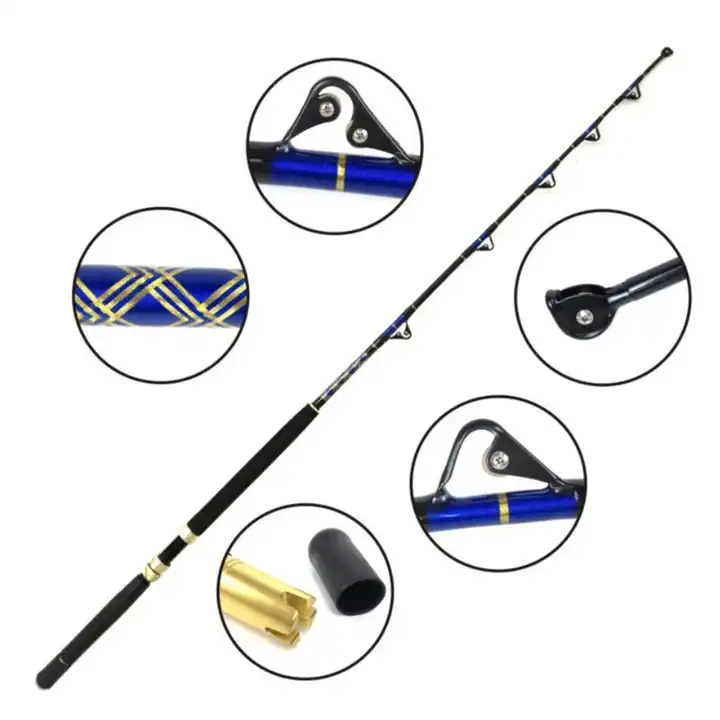
Introduction: How to Choose the Right Jigging Reel
Choosing the right reel can make a major difference when you are jigging. A jigging reel is designed to handle repeated vertical retrieves, heavy jigs, and powerful fish. Unlike a general-purpose fishing reel, a dedicated jigging fishing reel needs enough strength, drag power, and line capacity to perform reliably in demanding conditions.
However, finding the best jigging reel is not simply about choosing the reel with the highest drag or fastest gear ratio. Different jigging techniques require different reel features. Slow-pitch jigging, speed jigging, and deep-sea jigging all place different demands on your tackle.
When comparing reels, pay close attention to several key specifications. Gear ratio affects how quickly you retrieve line and how the reel feels during each jigging cycle. Drag power determines how effectively you can control strong fish. Line capacity becomes especially important when fishing deep water or targeting fish that make long runs.
You should also consider reel construction and weight. A rigid aluminum body can provide the strength needed for heavy-duty fishing, while a lighter design can reduce fatigue during long sessions. Bearings contribute to smooth operation, while a well-designed handle and power knob can give you better leverage when fighting powerful fish. For saltwater anglers, corrosion resistance is another essential factor because salt, moisture, and repeated exposure can quickly damage poorly protected components.
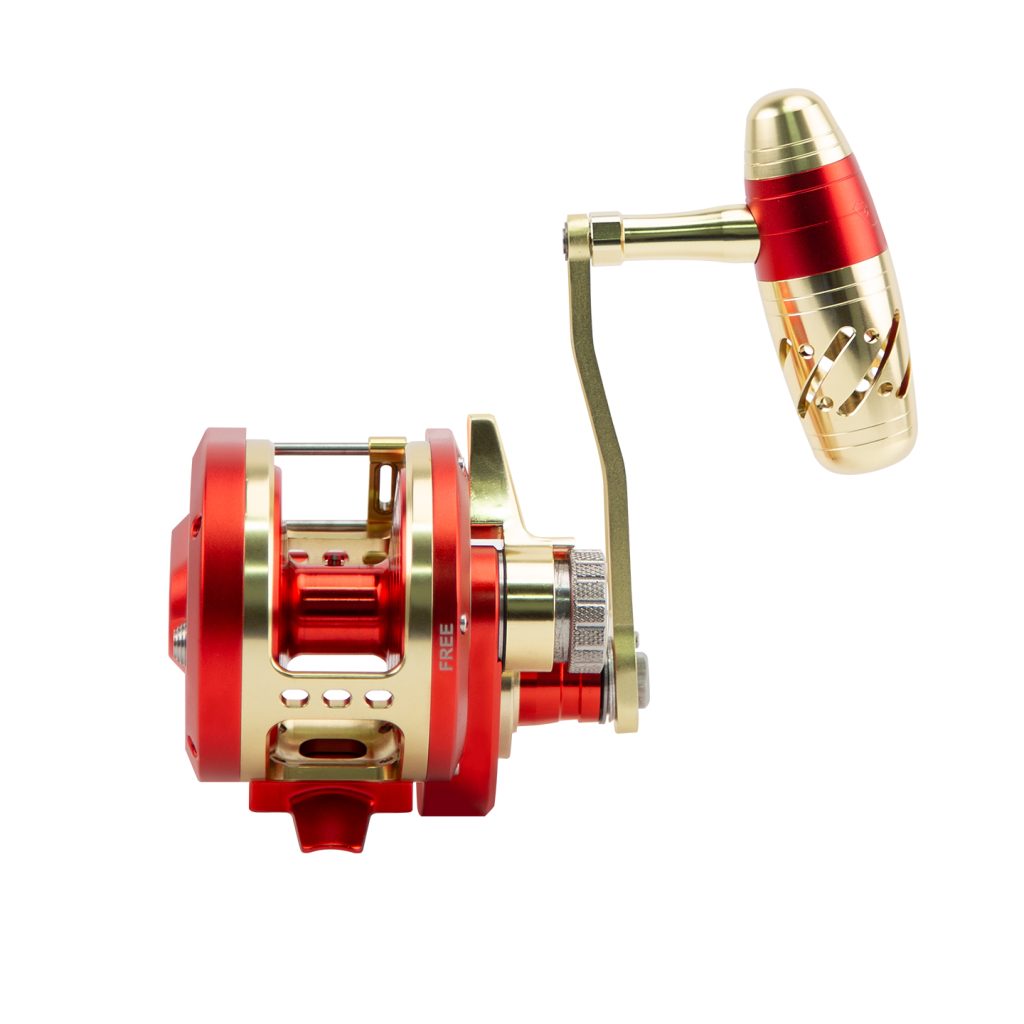
The right reel ultimately depends on your fishing style, target species, fishing depth, line setup, and saltwater conditions. Before buying, consider how and where you plan to fish rather than focusing on a single specification.
This jigging reel buying guide will break down the most important features and help you choose a reel that matches your fishing needs. By understanding gear ratio, drag, line capacity, construction, weight, bearings, handle design, and corrosion resistance, you can make a more confident buying decision and build a jigging setup that performs when it matters most.
2. What Is a Jigging Reel?
A jigging reel is a fishing reel designed for vertical jigging, especially when anglers target fish in deep water or strong saltwater environments. It must handle repeated retrieves, heavy metal jigs, and hard runs from powerful fish. Compared with a general-purpose reel, a dedicated jigging reel usually focuses more on drag strength, gear durability, line capacity, and compact power.
2.1 What Is Jigging Fishing?
Jigging is an active fishing technique that uses a weighted lure, often called a metal jig, to attract fish at different depths. Instead of casting and slowly retrieving the lure, anglers usually drop the jig vertically from a boat and work it up and down through the water column.
The jigging action can imitate an injured or fleeing baitfish. Anglers adjust the retrieve speed, rod movement, and jigging rhythm based on the target species and water conditions.
There are several common types of jigging:
- Slow-pitch jigging: Uses controlled, slower movements to make the jig flutter and fall naturally. It works well for anglers targeting species that respond to subtle presentations.
- Speed jigging: Uses fast, aggressive retrieves to trigger reaction strikes from active predatory fish. It often requires a high-speed reel with strong drag and efficient line pickup.
- Conventional vertical jigging: Covers a broader range of vertical jigging techniques. Anglers can vary the speed, depth, and rod movement according to the fish and conditions.
Because each technique creates different demands, your reel choice should match the way you plan to jig.
2.2 What Makes a Jigging Reel Different?
So, what is a jigging reel and how does it differ from a standard fishing reel?
A dedicated jigging reel is built to handle the repeated load and fast movements associated with vertical jigging. It typically combines high drag capacity, strong gearing, sufficient line capacity, and compact construction.
First, drag capacity matters when you hook powerful fish in open water. A strong, smooth drag helps you apply consistent pressure while reducing the risk of line failure.
Second, strong gears help the reel handle heavy jigs and high loads during the retrieve. Durable internal components can also provide more reliable performance during long offshore sessions.
Line capacity is another important factor. Deep-water jigging may require hundreds of meters of braided line. You need enough capacity to reach the target depth while leaving additional line for fish that make long runs.
Finally, many jigging reels use a compact and rigid body. A compact design can improve balance and reduce fatigue, while a rigid frame helps maintain gear alignment under heavy loads. These features make a jigging reel more suitable for demanding saltwater applications than many standard reels.
2.3 When Should You Use a Jigging Reel?
A jigging reel is particularly useful when your fishing involves heavy lures, deep water, strong fish, or repeated vertical retrieves. Common applications include:
- Offshore saltwater fishing: A saltwater jigging reel provides the strength and corrosion resistance needed for demanding marine environments.
- Deep-water jigging: High line capacity and strong drag become important when fishing hundreds of meters below the surface.
- Slow-pitch jigging: A lightweight, smooth reel with precise drag control can complement slower jig movements.
- Speed jigging: A high-speed gear ratio and powerful handle can help anglers quickly retrieve heavy jigs.
- Big-game jigging: Large, powerful fish require strong gears, high drag capacity, and durable construction.
The best jigging reel depends on your technique and target fish. A compact reel may work well for light or slow-pitch jigging, while a heavy-duty model may suit deep-water or big-game applications better.
If you are wondering what is a jigging reel used for, the simple answer is this: it is built for anglers who need controlled vertical lure presentation, strong retrieve power, and reliable performance under heavy loads. Choosing the right model starts with understanding your fishing style, target species, and typical fishing depth.
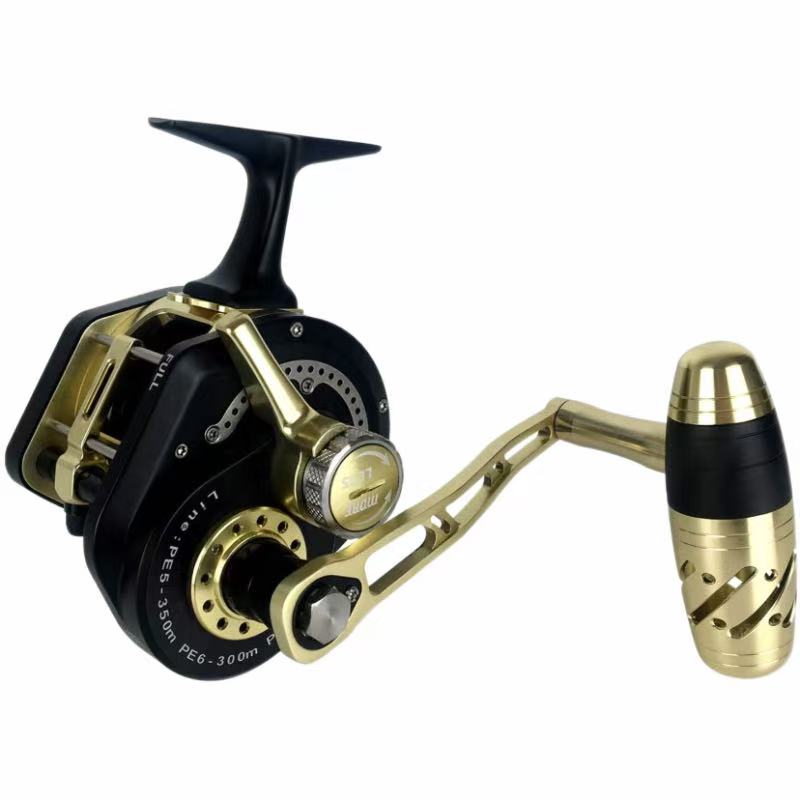
3. Key Features to Look for in a Jigging Reel
Choosing a jigging reel requires more than checking its size or price. The right reel needs to match your fishing technique, target species, line setup, and fishing environment. When comparing models, pay close attention to drag power, gear ratio, line capacity, construction, weight, bearings, handle design, and corrosion resistance.
3.1 Drag Power
Drag power is one of the most important features of a jigging reel. Powerful saltwater species can make sudden runs and put heavy pressure on your line and tackle. A strong, smooth drag helps you control the fish without putting excessive stress on the line.
However, maximum drag does not tell the whole story. A reel may advertise a very high maximum drag, but you may not need to fish at that setting. Practical fishing drag refers to the drag pressure you can use consistently while maintaining smooth operation and reliable control.
When choosing the best drag for jigging, consider four factors:
- Target species: Larger and more powerful fish generally require more drag.
- Line strength: Your drag should work within the safe range of your braided line and leader.
- Jig weight: Heavy jigs can place greater loads on the reel during repeated retrieves.
- Fishing depth: Deep-water fishing often requires stronger tackle because fish have more room to run.
For example, a reel designed for tuna or amberjack needs a different drag system from one intended for smaller reef species. Instead of focusing only on the highest number, look for a high drag jigging reel with smooth and consistent performance throughout the drag range.
3.2 Gear Ratio
The gear ratio tells you how many times the spool or rotor turns for each full turn of the handle. A higher ratio generally provides faster line retrieval, while a lower ratio offers more mechanical advantage and can make it easier to crank under heavy loads.
A jigging reel gear ratio should match your technique.
High-speed gear ratios work well for speed jigging. They allow you to retrieve line quickly and bring a jig back to the boat faster. Fast line pickup also helps when a fish swims toward you after striking.
Lower-speed ratios can suit slow-pitch and heavy-duty jigging. They provide more cranking power and better control when working heavy jigs or fighting strong fish.
For deep-water jigging, retrieve speed also matters. You may need to recover hundreds of meters of line after each drop. A faster ratio can save time, but you should still consider the reel’s actual line recovery per turn and the load placed on the handle.
There is no universal best gear ratio for jigging. Choose a high speed jigging reel when fast retrieves are central to your technique. Choose a lower ratio when power and controlled cranking matter more.
3.3 Line Capacity
Jigging reel line capacity becomes especially important when fishing deep water. Your reel needs enough braided line to reach the target depth and still have extra line available if a fish makes a long run.
Many jigging anglers use PE-rated braided line. PE numbers describe line diameter and help anglers compare different braid sizes. However, actual breaking strength and diameter can vary between manufacturers, so always check the manufacturer’s specifications.
When selecting a PE line jigging reel, consider:
- Fishing depth: Deeper water requires more line.
- Line diameter: Thicker braid takes up more spool space.
- Target species: Powerful fish may require heavier braid.
- Current and drift: Strong current can increase the amount of line you need to reach and control the jig at the desired depth.
For example, suppose you plan to fish around 200 meters deep. A reel with enough capacity for PE4 may work well for moderate species and conditions. If you target stronger fish or fish deeper, PE5 can provide greater strength, while PE6 may suit heavier offshore applications. The exact capacity depends on the reel spool and the actual diameter of the selected line.
For a deep sea jigging reel, always leave a reasonable amount of spare capacity rather than filling the spool only to the depth you normally fish.
3.4 Reel Construction and Materials
A jigging reel needs a rigid structure because heavy loads can place significant stress on the frame and internal gears. Common materials include aluminum alloy, stainless steel, and carbon or composite materials.
Aluminum alloy offers an excellent balance of rigidity and weight. Many heavy-duty reels use aluminum frames or components because they can resist flexing under load. An aluminum jigging reel can be a strong choice for offshore applications.
Stainless steel provides excellent strength and wear resistance. Manufacturers often use it for gears, shafts, bearings, and other high-load components.
Carbon and composite materials can reduce weight while maintaining useful strength. They can work well when minimizing fatigue is a priority, although the overall reel design matters more than any single material.
A rigid frame helps keep the gears properly aligned when you apply heavy pressure. This can improve mechanical efficiency and reduce unnecessary stress on internal components.
The goal is to find the right balance between strength and weight. A heavy metal jigging reel may provide excellent durability, but a well-designed lightweight reel can be more comfortable during long sessions.
3.5 Weight and Balance
Reel weight can have a major impact during long jigging sessions. Anglers may repeat the same lift, drop, and retrieve movement hundreds of times. An unnecessarily heavy setup can increase hand, wrist, and arm fatigue.
However, lighter is not automatically better.
A lightweight jigging reel can reduce fatigue and make active techniques more comfortable. But the reel still needs enough structural strength for the target fish and fishing conditions.
Balance matters just as much as total weight. A reel should work well with your rod and create a comfortable overall setup. A poorly balanced combination can feel heavier than its actual specifications suggest.
When comparing reels, consider the complete rod-and-reel setup rather than judging the reel by weight alone.
3.6 Bearings and Retrieve Smoothness
Ball bearings support rotating components and help create a smoother retrieve. Quality bearings can improve handle rotation, spool movement, and the overall feel of the reel.
However, bearing count should not determine your purchase. A reel with more bearings is not automatically smoother or more durable than one with fewer, higher-quality bearings.
For a reliable jigging reel, consider:
- Bearing quality
- Bearing placement
- Sealing and protection
- Gear precision
- Overall reel construction
Saltwater anglers should pay particular attention to bearing protection. Salt and moisture can cause corrosion and reduce smoothness over time.
A smooth jigging reel should maintain consistent rotation under load, not just feel smooth when you turn the handle with no line or fish attached.
3.7 Handle and Power Knob Design
The handle is your main connection to the reel’s gearing system. Its length and knob shape can directly affect cranking power and comfort.
A longer handle can provide greater leverage when fighting strong fish or retrieving heavy jigs. An aluminum handle can also offer a good combination of strength and low weight.
An oversized power knob gives you a larger contact area for your hand. This can make it easier to maintain control during long fights. Ergonomic grips can further reduce pressure on your fingers and palm.
When choosing a jigging reel, look for a handle that feels secure and comfortable with the type of fishing you do. For big-game jigging, a strong handle and large power knob can provide valuable leverage when a powerful fish puts the reel under heavy load.
3.8 Corrosion Resistance
Saltwater creates demanding conditions for fishing reels. Salt, moisture, and repeated exposure can accelerate corrosion on metal components. That makes corrosion resistance especially important when choosing a saltwater jigging reel.
Look for features such as:
- Corrosion-resistant metals: Materials such as treated aluminum and stainless steel can improve durability in marine environments.
- Sealed bearings: Protection helps reduce the entry of salt and moisture into sensitive components.
- Protective coatings: Surface treatments can provide another layer of protection against corrosion.
- Post-fishing maintenance: Rinse and dry the reel after saltwater use, then follow the manufacturer’s lubrication and maintenance recommendations.
Even the most corrosion-resistant fishing reel still needs proper care. Regular maintenance helps protect bearings, gears, and other internal components.
For anglers who regularly fish offshore, corrosion resistance should be a core buying criterion, not an optional feature. A durable corrosion resistant fishing reel can maintain its performance longer when exposed to harsh marine conditions.
Overall, the ideal offshore jigging reel should combine strong drag performance, appropriate gearing, sufficient line capacity, rigid construction, manageable weight, quality bearings, a powerful handle, and reliable corrosion protection. Evaluating these features together will help you choose a reel that matches your fishing style instead of simply choosing the model with the biggest specifications.

4. How to Choose a Jigging Reel for Different Fishing Styles
Not every jigging reel suits every fishing technique. Slow-pitch jigging, speed jigging, deep-sea jigging, and big-game jigging place different demands on your tackle. The right reel should match your retrieve style, target species, fishing depth, and expected load.
Before buying, think about how you normally fish. A lightweight reel with precise control may suit slow-pitch jigging, while a powerful offshore reel may work better when targeting large fish in deep water.
4.1 Slow-Pitch Jigging Reel
Slow-pitch jigging relies on controlled rod movements and the natural flutter of the jig. Anglers often spend long periods repeating these movements, so reel balance and smooth operation matter.
A good slow-pitch jigging reel should offer:
- Smooth drag: A consistent drag helps protect lighter lines and gives you better control during a fight.
- Controlled retrieve: Precise line pickup allows you to maintain a consistent jigging rhythm.
- Good line capacity: You need enough braid to reach your target depth and handle unexpected runs.
- Lightweight construction: A lighter reel can reduce fatigue during long sessions.
- Precise mechanical performance: Smooth gears and reliable components help maintain consistent operation throughout the retrieve.
For slow-pitch techniques, do not focus only on maximum drag or high-speed retrieval. Balance, smoothness, and control often matter more.
4.2 Speed Jigging Reel
Speed jigging uses fast, aggressive movements to trigger strikes from active predatory fish. The reel needs to recover line quickly while handling heavy loads.
When choosing a speed jigging reel, look for:
- High gear ratio: A higher ratio can provide faster line pickup.
- Fast retrieve: Quick recovery helps you bring the jig back to the boat efficiently.
- Powerful drag: Strong fish can make sudden runs after the strike, so reliable drag performance is essential.
- Strong gears: Heavy jigs and rapid retrieves can put significant stress on the drivetrain.
- Large handle knob: An oversized power knob gives you a secure grip and improves leverage during hard retrieves.
A high-speed jigging reel works especially well when your technique requires rapid jig movement and fast line recovery. However, retrieve speed should still match your target species and jig weight.
4.3 Deep-Sea Jigging Reel
Deep-sea jigging creates additional challenges. You may fish hundreds of meters below the surface, deal with strong currents, and target powerful species. Your reel therefore needs enough capacity, strength, and protection for the environment.
Key features include:
- Large line capacity: You need enough braided line to reach deep targets while keeping extra line available for long runs.
- High drag: Strong drag performance helps control fish that make powerful runs.
- Strong frame: A rigid frame helps maintain gear alignment when the reel operates under heavy load.
- Corrosion resistance: Saltwater exposure can damage unprotected metal and internal components.
- Reliable gearing: Strong, precise gears help maintain cranking power during deep-water retrieves.
When choosing a deep sea jigging reel, consider the entire setup. Match its line capacity and drag to your target depth, braid strength, jig weight, and target species.
4.4 Big-Game Jigging Reel
Big-game jigging demands the highest level of tackle strength. Large tuna, amberjack, giant trevally, and other powerful species can generate extreme loads during a fight. A suitable reel needs more than a high drag rating. It must maintain reliable performance under pressure.
A big-game jigging reel should provide:
- High maximum drag: Strong drag gives you the pressure needed to control powerful fish.
- Heavy-duty construction: A rigid frame and durable components help withstand repeated high loads.
- Strong handle: A powerful handle and oversized knob provide better leverage when cranking against resistance.
- Large line capacity: Large fish may make long runs, so sufficient line capacity is essential.
- Durable internal components: Strong gears, shafts, and bearings can improve reliability during demanding fights.
For big-game applications, avoid choosing a reel based on one specification alone. A high maximum drag means little if the frame, gears, handle, or bearings cannot handle the same load.
Ultimately, the best jigging reel depends on your fishing style. Slow-pitch anglers should prioritize smoothness and control. Speed jigging anglers need fast retrieval and strong gearing. Deep-sea anglers should focus on line capacity and corrosion resistance, while big-game anglers need maximum strength and durability. Matching the reel to your specific technique will give you better control, less fatigue, and more reliable performance on the water.
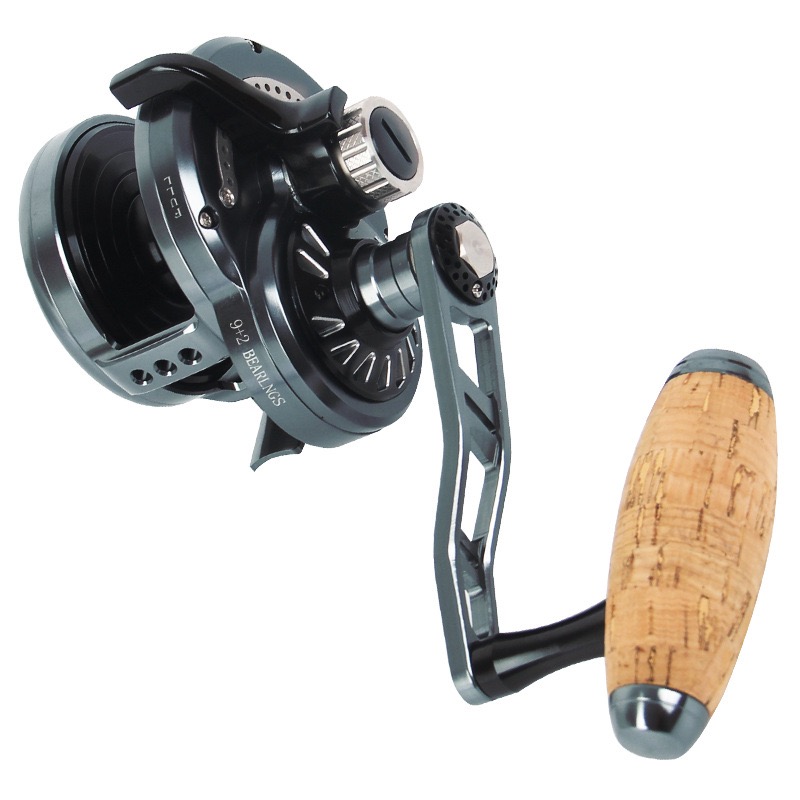
5. How to Match a Jigging Reel to Your Target Fish
Choosing a jigging reel based only on its size can lead to the wrong setup. The better approach is to consider the power of your target fish, its habitat, and the conditions where you plan to fish. A medium-sized fish in deep water may require more line capacity than a larger fish in shallow water. Likewise, fish that live around reefs or wrecks can demand more drag and stronger tackle because they can quickly dive into structure.
Your reel should give you enough power to control the fish without adding unnecessary weight to your setup. Consider the following examples:
| Target Fish | Recommended Reel Features |
| Snapper | Medium drag, moderate line capacity |
| Grouper | Strong drag, rigid frame, high line capacity |
| Amberjack | High drag, strong gears, powerful handle |
| Tuna | Heavy-duty construction, high drag, large line capacity |
| Giant Trevally | Powerful drag, corrosion resistance, strong gearing |
Match Reel Power to Fish Behavior
Different fish fight in different ways. Snapper, for example, may not require the same heavy-duty reel as tuna. A reel with moderate drag and sufficient line capacity can provide a good balance of control and comfort.
Grouper create a different challenge. They often live around reefs, rocks, and other structure. Once hooked, they may try to return to cover. A strong drag and rigid frame can help you turn the fish before it reaches the structure.
Amberjack are powerful fighters that can put heavy pressure on your tackle. A high-drag reel with strong gears and a powerful handle gives you better leverage during the fight.
Tuna can make long, powerful runs. They require a reel with high drag, large line capacity, and heavy-duty construction. The reel must also maintain smooth performance while the fish takes line.
Giant trevally often combine power with aggressive runs around structure. A powerful drag, strong gearing, and good corrosion resistance can help you handle these demanding saltwater conditions.
Consider Depth and Underwater Structure
Fishing depth directly affects your reel requirements. In shallow water, you may not need hundreds of meters of line. Deep-water jigging, however, requires greater capacity because you need enough braid to reach the bottom and still have plenty of line available for a long run.
Depth also affects line angle. Strong currents can push your line away from the boat, which may require additional line capacity to keep the jig near the desired depth.
Underwater structure matters just as much. Fish that live around reefs, wrecks, rocks, or other cover can reach safety quickly after a strike. In these situations, higher drag and stronger gearing can give you more control during the first few seconds of the fight.
For example, a reel for deep-water grouper fishing may need more line capacity and stronger drag than a reel used for shallow-water snapper. The target fish alone does not determine the ideal reel. You should consider the fish’s size, fighting behavior, depth, current, and surrounding structure.
Choose the Reel as Part of the Complete Setup
Your jigging reel should also match your rod, braided line, leader, and jig weight. A powerful reel paired with light line may not allow you to use its full drag potential safely. On the other hand, an oversized reel can add unnecessary weight when targeting smaller fish.
The goal is to build a balanced setup that provides enough drag power, line capacity, gear strength, and corrosion resistance for the conditions you expect to encounter.
When choosing the best jigging reel, start with the fish and its environment. Then select the reel size and specifications that give you enough power without sacrificing comfort and control.
6. How to Match a Jigging Reel With Your Rod and Line
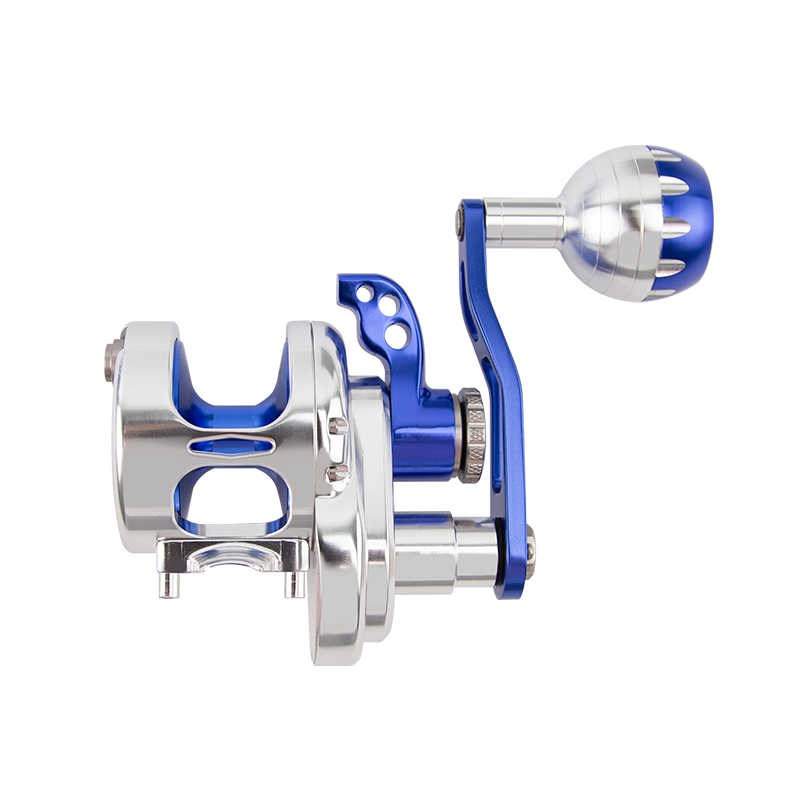
A jigging reel should work as part of a complete tackle system. Even a high-quality reel may perform poorly if you pair it with the wrong rod, line, or jig. Before buying, consider how these components work together. A balanced setup can improve lure control, reduce fatigue, and give you better control when fighting fish.
6.1 Match the Reel With the Rod
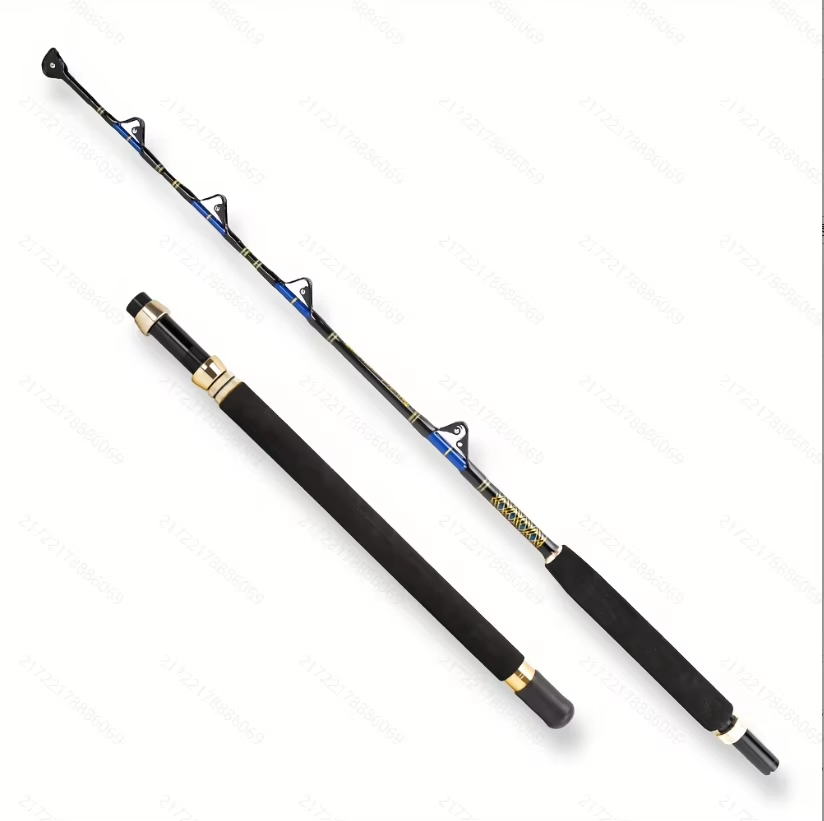
Start by matching the reel size and power with the rod. A light jigging rod usually works best with a compact reel. A heavy-duty offshore rod needs a reel with enough drag, line capacity, and mechanical strength to match its power.
The rod’s line rating and recommended lure weight can help guide your choice. For example, a rod designed for heavy offshore jigging generally needs a reel with a stronger drag system and larger line capacity than a light slow-pitch rod.
Balance also matters. A reel that is too heavy can make a light rod feel tip-heavy or cumbersome. A very small reel on a powerful rod may create the opposite problem and leave the setup underpowered.
Look at the complete rod-and-reel combination rather than choosing each component separately. A well-balanced setup should feel comfortable in your hand and allow you to work the jig repeatedly without excessive wrist or arm fatigue.
6.2 Match the Reel With the Fishing Line
Your fishing line is another major factor when choosing a jigging reel. Most offshore jigging setups use braided line because braid offers high strength with relatively small diameter.
Many braided lines use PE ratings, such as PE3, PE4, PE5, and PE6. The PE rating mainly indicates the approximate diameter class of the braid. It does not guarantee one specific breaking strength across all brands. Always check the manufacturer’s specifications before matching your line to a reel.
Line strength and diameter both affect reel selection. Thicker braid takes up more space on the spool, while heavier braid provides greater resistance to powerful fish and abrasion. You need to balance these factors according to your target species and fishing environment.
For example, a reel designed for PE4 may offer a different capacity for PE5 or PE6. As the line gets thicker, the amount of line that fits on the spool usually decreases.
Your jigging reel line capacity should also accommodate your planned fishing depth. If you regularly fish at 200 meters, choose enough capacity to reach that depth while leaving additional line for current, drift, and fish runs. Deep-water anglers should avoid filling the spool only to the exact depth they normally fish.
6.3 Match the Reel With Jig Weight
Jig weight also affects your tackle setup, but you should not choose a reel based on jig weight alone. The rod’s recommended lure range, fishing depth, current, line setup, and jigging technique all influence the appropriate combination.
Heavier jigs generally create greater loads during the retrieve. Deep water can increase the challenge because current and line angle may require heavier jigs to maintain contact with the target zone. In these situations, your rod and reel need enough strength to handle the combined load.
For example, a light slow-pitch setup may use a compact reel and a rod designed for relatively light jigs. A deep-water setup may require a stronger rod, heavier braid, and a reel with greater line capacity and drag performance.
The key is to match the entire system, not just the reel to the jig. Check the rod manufacturer’s recommended jig range and line rating, then make sure the reel can support the line capacity, drag, and retrieve requirements of that setup.
A properly matched rod, reel, line, and jig will give you better control and a more efficient jigging presentation. It can also reduce unnecessary strain on your equipment and make long days on the water more comfortable.
7. Jigging Reel Size Guide
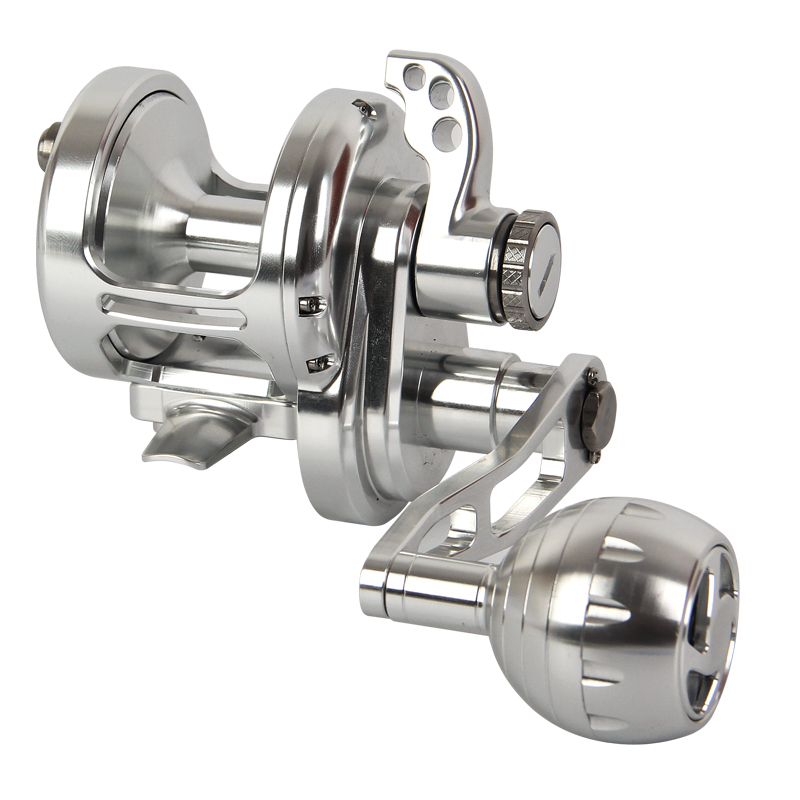
Reel size gives you a general idea of a reel’s line capacity, physical dimensions, drag capability, and overall power. However, reel sizes are not standardized across all manufacturers. A “size 5000” from one brand may not match the capacity or weight of a size 5000 from another.
For this reason, you should not choose a jigging reel based on the size number alone. Check the actual specifications, especially line capacity, maximum drag, weight, gear ratio, and recommended line range.
Compact vs. Large-Capacity Jigging Reels
A compact jigging reel usually offers a smaller body and lower weight. It can provide better comfort during active techniques such as light or slow-pitch jigging. However, its smaller spool may limit line capacity and maximum power.
A large-capacity reel typically holds more line and provides greater capacity for heavier braid. These reels work well for deep water and powerful fish. They can also handle longer runs with more confidence. The trade-off is usually greater weight and size.
The right choice depends on your fishing conditions rather than simply choosing the largest reel available.
How to Choose the Right Jigging Reel Size
1. Consider Line Capacity
Line capacity should be one of your first considerations. If you fish shallow water with relatively light braid, you may not need a large-capacity spool.
For deep-water jigging, choose a reel that can hold enough braid to reach the bottom while leaving additional line for current, drift, and fish runs. Always check the manufacturer’s stated capacity for the exact PE line you plan to use.
2. Consider Your Target Fish
Your target species also affects reel size. Smaller reef fish may require less drag and line capacity, allowing you to use a more compact reel.
Powerful species such as amberjack, tuna, and giant trevally can require more drag, stronger gearing, and greater line capacity. A larger, heavy-duty reel can provide the additional power and capacity needed for these fish.
3. Consider Water Depth
Fishing depth has a direct impact on spool capacity. The deeper you fish, the more line you need to reach the target zone.
For example, a compact reel may work well for relatively shallow jigging. A deep sea jigging reel should generally provide much greater line capacity, especially when you fish several hundred meters below the surface.
Strong current can also increase your line requirements. Your line may form a larger angle away from the boat, forcing you to let out more braid to keep the jig near the desired depth.
4. Consider Your Jigging Technique
Your jigging style also influences the ideal reel size.
Slow-pitch jigging often benefits from a compact and lightweight reel. A lighter setup can make repeated rod movements more comfortable and help reduce fatigue.
Speed jigging may require a reel with faster line retrieval, strong gearing, and enough drag for aggressive fish. The ideal size depends on the jig weight and target species.
Deep-water and big-game jigging generally favor larger reels with greater line capacity, stronger drag, and more durable components.
Small vs. Medium vs. Heavy-Duty Jigging Reels
| Reel Category | Typical Applications | Key Features |
| Small / Compact | Light jigging, shallow water, smaller species | Lightweight, compact body, moderate line capacity, comfortable for long sessions |
| Medium | General saltwater jigging, moderate depths, medium-sized fish | Balanced weight, good line capacity, stronger drag, versatile performance |
| Heavy-Duty | Deep-sea jigging, big-game fishing, large species | Large line capacity, high drag, strong frame, powerful gears, durable construction |
These categories provide a general framework rather than fixed size standards. Always compare the actual specifications before purchasing.
For example, one manufacturer’s medium reel may have similar line capacity to another manufacturer’s large reel. Looking at PE line capacity and maximum drag gives you a more useful comparison than the size label alone.
What Is the Best Jigging Reel Size?
There is no single best size for every angler. The right size depends on your line capacity, target fish, water depth, and jigging technique.
Choose a compact reel when comfort and lightweight handling matter most. Choose a medium reel when you want a versatile setup for different saltwater applications. Move to a heavy-duty reel when you regularly fish deep water or target powerful species that require greater drag and line capacity.
Use this jigging reel size guide as a starting point, then compare the manufacturer’s actual specifications with your fishing conditions. A well-matched reel will give you enough power and capacity without adding unnecessary weight to your setup.
8. Common Mistakes When Buying a Jigging Reel
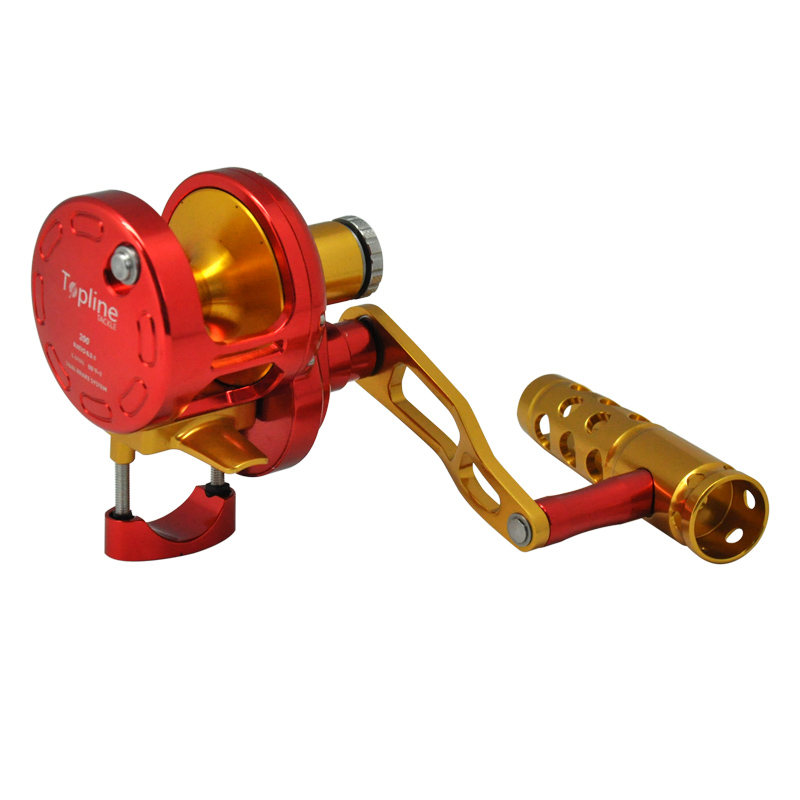
Buying a jigging reel can feel overwhelming when manufacturers highlight drag ratings, gear ratios, bearing counts, and other specifications. These numbers can help you compare models, but they do not tell the whole story.
A good jigging reel should match your fishing style, target species, line setup, and environment. Avoid these common mistakes to make a more informed choice.
Mistake 1: Choosing Based Only on Maximum Drag
A high maximum drag rating can look impressive, but it does not automatically mean a reel will perform better. Smooth and consistent drag performance matters more than a large headline number.
Your drag should start smoothly, maintain steady pressure, and remain predictable during a fight. Sudden changes in drag pressure can increase the risk of line failure or lost fish.
Also, you may rarely need to fish at the reel’s maximum drag setting. Consider your target species, line strength, leader, and fishing conditions instead of choosing the reel with the highest advertised number.
When comparing jigging reel drag, look at both maximum pressure and how smoothly the system operates across its usable range.
Mistake 2: Ignoring Line Capacity
Insufficient line capacity can create serious problems offshore. You may reach the target depth but have little line left when a strong fish makes a long run.
This becomes even more important when fishing deep water. Current and drift can force you to let out more line to keep the jig near the target zone.
Before buying, check the reel’s capacity for the exact PE line you plan to use. A reel may hold a large amount of thin braid but much less thicker braid.
Choose enough capacity to cover your normal fishing depth while leaving additional line for unexpected runs and changing conditions.
Mistake 3: Choosing the Highest Gear Ratio for Everything
A high gear ratio does not make a reel better for every type of jigging. It mainly increases line retrieval speed, which can be useful for speed jigging and fast presentations.
Slow-pitch jigging often benefits from more controlled retrieval and strong mechanical advantage. Heavy jigs and powerful fish can also make a lower or moderate gear ratio more comfortable to crank.
When choosing a jigging reel gear ratio, consider your technique first. Ask whether you need fast line pickup, more cranking power, or a balance between the two.
The best gear ratio for jigging depends on how you fish, not simply on which number is highest.
Mistake 4: Focusing Only on Bearing Count
More bearings do not automatically mean a smoother or better reel. Manufacturers can use different bearing designs, materials, and sealing systems, so raw bearing count provides limited information.
Instead, consider bearing quality, placement, protection, and overall gear design. A reel with fewer high-quality bearings can outperform a reel with more low-quality components.
For saltwater jigging, sealing also matters. Good protection can help keep salt and moisture away from sensitive components and maintain smooth operation over time.
Mistake 5: Ignoring Corrosion Resistance
Saltwater can quickly expose weaknesses in reel construction. Salt, moisture, and repeated exposure can cause corrosion on metal components and damage internal parts.
If you regularly fish offshore, choose a reel with appropriate corrosion-resistant materials, protected bearings, and durable surface treatments.
Maintenance still plays an important role. Rinse the reel properly after saltwater use, dry it thoroughly, and follow the manufacturer’s maintenance recommendations.
A reel designed for freshwater use may not provide the same protection as a dedicated saltwater jigging reel. Match the reel to your actual fishing environment.
Mistake 6: Buying a Reel That Is Too Heavy
A powerful reel can be useful, but extra weight can become a disadvantage during long jigging sessions. Repeatedly lifting and retrieving a jig can place considerable strain on your wrist, arm, and shoulder.
This is especially noticeable with active techniques such as slow-pitch and speed jigging, where anglers make repeated movements throughout the day.
A lightweight jigging reel can reduce fatigue and improve comfort. However, do not sacrifice the strength and line capacity you need simply to save a few grams.
The goal is to find the right balance between weight, power, capacity, and durability.
Make Your Buying Decision Based on the Complete Setup
The best reel is not necessarily the one with the highest drag, fastest gear ratio, most bearings, or lowest weight. Look at how all the specifications work together.
Before purchasing, consider:
- Your target species
- Fishing depth
- Jigging technique
- Line type and PE rating
- Required line capacity
- Drag requirements
- Reel weight
- Saltwater exposure
- Rod compatibility
By avoiding these common mistakes, you can choose a jigging reel that provides the right combination of power, control, capacity, and durability for your fishing conditions.
9. How Much Does a Good Jigging Reel Cost?
The price of a jigging reel can vary widely. You can find an affordable jigging reel for casual fishing, while high-end models can cost several times more. However, price alone does not determine whether a reel is right for your needs.
A good jigging reel should provide the features you actually need for your fishing style. Before looking at the price tag, consider the reel’s drag system, gear strength, line capacity, construction, weight, bearings, and corrosion resistance.
What Affects Jigging Reel Price?
Several factors contribute to the cost of a jigging reel:
- Materials: Aluminum alloy frames and high-quality metal components can increase manufacturing costs while providing greater rigidity and durability.
- Drag system: A powerful, smooth, and precisely engineered drag system can add to the price.
- Gearing: Strong and precisely machined gears usually cost more than basic components.
- Bearings: High-quality, corrosion-resistant bearings can improve smoothness and durability.
- Line capacity: Larger spools and stronger components can increase production costs.
- Corrosion protection: Saltwater-specific coatings, seals, and corrosion-resistant materials can raise the price.
- Manufacturing quality: More precise machining, tighter tolerances, and better quality control can contribute to a higher retail price.
The best choice depends on how often you fish and how demanding your fishing conditions are.
Budget Jigging Reels
A budget jigging reel can be a practical choice for beginners, occasional anglers, and those who fish in relatively moderate conditions.
A good best budget jigging reel should still offer the basic features needed for your target application. Look for adequate drag, sufficient line capacity, reliable gearing, and reasonable corrosion protection.
Budget models may use simpler materials or have fewer advanced features. That does not automatically make them unsuitable. If you mainly target smaller species or fish at moderate depths, a lower-priced reel may provide everything you need.
The key is to avoid choosing a budget reel solely because it has the lowest price. Check its specifications and make sure they match your fishing setup.
Mid-Range Jigging Reels
Mid-range reels often offer a strong balance between price, performance, and durability. They can suit anglers who fish regularly and want more reliable performance without paying for every premium feature.
You may find improvements in:
- Drag smoothness
- Gear durability
- Frame rigidity
- Bearing quality
- Line capacity
- Corrosion resistance
- Handle design
For many saltwater anglers, this category can provide excellent value. A well-designed mid-range reel may handle regular offshore jigging without the higher cost of a premium model.
Premium Jigging Reels
A premium jigging reel typically focuses on advanced materials, precise manufacturing, powerful drag systems, durable gearing, and long-term reliability.
These reels make more sense when you regularly face demanding conditions. For example, anglers who target large tuna, amberjack, or other powerful offshore species may benefit from stronger components and more refined drag performance.
Premium reels can also provide better consistency under heavy loads and greater attention to details such as sealing, machining, weight distribution, and corrosion protection.
However, premium does not always mean better for every angler. If you rarely fish offshore or target smaller species, you may not use enough of those advanced features to justify the additional cost.
When Does Paying More Make Sense?
Spending more on a jigging reel makes sense when the additional features directly improve your fishing experience or tackle performance.
Consider upgrading when:
- You regularly target powerful fish.
- You fish deep water or offshore.
- You need greater line capacity.
- You require higher and smoother drag performance.
- You frequently fish in harsh saltwater conditions.
- You spend long hours jigging and want better weight balance.
- Your fishing style places heavy loads on the gears and handle.
- You want greater durability for frequent use.
On the other hand, you do not need the most expensive reel simply because it has the highest specifications.
Choose Specifications, Not Just Price
The best jigging reel is the one that matches your actual fishing requirements. A $500 reel may offer features that a casual angler never needs, while a well-designed $150 reel may perform perfectly for moderate applications.
Start by identifying your target species, fishing depth, jigging technique, line size, and saltwater conditions. Then compare reels based on the specifications that matter most.
For example, a slow-pitch angler may prioritize low weight, smooth drag, and precise operation. A deep-sea angler may care more about line capacity, drag power, and corrosion resistance. A big-game angler may need heavy-duty gears, a rigid frame, and maximum drag.
In short, buy the reel that fits your fishing style, not simply the most expensive model you can afford. The right balance of price, performance, and durability will give you better value and a more effective jigging setup.
10. How to Maintain a Saltwater Jigging Reel
Saltwater fishing exposes your reel to salt, moisture, sand, and other contaminants. Without proper care, these elements can cause corrosion, reduce bearing performance, and damage internal components. Regular jigging reel maintenance helps keep your reel smooth and reliable for longer.
You do not need a complicated maintenance routine after every trip. A few simple steps can make a significant difference.
10.1 Rinse the Reel After Saltwater Fishing
The first step in saltwater reel maintenance is to remove salt and surface contaminants after every trip.
Use clean, fresh water to rinse the outside of the reel. A gentle flow works best. Avoid directing strong water into the drag system, bearings, handle connection, or other openings.
High-pressure water can push salt, sand, and moisture deeper into the reel. It may also force contaminants past seals that normally protect internal components.
10.2 Avoid Excessive High-Pressure Water
More water pressure does not mean better cleaning. A strong jet can drive salt and debris into areas that are difficult to access.
Instead, use a gentle stream or light spray to wash away salt from the reel’s exterior. Pay attention to the spool, handle, frame, and other exposed areas.
If you fish in sandy or muddy conditions, take extra care when rinsing. Remove visible debris before it can enter moving components.
10.3 Dry the Reel Completely
After rinsing, dry the reel thoroughly. Use a clean, soft cloth to remove surface moisture, then allow the reel to air-dry in a well-ventilated area.
Do not store a wet reel in a tackle box or enclosed bag. Trapped moisture can accelerate corrosion and create an environment where salt residue remains active.
Make sure the handle, spool, frame, and other exposed metal parts are dry before storage.
10.4 Check the Drag and Handle Components
Regularly inspect the drag system and handle for signs of wear or abnormal operation.
Turn the handle and check for unusual resistance, noise, or roughness. Make sure the handle remains secure and the power knob rotates smoothly.
Also check the drag before and after demanding fishing trips. If the drag feels inconsistent, sticky, or unusually rough, follow the manufacturer’s service recommendations.
Do not disassemble the drag system unless you understand the reel’s construction or have the appropriate service instructions.
10.5 Lubricate Moving Parts Correctly
Lubrication helps reduce friction and protect moving components, but more lubricant is not always better.
Use only lubricants recommended by the reel manufacturer. Apply them to the appropriate points and follow the recommended maintenance intervals.
Avoid mixing different types of grease or oil without checking compatibility. The wrong lubricant can affect seals, drag components, or other reel parts.
For detailed internal maintenance, follow the manufacturer’s service instructions or have the reel inspected by a qualified technician.
10.6 Inspect Bearings and Gears Regularly
Bearings and gears work under repeated loads during jigging. Regular inspection can help identify problems before they become serious.
Look for:
- Rough or noisy bearings
- Excessive handle play
- Unusual gear noise
- Stiff rotation
- Corrosion
- Visible wear on gears or shafts
If the reel feels rough after cleaning and lubrication, do not ignore the problem. A damaged bearing or worn gear can affect the entire drivetrain if you continue to use the reel under heavy loads.
10.7 Store the Reel in a Dry Environment
Proper storage is an important part of jigging reel maintenance. Keep the reel in a cool, dry environment away from direct moisture and excessive heat.
Avoid leaving the reel in a damp boat compartment or a sealed bag while it still contains moisture. Allow it to dry completely before putting it away.
For long-term storage, follow the manufacturer’s recommendations for drag settings, lubrication, and protection.
How to Clean a Jigging Reel: Quick Routine
If you are wondering how to clean a jigging reel, use this simple routine after saltwater fishing:
- Rinse the exterior gently with fresh water.
- Avoid high-pressure water around seals and openings.
- Wipe the reel with a clean, soft cloth.
- Let it dry completely in a ventilated area.
- Check the handle, drag, and other moving components.
- Lubricate approved points according to the manufacturer’s instructions.
- Inspect bearings and gears regularly.
- Store the reel in a clean, dry environment.
Regular maintenance takes only a small amount of time, but it can help protect your investment and maintain smooth performance. For anglers who frequently fish offshore, consistent saltwater reel maintenance is especially important because corrosion and salt buildup can affect even well-built reels over time.
11. Jigging Reel Buying Checklist
Choosing a jigging reel becomes easier when you know which specifications matter. Use this jigging reel buying checklist before you make a purchase. It can help you compare different models and avoid paying for features you do not need.
Jigging Reel Buying Checklist
Fishing style: Choose a reel that suits slow-pitch, speed, conventional, or deep-water jigging.
Target species: Match reel power and drag performance to the size and fighting ability of your target fish.
Maximum fishing depth: Make sure the reel holds enough line to reach your deepest planned fishing area.
Gear ratio: Choose a ratio that matches your preferred retrieve speed and jigging technique.
Drag power: Check both maximum drag and smooth, consistent performance under load.
Line capacity: Confirm the spool capacity for the exact PE line you plan to use.
Reel weight: Balance weight, strength, and comfort for long jigging sessions.
Construction material: Consider aluminum alloy, stainless steel, or composite materials based on your fishing demands.
Corrosion resistance: Look for suitable materials, coatings, seals, and other protection for saltwater use.
Bearing quality: Focus on bearing quality, protection, and smooth operation rather than bearing count alone.
Handle design: Check handle length, power knob size, grip comfort, and overall cranking leverage.
Rod and line compatibility: Make sure the reel matches your rod power, line rating, braid strength, and jigging setup.
Budget: Set a realistic budget and prioritize specifications that directly affect your fishing performance.
Quick Buying Tip
Before choosing the best jigging reel, compare your fishing conditions with the reel’s actual specifications. Start with your fishing style, target species, depth, and line setup. Then evaluate drag, gear ratio, capacity, construction, weight, and corrosion resistance.
A reel does not need the highest specifications in every category. It needs the right combination of features for your specific fishing needs. This approach can help you find a reliable reel while avoiding unnecessary cost and weight.
11. Jigging Reel Buying Checklist
Choosing a jigging reel becomes easier when you know which specifications matter. Use this jigging reel buying checklist before you make a purchase. It can help you compare different models and avoid paying for features you do not need.
Jigging Reel Buying Checklist
Fishing style: Choose a reel that suits slow-pitch, speed, conventional, or deep-water jigging.
Target species: Match reel power and drag performance to the size and fighting ability of your target fish.
Maximum fishing depth: Make sure the reel holds enough line to reach your deepest planned fishing area.
Gear ratio: Choose a ratio that matches your preferred retrieve speed and jigging technique.
Drag power: Check both maximum drag and smooth, consistent performance under load.
Line capacity: Confirm the spool capacity for the exact PE line you plan to use.
Reel weight: Balance weight, strength, and comfort for long jigging sessions.
Construction material: Consider aluminum alloy, stainless steel, or composite materials based on your fishing demands.
Corrosion resistance: Look for suitable materials, coatings, seals, and other protection for saltwater use.
Bearing quality: Focus on bearing quality, protection, and smooth operation rather than bearing count alone.
Handle design: Check handle length, power knob size, grip comfort, and overall cranking leverage.
Rod and line compatibility: Make sure the reel matches your rod power, line rating, braid strength, and jigging setup.
Budget: Set a realistic budget and prioritize specifications that directly affect your fishing performance.
Quick Buying Tip
Before choosing the best jigging reel, compare your fishing conditions with the reel’s actual specifications. Start with your fishing style, target species, depth, and line setup. Then evaluate drag, gear ratio, capacity, construction, weight, and corrosion resistance.
A reel does not need the highest specifications in every category. It needs the right combination of features for your specific fishing needs. This approach can help you find a reliable reel while avoiding unnecessary cost and weight.
11. Jigging Reel Buying Checklist
Choosing a jigging reel becomes easier when you know which specifications matter. Use this jigging reel buying checklist before you make a purchase. It can help you compare different models and avoid paying for features you do not need.
Jigging Reel Buying Checklist
Fishing style: Choose a reel that suits slow-pitch, speed, conventional, or deep-water jigging.
Target species: Match reel power and drag performance to the size and fighting ability of your target fish.
Maximum fishing depth: Make sure the reel holds enough line to reach your deepest planned fishing area.
Gear ratio: Choose a ratio that matches your preferred retrieve speed and jigging technique.
Drag power: Check both maximum drag and smooth, consistent performance under load.
Line capacity: Confirm the spool capacity for the exact PE line you plan to use.
Reel weight: Balance weight, strength, and comfort for long jigging sessions.
Construction material: Consider aluminum alloy, stainless steel, or composite materials based on your fishing demands.
Corrosion resistance: Look for suitable materials, coatings, seals, and other protection for saltwater use.
Bearing quality: Focus on bearing quality, protection, and smooth operation rather than bearing count alone.
Handle design: Check handle length, power knob size, grip comfort, and overall cranking leverage.
Rod and line compatibility: Make sure the reel matches your rod power, line rating, braid strength, and jigging setup.
Budget: Set a realistic budget and prioritize specifications that directly affect your fishing performance.
Quick Buying Tip
Before choosing the best jigging reel, compare your fishing conditions with the reel’s actual specifications. Start with your fishing style, target species, depth, and line setup. Then evaluate drag, gear ratio, capacity, construction, weight, and corrosion resistance.
A reel does not need the highest specifications in every category. It needs the right combination of features for your specific fishing needs. This approach can help you find a reliable reel while avoiding unnecessary cost and weight.
12. FAQ: Jigging Reel Buying Guide
Choosing a jigging reel can raise several questions, especially when you compare gear ratios, drag systems, reel sizes, and line capacities. The answers below cover some of the most common questions anglers ask before buying a jigging reel.
What Is the Best Gear Ratio for a Jigging Reel?
There is no single best gear ratio for jigging. The ideal ratio depends on your technique and target species.
For speed jigging, a higher gear ratio can help you retrieve line quickly and work the jig at a fast pace. It can also help you recover line faster when a fish swims toward the boat.
For slow-pitch jigging, a moderate or lower gear ratio may provide better control and cranking power. Slow-pitch anglers often prioritize precise lure movement and smooth operation over maximum retrieve speed.
For deep-water or heavy jigging, consider both gear ratio and actual line recovery per handle turn. A high ratio does not always mean faster practical retrieval when the reel carries heavy line or works under significant load.
How Much Drag Do I Need for Jigging?
The right drag depends on your target species, line strength, leader, jigging depth, and fishing conditions.
Powerful fish generally require more drag, especially when they live around reefs, wrecks, or other structure. However, you should not simply choose the reel with the highest maximum drag.
Your drag should provide smooth and consistent pressure within the practical range of your line and tackle. Make sure the rod, braid, leader, and reel can work together safely at the drag setting you plan to use.
What Size Reel Is Best for Jigging?
There is no universal reel size that works for every type of jigging. Line capacity and target fish often matter more than the size number printed on the reel.
Choose a compact reel for lighter jigging, smaller species, or situations where low weight matters most. A medium reel can provide a good balance for general saltwater jigging. For deep-sea or big-game applications, a larger reel may offer the additional line capacity, drag power, and strength you need.
Always compare the manufacturer’s actual specifications because reel size numbers can vary between brands.
Is a High-Speed Reel Better for Jigging?
A high-speed reel is useful when your technique requires fast line retrieval. It works particularly well for speed jigging, where anglers often move the jig aggressively and need to recover line quickly.
However, high speed is not always an advantage. Slow-pitch jigging and heavy-duty applications may benefit from more controlled retrieval and greater mechanical leverage.
When choosing a high speed jigging reel, consider gear ratio, actual line recovery, handle length, and cranking power rather than looking at the ratio alone.
What Is the Best Jigging Reel for Saltwater?
The best saltwater jigging reel should match your target fish and fishing environment while providing reliable protection against corrosion.
Important features include:
- Corrosion resistance: Helps protect the reel from salt and moisture.
- Smooth drag: Provides consistent pressure during long fights.
- Strong construction: A rigid frame can handle heavy loads more effectively.
- Sufficient line capacity: Allows you to reach deep targets and handle long runs.
- Reliable gearing: Strong gears provide consistent cranking power under load.
For offshore fishing, durability and corrosion protection can matter just as much as maximum drag or gear ratio.
How Much Line Should a Jigging Reel Hold?
Your reel should hold enough line to reach your maximum fishing depth while leaving additional capacity for fish runs, current, and drift.
Line diameter also affects capacity. Thicker braid takes up more space, so a reel that holds 300 meters of PE4 may hold significantly less PE6.
As a general approach, start with your deepest planned fishing depth. Then account for line angle, current, and the possibility of a long run. Deep-sea anglers should avoid choosing a spool that holds only the exact amount of line needed to reach the bottom.
Always check the manufacturer’s capacity for your specific PE line rather than relying on a generic length estimate.
Are Aluminum Jigging Reels Better?
Aluminum construction offers several advantages for jigging. Aluminum alloy can provide good rigidity and strength while keeping weight relatively manageable. A rigid aluminum frame can also help maintain gear alignment when the reel operates under heavy load.
However, an aluminum jigging reel is not automatically better than every reel made from another material. Overall design, machining quality, gearing, drag performance, weight distribution, and corrosion protection all affect reel performance.
Choose aluminum when its combination of strength, rigidity, and weight fits your fishing requirements.
Can I Use a Jigging Reel for Other Types of Fishing?
Yes, depending on the reel’s design and specifications. A durable jigging reel may work for bottom fishing, offshore boat fishing, and some trolling applications.
However, you should check the reel’s drag system, line capacity, gear ratio, and intended use before switching techniques. A compact slow-pitch reel may not have enough capacity or power for heavy offshore trolling. Likewise, a heavy-duty jigging reel may feel unnecessarily large for light bottom fishing.
Think of the reel as part of a complete tackle system. Match it with the rod, line, lure or bait, target species, and fishing conditions for the best results.
13. Final Verdict: How to Choose the Best Jigging Reel
Choosing the best jigging reel is about finding the right balance of power, control, capacity, and comfort. The most expensive reel is not always the best choice. Your ideal reel should match the way you fish and the conditions you face on the water.
Before making a purchase, review these key factors:
- Drag performance: Look for smooth, consistent drag rather than focusing only on maximum drag.
- Gear ratio: Match retrieve speed and cranking power to your jigging technique.
- Line capacity: Make sure the reel holds enough line for your fishing depth and target species.
- Construction: Choose a rigid, durable frame and reliable internal components for your expected loads.
- Weight: Balance strength with manageable weight to reduce fatigue during long sessions.
- Corrosion resistance: Choose appropriate protection if you regularly fish in saltwater or offshore environments.
- Handle design: A strong handle and comfortable power knob can improve leverage and control.
- Fishing style: Match the reel to slow-pitch, speed, deep-sea, or big-game jigging.
There is no single best jigging reel for every angler. A lightweight reel may work perfectly for slow-pitch jigging, while a heavy-duty model may suit deep-sea fishing or powerful offshore species. The right choice depends on your specific requirements.
Start with your target species and fishing depth. Then consider your jigging technique, PE line size, leader strength, and expected fishing conditions. These factors will help you determine how much drag, line capacity, gearing, and structural strength you actually need.
Once you know your requirements, compare reel specifications rather than relying on price or one standout feature. A well-matched setup can provide better control, reduce fatigue, and give you more confidence when fighting strong fish.
Ready to upgrade your setup? Explore our range of jigging reels to find a model that matches your fishing style and target species. If you are unsure which reel fits your setup, contact our team for product recommendations based on your target fish, fishing depth, line size, and jigging technique.
-
Sale!

-
Sale!

-
Sale!

-
Sale!
