
Introduction
Are aluminum jigging reels worth it? For many offshore anglers, the answer is yes. An aluminum jigging reel can offer the rigidity, strength, and durability needed for demanding saltwater fishing. Its solid construction also helps the reel handle heavy loads with less frame flex, making it a strong option for anglers targeting powerful fish with heavy jigs.
Reel material matters because jigging places repeated stress on the reel. Heavy jigs, strong currents, high drag pressure, and hard fish runs can all put significant loads on the frame and internal components. Aluminum provides a rigid platform that helps maintain alignment between the gears and other moving parts. It can also dissipate heat efficiently during prolonged fights, which can benefit overall drag performance.
However, aluminum reels are not perfect for every angler. Their metal construction can make them heavier and more expensive than some composite alternatives. Aluminum components also require proper care in saltwater environments. Poor maintenance can lead to corrosion and reduce the reel’s long-term performance.
Ultimately, the value of an aluminum jigging reel depends on how you fish, what species you target, and the conditions you face. For offshore and deep-sea jigging, where strength and rigidity often matter more than minimum weight, aluminum can be a worthwhile investment. For light jigging or occasional fishing, a lighter and less expensive reel may provide better overall value.
What Is an Aluminum Jigging Reel?
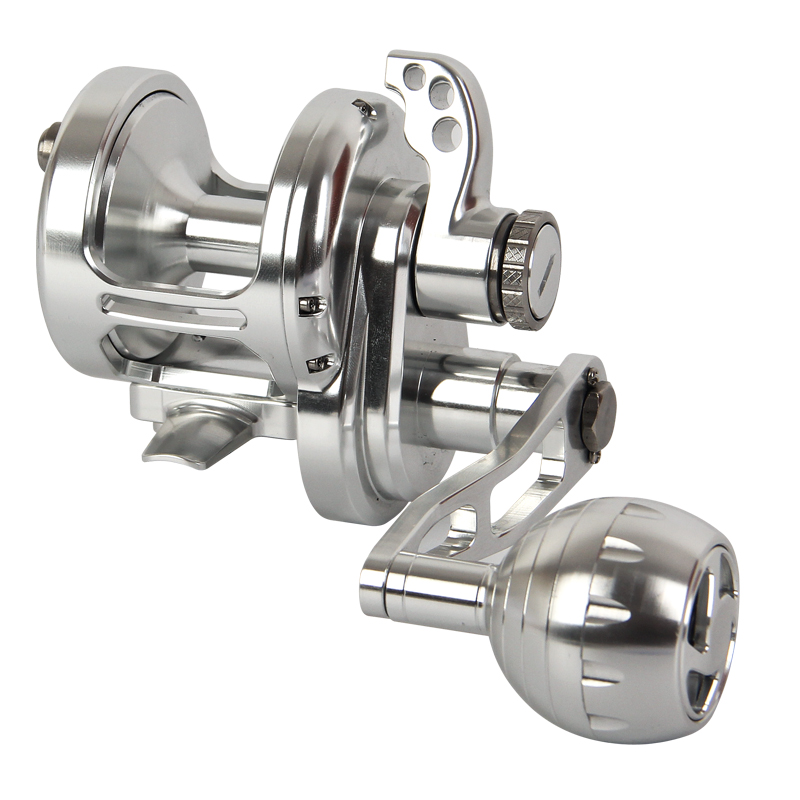
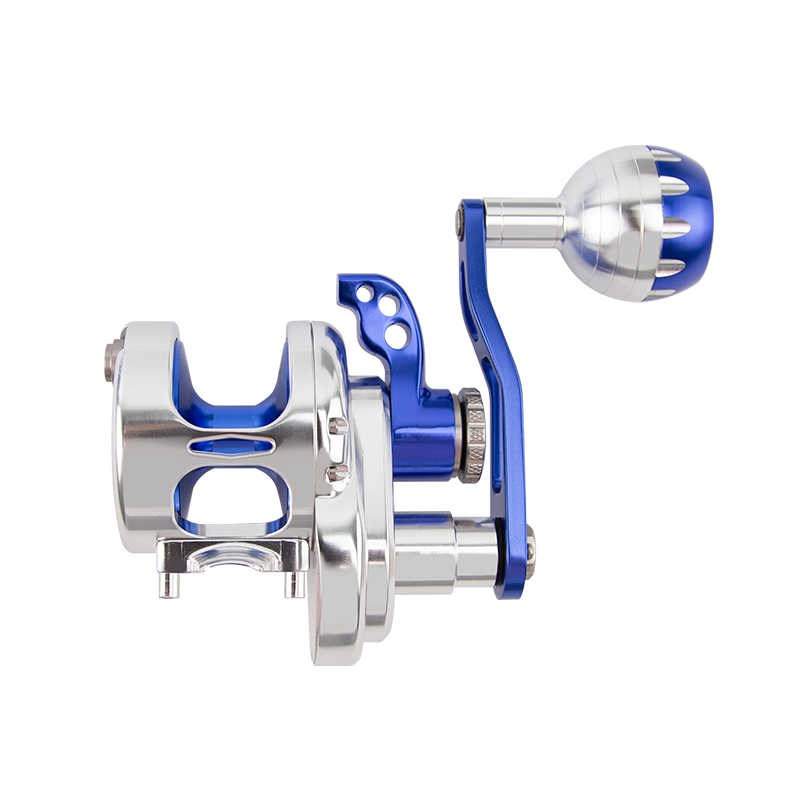
An aluminum jigging reel is a fishing reel that uses aluminum for key structural components such as the frame, spool, side plates, or other load-bearing parts. Anglers often choose this type of metal jigging reel because aluminum provides a strong and rigid foundation for demanding jigging applications.
Aluminum Reel Construction
The aluminum reel construction can vary between models. Some reels use aluminum for most of the main body, while others combine an aluminum frame with composite or other materials for selected components. Common aluminum components include:
- Aluminum frame: The frame supports the gears, spool, bearings, and drag system. A rigid frame helps keep these components properly aligned when the reel handles heavy loads.
- Aluminum spool: An aluminum spool provides a solid structure for carrying braided line and handling the pressure created during long runs.
- CNC-machined components: CNC machining allows manufacturers to produce precise metal components with consistent dimensions. This can help improve component fit and overall reel performance.
- Metal side plates or structural components: These components can add support around the internal mechanism and help reduce unwanted movement under load.
Rigidity is particularly important in a heavy duty jigging reel. When an angler applies strong drag pressure or fights a powerful fish, the reel experiences significant force. A rigid aluminum frame can resist flexing better than a less rigid construction. This helps maintain the relationship between the gears, bearings, spool, and other internal components during demanding fights.
Why Aluminum Is Used in Jigging Reels
Jigging creates repeated mechanical stress. The angler continuously lifts and retrieves the jig, while the reel must manage line tension, drag pressure, and the resistance of the water. Aluminum offers several properties that suit these conditions.
First, aluminum provides strength and rigidity for heavy loads. This makes it useful when fishing with heavy jigs or targeting powerful saltwater species. A rigid frame can also help support the reel’s gearing and drag system when the fish puts sustained pressure on the tackle.
Second, aluminum works well in high-drag applications. Offshore anglers may need substantial drag pressure to control fish during powerful runs. A strong reel structure helps support the drag system and reduces unwanted frame movement.
Aluminum is also suitable for repeated jigging cycles. Speed jigging and other active techniques can place continuous stress on the reel. A durable metal construction can withstand frequent loading and unloading during long fishing sessions.
These characteristics make aluminum reels particularly relevant to offshore and deep-water jigging. Anglers targeting tuna, amberjack, grouper, giant trevally, and other powerful saltwater species often need tackle that can handle heavy loads and extended fights.
However, aluminum construction does not automatically make a reel better in every situation. Gear strength, drag performance, line capacity, corrosion protection, weight, and overall engineering also affect performance. The best aluminum jigging reel should match the fishing technique, target species, and conditions rather than relying on material alone.

Are Aluminum Jigging Reels Worth It?
Aluminum jigging reels are worth considering when you need high rigidity, strong drag support, durable construction, and reliable performance under heavy loads. They are especially useful for offshore and saltwater jigging, where anglers often use heavy jigs and target powerful fish. However, aluminum reels can cost more and weigh more than some composite alternatives. The extra weight and price may not provide enough benefit for lighter fishing applications.
When an Aluminum Jigging Reel Is Worth It
An aluminum jigging reel makes the most sense when your fishing conditions place high demands on your tackle.
Offshore jigging often involves strong currents, deeper water, heavier tackle, and powerful fish. A rigid aluminum frame can provide the structural support needed during these demanding fights.
Deep-sea fishing can also justify an aluminum reel. Fishing at greater depths often requires more line capacity and heavier jigs. The reel must handle sustained pressure while retrieving line from deep water.
Heavy jigs place more load on the reel during both the retrieve and the fight. A strong aluminum construction can help reduce frame flex and support the gearing under these conditions.
An aluminum reel can also be a good choice for high-drag applications. When targeting powerful fish, anglers may need significant drag pressure to control a fish and prevent it from reaching structure. A rigid reel body helps support the drag system under heavy loads.
Target species also matter. Tuna, amberjack, grouper, giant trevally, and other strong saltwater species can place substantial stress on fishing tackle. For these fish, the strength and rigidity of an aluminum jigging reel can be valuable.
Finally, aluminum construction can make sense for anglers who fish in saltwater frequently. Regular offshore use demands durable tackle that can withstand repeated mechanical stress. However, aluminum does not eliminate the need for maintenance. Rinse the reel with fresh water after saltwater trips and follow the manufacturer’s care recommendations to help prevent corrosion.
When You May Not Need One
An aluminum jigging reel is not automatically the best choice for every fishing situation.
For light inshore jigging, the additional rigidity of an aluminum frame may offer little practical advantage. A lighter reel can make repetitive jigging more comfortable, especially when using small or medium-sized jigs.
The same applies to occasional recreational fishing. If you only jig a few times each year and target smaller fish, a less expensive reel may provide sufficient performance without the additional cost of aluminum construction.
Lightweight tackle priorities can also favor composite reels. Weight becomes more noticeable during long jigging sessions, so anglers who prioritize comfort and reduced fatigue may prefer a lighter setup.
For smaller target species, you may not need the heavy-duty construction of an aluminum reel. A properly matched lightweight or medium-duty reel can provide enough drag, line capacity, and structural strength.
The same principle applies to lower-load applications. If you use lighter jigs, fish in shallow water, and face relatively low drag loads, choosing a reel based on maximum strength alone may add unnecessary weight and cost.
Overall, an aluminum jigging reel is most valuable when rigidity, strength, and durability directly match your fishing demands. Instead of choosing aluminum simply because it sounds stronger, consider your target species, jig weight, fishing depth, drag requirements, and how often you fish. This approach helps you find the right balance between performance, weight, and price.
Key Benefits of Aluminum Jigging Reels
An aluminum jigging reel offers several advantages when fishing places heavy demands on your tackle. Its rigid metal construction can support powerful drag systems, heavy gearing, and repeated mechanical stress. These benefits become more noticeable during offshore and deep-sea jigging, where anglers often face strong fish, heavy jigs, and long fights.
High Rigidity Under Load
One of the biggest advantages of aluminum construction is high rigidity under load. When a powerful fish pulls against the drag, the reel frame can experience significant force. A rigid aluminum frame helps reduce unwanted flex and keeps the reel’s major components in their intended positions.
Reduced frame flex can help maintain gear alignment between the pinion gear, main gear, spool, and other internal components. Good alignment supports smoother operation and can help reduce unnecessary mechanical stress.
This rigidity becomes especially useful during hard fights. When you increase drag pressure to control a tuna, amberjack, or other powerful saltwater species, the reel needs a stable structure behind the drag system. Aluminum construction can provide that support.
For high-drag fishing, frame rigidity matters because the reel must handle substantial force without excessive movement. However, frame material is only one part of the equation. Gear design, bearings, drag components, and overall engineering also affect performance.
Strong and Durable Construction
Aluminum also provides a strong foundation for a heavy duty jigging reel. Offshore jigging can expose a reel to repeated loading from heavy jigs, strong currents, aggressive retrieves, and powerful fish. A durable metal frame can handle these stresses over many fishing sessions.
Repeated jigging creates mechanical stress even when you are not fighting a fish. Every lift, drop, and retrieve puts some load on the reel. A well-designed aluminum reel can withstand this repeated use while maintaining structural stability.
This makes aluminum construction particularly suitable for demanding offshore conditions. Anglers who regularly fish deep water or target large saltwater species can benefit from a reel designed around strength rather than minimum weight.
Aluminum construction also works well for heavy tackle applications. When you combine a heavy jig, strong braided line, a powerful rod, and substantial drag, the reel needs enough structural strength to handle the entire system.
Better Support for Powerful Drag Systems
A rigid frame can provide better structural support for a powerful drag system. During a long fight, the drag generates resistance against the fish while the angler applies pressure through the rod and reel. The reel body must remain stable as these forces increase.
However, maximum drag alone does not determine reel quality. A reel advertised with a very high maximum drag may still perform poorly if its drag feels jerky or inconsistent. Excessive drag can also exceed the practical limits of the line, leader, rod, knots, or other tackle components.
For this reason, focus on smooth and consistent drag performance rather than the highest number on the specification sheet. A quality jigging reel should deliver controlled resistance throughout the fight and maintain reliable performance as drag pressure increases.
Aluminum construction can support this goal by providing a rigid platform for the drag system. Still, the quality of the drag washers, machining, bearings, and internal design remains equally important.
Improved Heat Dissipation
Another benefit of aluminum is its ability to transfer heat efficiently. Heat can build up in a reel when the drag slips against a powerful fish for an extended period. The friction between the drag components converts mechanical energy into heat.
During a prolonged fight, excessive heat can affect drag consistency and place additional stress on reel components. Aluminum can help move heat away from concentrated areas of the reel more effectively than some materials with lower thermal conductivity.
This does not mean an aluminum reel cannot overheat. The actual heat management of a reel depends on its drag design, materials, surface area, and overall construction. Still, aluminum’s thermal properties can be useful when fighting strong fish that make long runs.
Long-Term Reliability
A well-designed aluminum jigging reel can provide long-term reliability because its structural components can withstand repeated use and heavy loads. This makes it a practical choice for anglers who frequently fish offshore rather than only using their reel occasionally.
However, durable construction does not make a reel maintenance-free. Saltwater reel maintenance remains essential, especially when you use an aluminum reel in marine environments. Salt, moisture, and debris can affect bearings, fasteners, drag components, and other parts over time.
Rinse the reel appropriately after saltwater trips, keep it dry during storage, and follow the manufacturer’s lubrication and servicing recommendations. With suitable construction and regular care, an aluminum jigging reel can remain a reliable part of an offshore fishing setup for many seasons.
Potential Drawbacks of Aluminum Jigging Reels
Aluminum offers strength and rigidity, but it also comes with some trade-offs. An aluminum jigging reel may weigh more, cost more, and require careful maintenance compared with some composite reels. Understanding these drawbacks can help you decide whether the benefits match your fishing needs.
Heavier Than Some Composite Reels
Weight matters during repetitive jigging. When you work a jig continuously for several hours, even a small difference in reel weight can affect comfort and fatigue. A heavier reel may also change the balance of the rod and require more effort during repeated lifts and retrieves.
This factor becomes especially important for slow-pitch jigging. Slow-pitch anglers often make repeated, controlled rod movements to create specific jig actions. A lighter setup can make these movements more comfortable and help reduce fatigue during long sessions.
However, reel weight should not be judged by itself. A slightly heavier aluminum reel may provide greater rigidity and strength, which can be valuable when fishing with heavier tackle or targeting powerful species.
Higher Price
Aluminum reels can cost more than some composite models. CNC machining, metal components, precision manufacturing, and more robust construction can increase production costs. Premium aluminum reels may also include stronger gears, upgraded drag systems, and additional corrosion protection.
The higher price makes more sense when you regularly fish demanding conditions. Offshore anglers who use heavy jigs, high drag pressures, and strong braided line may benefit more from the additional structural support.
For occasional anglers or those targeting smaller fish, however, the extra cost may not provide a noticeable advantage. Instead of choosing the most expensive reel, consider whether its construction and features actually match your fishing requirements.
Corrosion Requires Attention
Aluminum is not automatically corrosion-proof. Saltwater, moisture, and salt deposits can affect aluminum components and other metal parts of a reel. Poor maintenance can eventually damage the finish and affect the reel’s performance.
Many quality reels use anodizing or other protective finishes to improve aluminum’s resistance to corrosion. These treatments can provide an additional layer of protection, but they do not replace proper maintenance.
After saltwater fishing, rinse the reel according to the manufacturer’s recommendations and remove salt deposits before storage. Keep the reel dry and inspect exposed metal components regularly. Pay particular attention to areas around screws, bearings, the handle, and other connections.
Proper saltwater reel maintenance can significantly improve the service life of an aluminum jigging reel.
Weight-to-Performance Trade-Off
The most important consideration is the balance between structural strength and overall reel weight. Aluminum can provide a rigid platform for heavy-duty applications, but adding more metal does not automatically create a better reel.
A heavier reel may offer excellent rigidity and durability, yet it can become tiring during repetitive jigging. A lighter reel may feel more comfortable but may not provide the same level of structural support for extreme loads.
The right choice depends on your fishing style. For heavy offshore jigging and large saltwater species, the added weight of an aluminum reel may be a reasonable trade-off for strength and rigidity. For light jigging, long sessions, or techniques that emphasize precise and repetitive movements, a lighter reel may offer better overall comfort.
In other words, heavier does not always mean better. Look for the right combination of rigidity, drag performance, gear strength, line capacity, corrosion protection, and weight for your specific fishing application.
Aluminum vs Graphite Jigging Reels: Which Is Better?
When choosing a jigging reel, the frame material can affect weight, rigidity, durability, and overall handling. Aluminum and graphite/composite reels can both perform well, but they suit different fishing situations.
Aluminum reels generally focus on structural rigidity and heavy-load performance. Graphite and composite reels often prioritize lower weight and easier handling. The better option depends on your target species, fishing technique, jig weight, and fishing conditions.
| Feature | Aluminum Jigging Reel | Graphite/Composite Reel |
| Rigidity | High | Moderate to high |
| Weight | Usually heavier | Usually lighter |
| Heavy-load performance | Excellent | Depends on design |
| Durability | High | Good to high |
| Corrosion considerations | Requires maintenance | Material-dependent |
| Price | Often higher | Often more affordable |
| Heavy offshore jigging | Excellent choice | Depends on construction |
| Light jigging | May be unnecessary | Often suitable |
The table shows a general trend, not an absolute rule. A well-designed composite reel can outperform a poorly designed aluminum reel. Likewise, aluminum construction alone does not guarantee better drag, stronger gears, or longer service life.
Which Material Is Better for Saltwater?
For saltwater fishing, material alone does not determine corrosion resistance. Aluminum can resist corrosion well when manufacturers use suitable finishes and anglers maintain the reel properly. Many aluminum reels use anodizing to create a protective surface layer. This can improve resistance to saltwater exposure and everyday wear.
Other components matter too. Sealed bearings, corrosion-resistant screws, protected drag components, and quality finishes can all contribute to a reel’s saltwater durability. A reel with excellent aluminum construction can still develop problems if salt and moisture remain inside or around its components.
Graphite and composite materials do not eliminate maintenance either. A reel contains multiple metal components, including bearings, gears, shafts, screws, and other hardware. These parts can still face corrosion in a marine environment.
After saltwater fishing, rinse and dry the reel according to the manufacturer’s recommendations. Regular inspection and appropriate lubrication can also help protect moving parts. If you fish offshore frequently, prioritize the reel’s overall corrosion-protection system rather than choosing based only on frame material.
Which Is Better for Heavy Jigging?
For heavy jigging, aluminum often has an advantage because of its high rigidity. A rigid frame can help support the gears and drag system when the reel handles heavy jigs, high drag pressure, and powerful fish.
However, material is only one factor. Look closely at gear strength, drag performance, frame construction, spool design, and internal support. A strong aluminum frame cannot compensate for weak gears or an inconsistent drag system.
Gear alignment also matters. Heavy loads can place additional stress on the reel’s internal components. A rigid frame can help maintain stable alignment and reduce unwanted movement during a hard fight.
For anglers targeting tuna, amberjack, grouper, giant trevally, and other powerful offshore species, an aluminum reel can be a strong choice when its other components match the demands of the application.
For lighter jigging, the advantages may be less important. A graphite or composite reel can offer lower weight and comfortable handling, which can be valuable during long sessions.
Ultimately, the best material depends on how much load your reel needs to handle. Choose aluminum when rigidity and heavy-load support are priorities. Consider graphite or composite construction when low weight and comfortable handling matter more. In either case, evaluate the complete reel rather than judging performance by material alone.
Important Features to Look for in an Aluminum Jigging Reel
Not every aluminum jigging reel offers the same level of performance. Aluminum provides a strong foundation, but the reel’s overall design matters just as much. Before buying, look at the frame, drag system, gears, line capacity, bearings, handle, and corrosion protection. These features determine how well the reel handles heavy jigs, strong fish, deep water, and repeated saltwater use.
Frame and Body Construction
The frame is one of the most important parts of an aluminum jigging reel. A full aluminum frame can provide strong structural support and resist flex under heavy loads. This rigidity helps keep the gears, spool, and drag system properly aligned during hard fights.
Pay attention to the quality of the machining as well. Precision-machined aluminum components can provide accurate fit and consistent movement. Look for clean machining, solid connections, and a frame design that supports the reel at key stress points.
A rigid frame becomes especially useful when targeting powerful offshore species. Heavy drag pressure and high loads can place significant stress on the reel body. A well-built aluminum frame can help maintain stability throughout the fight.
Drag System
The drag system directly affects how an offshore jigging reel handles powerful fish. Maximum drag is an important specification, but it should not be the only one you consider.
A good drag should deliver smooth and consistent pressure throughout the fight. Sudden increases in drag can put extra stress on the line, leader, knots, and rod. Smooth startup and consistent pressure give anglers better control when a fish makes a powerful run.
Also consider heat management. Long fights can generate heat in the drag system, especially at higher drag settings. A well-designed drag system can manage this heat and maintain more consistent performance.
Most importantly, distinguish between advertised maximum drag and usable drag. A reel may list a very high maximum number, but anglers may rarely use that setting in real fishing. Look for a drag system that provides smooth, reliable pressure at the drag level you actually plan to use.
Gear Strength and Gear Ratio
Strong gears are essential for a heavy duty jigging reel. Offshore jigging can place substantial loads on the gear train, particularly when you work heavy jigs or fight fish near structure.
Gear ratio also affects how the reel feels during use. A high-speed jigging reel retrieves line quickly and works well when you need fast jig movement or rapid line recovery. A lower ratio can provide more mechanical advantage and torque, which can help when lifting heavy loads.
Neither option is automatically better. Match the gear ratio to your jigging technique and target species.
For example, speed jigging often benefits from faster line recovery. Slow-pitch jigging may place more emphasis on control, torque, and precise jig movement. Deep-water applications also require enough retrieve power to recover a long length of line efficiently.
The goal is to balance torque and retrieve speed rather than simply choosing the highest gear ratio.
Line Capacity
Line capacity becomes increasingly important when fishing offshore or in deep water. A quality saltwater jigging reel should hold enough PE line for the fishing depth, current, jigging technique, and expected fish run.
Check the reel’s PE line capacity before buying. A reel that holds PE4, PE5, or PE6 line can offer different combinations of line strength and capacity. The right choice depends on your target species and fishing conditions.
Deep-water jigging requires additional capacity because you may need to drop the jig hundreds of meters below the boat. Strong fish can also make long runs after the hook set. Limited capacity can quickly become a problem if a fish takes a large amount of line.
Do not choose capacity based only on the largest number available. Match the reel to your target species, fishing depth, line size, and expected run. Extra capacity is useful, but an oversized spool can also add unnecessary weight.
Bearings and Internal Components
A high bearing count does not automatically make a jigging reel better. More important factors include bearing quality, placement, sealing, and overall internal design.
Good bearings should support smooth rotation and reduce friction during casting, retrieving, and jigging. For saltwater use, sealed or shielded bearings can provide additional protection against moisture and salt contamination.
The gears also deserve close attention. Strong, accurately machined gears can improve power transfer and durability under heavy loads. Look at the complete internal system rather than judging the reel by its bearing count alone.
For an offshore reel, corrosion resistance matters throughout the internal components. Bearings, gears, shafts, screws, and other metal parts should work together as part of a durable saltwater-oriented design.
Handle and Power
The handle has a direct effect on how efficiently you can apply power. A large power handle gives you better leverage and can make heavy cranking more comfortable.
A comfortable grip also matters during long fights. Fighting a strong fish can require repeated turns under high resistance. A well-shaped handle helps reduce hand fatigue and gives you a more secure grip.
Handle length affects leverage as well. A longer handle can increase cranking leverage and provide more torque, while a shorter handle can support faster and more compact operation. The ideal setup depends on the reel design, gear ratio, jig weight, and target species.
For heavy offshore jigging, prioritize a handle that feels solid and comfortable under load. Good handle design can make a noticeable difference during a long fight.
Corrosion Protection
Aluminum itself does not make a reel corrosion-proof. Saltwater anglers should also examine the reel’s surface treatment and metal components.
Anodized aluminum can provide an additional protective surface and improve resistance to corrosion and wear. Stainless steel components can also help the reel withstand demanding saltwater conditions when the material grade and construction are appropriate.
Sealed bearings offer another layer of protection by reducing exposure to water, salt, and contaminants. Saltwater-resistant finishes can further protect exposed surfaces.
However, even a well-protected aluminum jigging reel still needs proper maintenance. Rinse the reel with fresh water after saltwater trips, dry it thoroughly, and inspect areas where salt deposits may accumulate.
A combination of anodized aluminum, corrosion-resistant components, sealed bearings, and regular maintenance can help extend the service life of an offshore jigging reel.
How to Choose the Right Aluminum Jigging Reel
Choosing the right aluminum jigging reel starts with your fishing conditions. Target species, jigging technique, line size, fishing depth, reel weight, and budget all affect the best choice.
A larger or more powerful reel is not always the better option. The ideal reel should provide enough drag, line capacity, torque, and structural strength for your specific fishing application without adding unnecessary weight.
Match the Reel to Your Target Species
Different offshore species place different demands on a jigging reel. Consider the fish’s size, fighting power, typical habitat, and expected runs before choosing a reel.
Tuna can make long and powerful runs, so anglers often need strong drag performance, sufficient PE line capacity, and durable gears. A rigid aluminum frame can help maintain stability under heavy loads.
Amberjack often fight aggressively around reefs, wrecks, and other structure. A powerful reel with strong gears and good cranking torque can help anglers gain line quickly and control the fish before it reaches cover.
Grouper also require strong tackle when fishing near structure. In this situation, gear strength, drag control, and torque may matter more than extremely high retrieve speed.
Giant trevally can deliver explosive runs and put heavy loads on the entire tackle system. A strong offshore jigging reel with reliable drag and adequate line capacity can provide better control during the fight.
For snapper and other offshore species, you may not need the same reel size or drag capacity used for large tuna or giant trevally. Match the reel to the expected fish size and fishing environment instead of automatically choosing the most powerful model.
Match the Reel to Your Jigging Technique
Your jigging technique also influences the ideal reel design.
For slow-pitch jigging, prioritize smooth operation, precise control, suitable torque, and a comfortable retrieve. A moderate gear ratio can help anglers control the jig and maintain a natural presentation.
Speed jigging places more emphasis on retrieve speed. A higher gear ratio can help recover line quickly and support fast jig movements. This setup can also help anglers respond faster when a fish follows the jig toward the boat.
Deep-water jigging requires enough line capacity to reach the desired depth while leaving additional line for current and fish runs. Retrieve power also becomes important because anglers may need to recover a large amount of line after each drop.
For heavy jigging, focus on gear strength, frame rigidity, drag performance, and cranking power. Heavy jigs and powerful fish can place substantial loads on the reel, so a strong aluminum construction can provide a useful advantage.
The key is to match the reel to the technique rather than choosing a gear ratio or drag rating simply because it has the largest number.
Match Reel Size to Line and Depth
Reel size should work with your PE rating, line capacity, and fishing depth. Start by deciding what line you need for the target species and conditions. Then choose a reel that can hold enough of that line for your typical fishing depth.
Deep-water fishing requires more line capacity. You may also need additional capacity when strong currents increase the amount of line outside the boat. A powerful fish can make the requirement even greater during a long run.
For example, a reel designed around PE4 line may suit a different application from one designed for heavier PE5 or PE6 line. The correct choice depends on the target species, depth, current, jig weight, and leader system.
Avoid choosing a reel based on spool size alone. Look at the actual PE line capacity and consider how much line you need beyond the planned fishing depth.
Consider Reel Weight
Aluminum construction offers excellent rigidity, but it can add weight compared with some graphite or composite reels. This difference becomes more noticeable during long jigging sessions.
A heavy reel may provide excellent strength, but excessive weight can increase angler fatigue. It can also affect the balance of the rod and change how comfortable the setup feels during repeated jigging.
Consider the complete rod-and-reel combination rather than the reel alone. A well-balanced setup can feel lighter and more comfortable even when the reel itself is relatively substantial.
For short sessions or heavy offshore applications, you may accept additional weight in exchange for greater rigidity and strength. For long days of active jigging, however, reducing unnecessary weight can improve comfort and endurance.
The goal is to find the right trade-off between rigidity and weight.
Consider Your Budget
Aluminum jigging reels are available across a wide price range. Entry-level aluminum reels can provide a practical way to access metal construction without a premium price. They may suit occasional offshore anglers or less demanding applications.
Mid-range aluminum reels often offer a stronger balance between construction, drag performance, gearing, and corrosion protection. They can be a good choice for anglers who fish saltwater regularly but do not need a specialized big-game setup.
Premium heavy-duty reels typically focus on high-load performance, precision machining, stronger internal components, advanced drag systems, and improved durability. These features can become more valuable when you frequently target powerful offshore fish.
However, price alone does not determine reel quality. Compare the frame construction, gear strength, drag performance, line capacity, bearings, handle design, and corrosion protection.
The best aluminum jigging reel is the one that meets your actual fishing requirements without paying for features you do not need.
Aluminum Jigging Reel Maintenance Tips
Proper maintenance can help an aluminum jigging reel stay smooth, reliable, and ready for repeated saltwater use. Salt, moisture, sand, and heavy loads can affect the reel over time. A simple maintenance routine after each trip can reduce corrosion and help protect the drag, bearings, gears, and other components.
Good jigging reel maintenance does not need to take much time. Focus on rinsing, drying, inspection, and regular servicing.
Rinse After Saltwater Fishing
Always rinse your reel with fresh water after saltwater fishing. Salt residue can accumulate around the frame, handle, screws, spool, and other exposed components. Over time, this residue can contribute to corrosion.
Use a gentle stream of fresh water to remove salt and dirt. Avoid using excessive water pressure. High-pressure water can force salt, dirt, and moisture deeper into bearings, seals, and other internal areas.
A gentle rinse is an important part of saltwater reel maintenance, especially after offshore fishing trips.
Dry the Reel Properly
After rinsing, remove surface moisture with a clean, soft cloth. Pay attention to areas around the handle, frame, spool, and other joints where water can collect.
Allow the reel to dry completely before storage. Store it in a dry environment with good ventilation. Avoid leaving a wet reel inside a closed tackle box or damp bag for long periods.
Proper drying helps reduce moisture-related corrosion and keeps the reel ready for its next trip.
Check Bearings and Drag
Regularly check how the reel rotates. Turn the handle slowly and listen for unusual sounds. Rough rotation, grinding, clicking, or unexpected resistance can indicate a problem with the bearings or internal components.
Also monitor drag performance. The drag should engage smoothly and provide consistent pressure. If the drag feels jerky, unusually loose, or difficult to adjust, inspect the system before your next fishing trip.
Early inspection can help identify small problems before they affect performance under load.
Inspect for Corrosion
Check your reel regularly for early signs of corrosion. Do not focus only on the aluminum frame. Inspect all exposed metal components.
Pay particular attention to:
- Frame: Look for corrosion, surface damage, or salt buildup.
- Screws: Check for discoloration, rust, or salt deposits.
- Handle: Inspect the handle, knob, shaft, and connection points.
- Bearings: Watch for rough rotation or signs of contamination.
- Other metal components: Check the spool, gears, shafts, and exposed fittings when accessible.
If you notice corrosion, clean the affected area according to the manufacturer’s recommendations. Do not ignore small corrosion spots. They can become more serious with repeated exposure to saltwater.
Follow the Manufacturer’s Service Schedule
Routine cleaning is only part of offshore fishing reel care. Your reel also needs periodic servicing based on its design and how often you use it.
Follow the manufacturer’s recommended service schedule for lubrication, greasing, and internal inspection. Apply the correct lubricant to the appropriate components. Avoid using excessive grease or applying products to areas where they do not belong.
During internal servicing, inspect the gears, bearings, drag components, shafts, and other moving parts. Frequent offshore anglers may need more regular servicing than anglers who use their reels only occasionally.
A consistent aluminum reel maintenance routine can help preserve smooth operation, protect against corrosion, and extend the working life of your jigging reel.
Are Aluminum Jigging Reels Good for Saltwater Fishing?
Yes, aluminum jigging reels can be an excellent choice for saltwater fishing, especially for offshore and deep-sea applications. Aluminum offers high rigidity and strong structural support, which helps the reel handle heavy drag pressure, powerful fish, and demanding jigging conditions.
However, aluminum alone does not make a reel saltwater-resistant. Saltwater resistance depends on the complete reel design, including the surface treatment, seals, bearings, screws, internal components, and overall construction.
Aluminum is popular in offshore fishing because it can provide a strong and rigid frame without relying entirely on composite materials. A rigid frame helps maintain alignment between the spool, gears, and drag system when the reel operates under heavy loads. This can be especially useful when targeting tuna, amberjack, grouper, giant trevally, and other powerful offshore species.
Anodizing and Surface Protection
Anodized aluminum can provide additional protection against corrosion and surface wear. A quality anodized finish helps protect exposed aluminum from the harsh saltwater environment.
However, anglers should also consider the other metal components. Stainless steel screws, shafts, fittings, and other corrosion-resistant parts can improve the reel’s overall durability in saltwater conditions.
Seals and Bearings Matter
Saltwater can reach sensitive internal components through gaps, joints, and moving parts. Good seals can help limit the entry of water, salt, and contaminants.
Sealed or shielded bearings can also provide additional protection. They help keep moisture and salt away from the bearing surfaces and support smoother rotation over time.
Still, no reel is completely immune to saltwater exposure. The quality of the seals, bearing design, component materials, and assembly all affect long-term corrosion resistance.
Maintenance Is Still Essential
Even a well-designed aluminum saltwater reel requires regular care. Salt deposits can accumulate on the frame, handle, screws, spool, and other exposed areas after a fishing trip.
Rinse the reel gently with fresh water after saltwater use. Avoid excessive water pressure, which can push moisture and contaminants into bearings and other sensitive areas. Dry the reel thoroughly and store it in a dry environment.
Regularly inspect the frame, screws, bearings, handle, and other metal components for corrosion or unusual wear. Follow the manufacturer’s recommendations for lubrication, greasing, and internal servicing.
In short, aluminum jigging reels are well suited to saltwater fishing, particularly when you need rigidity and strength for offshore applications. But the reel’s overall construction matters more than the material alone. Look for anodized aluminum, appropriate seals, corrosion-resistant bearings and components, and a reliable maintenance routine to get the most from your reel in saltwater conditions.
Common Mistakes When Buying an Aluminum Jigging Reel
Choosing an aluminum jigging reel involves more than checking the drag rating or bearing count. Different fishing conditions require different combinations of strength, speed, capacity, and weight.
Avoiding common jigging reel buying mistakes can help you choose a reel that performs well without paying for unnecessary features.
1. Choosing Based Only on Maximum Drag
Maximum drag is an important specification, but it does not tell the whole story. A high number does not automatically mean better drag performance.
Look for smooth startup, consistent pressure, and good heat management as well. More importantly, consider the drag range you will actually use when fishing. A reel with a slightly lower maximum drag but a smoother and more consistent system may perform better in real conditions.
2. Assuming Heavier Means Stronger
A heavier reel is not automatically a stronger reel. Weight can come from different components and does not always indicate better construction.
Look at frame rigidity, gear strength, machining quality, drag design, and internal support instead. A well-designed aluminum reel can provide excellent structural strength without adding unnecessary weight.
Also consider how the reel feels during a long jigging session. Excessive weight can increase fatigue and affect rod balance.
3. Ignoring Line Capacity
Line capacity becomes critical when fishing deep water or targeting powerful offshore species. A reel that cannot hold enough PE line may leave you with little margin when a fish makes a long run.
Check the reel’s PE line capacity and compare it with your target depth, line size, current, and expected fish behavior.
Do not choose capacity based only on the largest available spool. Too much capacity can add unnecessary weight, while too little capacity can limit your fishing range.
4. Choosing the Highest Gear Ratio Automatically
A higher gear ratio provides faster retrieve speed, but it does not always provide the best overall performance.
High-speed reels can work well for speed jigging and situations that require rapid line recovery. Lower or moderate gear ratios can offer more torque for heavy jigging and demanding fights.
Match the gear ratio to your jigging technique, jig weight, target species, and fishing depth rather than simply choosing the highest number.
5. Ignoring Corrosion Protection
Aluminum construction does not make a reel corrosion-proof. Saltwater can affect exposed metal parts, bearings, screws, shafts, and other components.
Check for features such as anodized aluminum, corrosion-resistant metal components, sealed bearings, and saltwater-resistant finishes.
Regular maintenance also matters. Even a well-protected saltwater jigging reel needs fresh-water rinsing, proper drying, and periodic inspection after fishing.
6. Focusing Only on Bearing Count
More bearings do not automatically mean a smoother or more durable reel. Bearing quality, placement, sealing, and internal design can matter more than the total number.
Look for bearings that support smooth rotation and provide appropriate protection against saltwater and contaminants.
Also evaluate the gear system, frame rigidity, drag system, and overall machining quality. A reel with fewer high-quality components can outperform one with a larger bearing count but weaker overall construction.
7. Not Matching the Reel to the Rod and Line
A reel should work as part of a complete tackle system. Choosing the reel separately from the rod and line can create an unbalanced setup.
Consider the rod’s power, line rating, PE size, leader strength, jig weight, and target species. The reel should provide suitable drag and line capacity without overwhelming the rod.
For example, a powerful offshore reel may have excellent drag and gear strength, but pairing it with a lightweight rod designed for light jigging may reduce comfort and performance.
8. Buying a Heavy-Duty Reel for Light Jigging
Heavy-duty construction can be valuable when targeting large fish or fishing deep water. But it is not always necessary for light jigging.
A large aluminum reel may add weight and fatigue when used with small jigs, lighter PE line, and smaller species. In these situations, a lighter reel can provide better balance and a more enjoyable fishing experience.
Choose heavy-duty equipment when the fishing conditions actually require it. For light jigging, prioritize appropriate weight, smooth operation, balance, and compatibility with your rod and line.
Avoiding these common mistakes makes it easier to evaluate an aluminum jigging reel based on real fishing requirements rather than isolated specifications. The best reel is not necessarily the one with the highest drag, fastest gear ratio, most bearings, or heaviest construction. It is the one that matches your technique, tackle, target species, and fishing environment.
Frequently Asked Questions About Aluminum Jigging Reels
Are aluminum reels better than graphite reels?
Aluminum reels generally offer greater rigidity and strength under heavy loads, while graphite or composite reels are often lighter and more affordable. Neither material is always better. Choose based on your target species, fishing technique, reel weight, and required load capacity.
Are aluminum jigging reels good for saltwater?
Yes. Aluminum jigging reels are well suited to saltwater fishing, especially offshore jigging. Look for anodized aluminum, corrosion-resistant components, sealed bearings, and suitable seals. Regular freshwater rinsing and proper maintenance are still essential.
Are aluminum fishing reels too heavy for jigging?
Not necessarily. Aluminum reels can weigh more than some graphite or composite models, but the added weight can come with greater rigidity and structural strength. For long jigging sessions, consider reel weight, rod balance, and angler fatigue before choosing a heavy-duty model.
Do aluminum reels rust?
Aluminum does not rust like iron or steel, but it can corrode when exposed to saltwater and moisture. Anodized finishes and corrosion-resistant components can improve protection. Regular rinsing, drying, and maintenance help reduce corrosion.
How long do aluminum jigging reels last?
A quality aluminum jigging reel can last for many years with proper use and maintenance. Its service life depends on construction quality, fishing frequency, saltwater exposure, load, and servicing. Regular cleaning, lubrication, and internal inspection can extend its working life.
Are expensive aluminum jigging reels worth it?
They can be worth the investment for frequent offshore anglers who need strong gears, reliable drag performance, rigid construction, and better corrosion protection. However, price alone does not guarantee better performance. Compare the reel’s actual features with your fishing requirements.
What size aluminum reel is best for tuna?
The best size depends on the tuna species, expected fish size, fishing depth, PE line rating, and jigging technique. Larger tuna usually require more line capacity, stronger drag, and heavier-duty gears. Match the reel to the required PE line and fishing conditions rather than choosing size alone.
What should I look for in an aluminum jigging reel?
Look for a rigid aluminum frame, strong gears, smooth and consistent drag, suitable PE line capacity, quality bearings, a powerful handle, and corrosion protection. Also consider gear ratio, reel weight, rod compatibility, and your target species.
How do you maintain an aluminum jigging reel?
Rinse the reel gently with fresh water after saltwater fishing, then dry it thoroughly before storage. Check the bearings, drag, frame, screws, and handle for wear or corrosion. Follow the manufacturer’s schedule for lubrication, greasing, and internal servicing.
Final Verdict: Are Aluminum Jigging Reels Worth It?
Yes, aluminum jigging reels are worth it when you need high rigidity, strong construction, and reliable performance under heavy loads. Aluminum is especially valuable for offshore and deep-sea anglers who regularly use heavy jigs, high drag pressure, and tackle designed for large saltwater species.
An aluminum jigging reel is a strong choice for:
- Offshore jigging
- Deep-sea fishing
- Heavy jigs
- High-drag applications
- Large saltwater species, such as tuna, amberjack, grouper, and giant trevally
However, aluminum reels also come with trade-offs. They often weigh more than graphite or composite reels and may cost more. They also require proper saltwater reel maintenance to protect the frame, bearings, gears, and other metal components from corrosion.
The best reel choice should not depend on material alone. Consider your fishing technique, target species, line size, jig weight, fishing depth, and conditions. A lighter composite reel may work well for light or occasional jigging, while an aluminum reel can provide greater confidence for demanding offshore applications.
Practical Aluminum Jigging Reel Buying Checklist
Before buying, check these key points:
- Frame rigidity – Choose a solid frame that can handle heavy loads.
- Drag performance – Look for smooth, consistent drag rather than maximum drag alone.
- Gear strength – Make sure the gearing matches your target species and fishing technique.
- Gear ratio – Match retrieve speed and torque to slow-pitch, speed jigging, or deep-water applications.
- Line capacity – Confirm sufficient PE capacity for your fishing depth and expected fish runs.
- Jig weight range – Make sure the reel works with the jigs you use most often.
- Handle power – A strong, comfortable handle improves cranking control during long fights.
- Corrosion protection – Look for anodized aluminum, corrosion-resistant components, and suitable sealing.
- Reel weight – Consider rod balance, fishing duration, and overall tackle weight.
- Maintenance needs – Choose a reel you can rinse, inspect, lubricate, and service properly.
In short, aluminum jigging reels are a worthwhile investment for anglers who regularly fish hard offshore conditions and need rigidity, strength, and durability. For lighter applications, a lighter and more affordable reel may offer better overall value. The right choice is the one that matches your complete tackle system and fishing conditions.
-
Sale!

-
Sale!

-
Sale!

-
Sale!
