
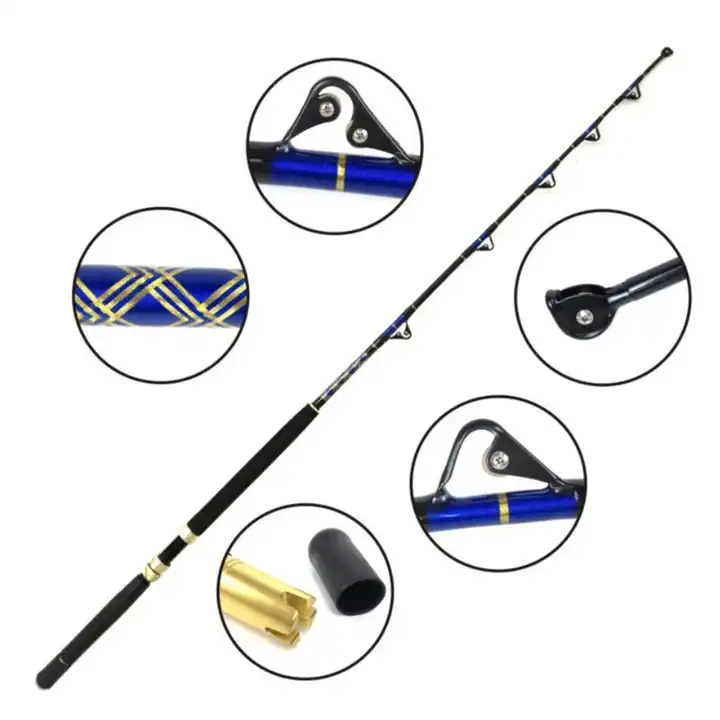
H2: Introduction
Offshore trolling puts steady, heavy pull on your fishing rod all day long. Choose the wrong rod material, and you can ruin your trip or lose a trophy fish.
Fiberglass and carbon fiber dominate offshore trolling rod blanks. Neither material is perfect. Each carries unique strengths and weaknesses for saltwater trolling.
The better pick depends on your target fish, fishing style, and what you value most: durability, sensitivity, or lighter weight.
In this article, we break down each material’s core traits, pros and cons, and real offshore use cases. By the end, you will know which blank fits your trolling setup.
To dig deeper into how rod design impacts performance, read our guide: How Trolling Rod Construction Affects Strength, Sensitivity, and Durability.
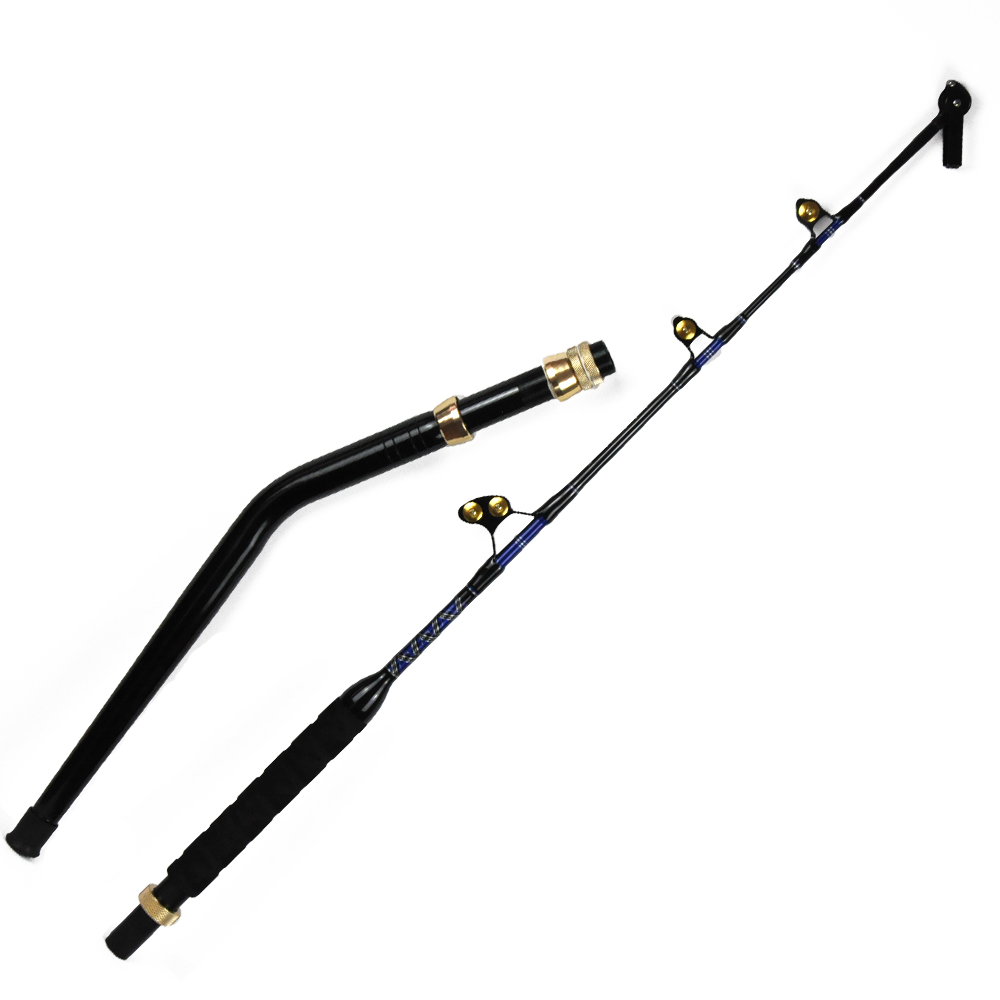
H2: What Makes Offshore Trolling Rods Different From Inshore Rods?
Offshore trolling rods are built for harsh open-ocean conditions. They handle loads that inshore rods were never designed to take.
H3: Unique stress of offshore trolling: sustained pull, big fish surges, saltwater exposure
When you troll offshore, your rod holds constant pull for hours. Lures and bait drag behind the moving boat nonstop. A large fish can explode out of nowhere and send sudden, violent surges down your line.
Saltwater adds another challenge. Spray and brine coat every part of the rod. Salt eats away hardware and damages blanks if the build quality is poor. Inshore rods rarely face this combination of continuous tension and corrosive salt exposure.
H3: Key performance metrics offshore anglers care about: fatigue resistance, strength, sensitivity, corrosion tolerance
Offshore anglers judge rods by four critical traits.
Fatigue resistance matters most for all-day trips. A rod must hold steady tension without weakening over time. Raw strength handles powerful runs from big game fish.
Sensitivity helps you pick up subtle bites before the fish drops the bait. Corrosion tolerance keeps guides, reel seats and coatings safe from salt damage.
Inshore rods often prioritize casting ease and lightweight feel. Offshore trolling rods need to survive long hours, big fish, and saltwater.
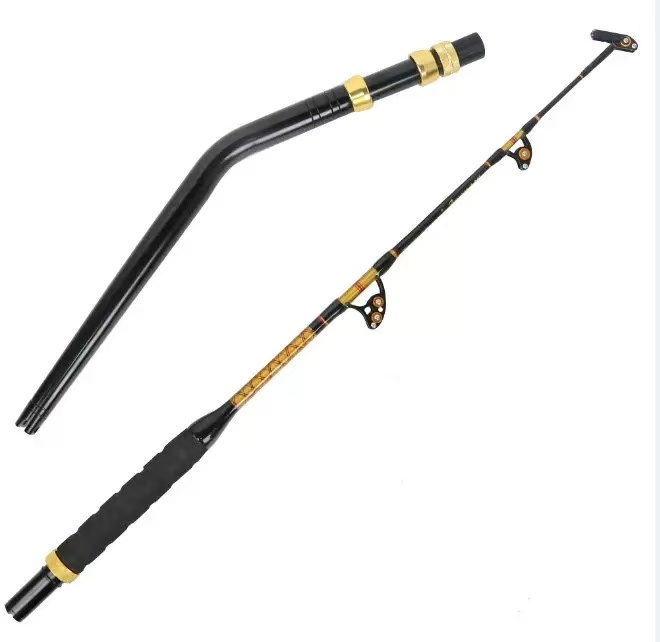
H2: Fiberglass Trolling Rods for Offshore Fishing
Fiberglass has been a trusted blank material for offshore trolling for decades. Its physical traits fit the heavy, nonstop stress of open-water fishing.
H3: Core material properties
Fiberglass uses woven glass fibers bonded with resin. The material flexes smoothly and absorbs force well. It does not turn brittle with repeated bending. It handles continuous tension better than many other rod blank materials.
H3: Pros for offshore trolling
Fiberglass delivers excellent fatigue resistance for hours of steady trolling pull. It stands up to constant load without developing hidden weak spots.
It soaks up shock to handle sudden big-game runs. When a tuna or wahoo surges, the rod flexes to take the jolt off your line and knots.
Fiberglass is forgiving. It is far less likely to snap under hard impacts, like bumps against the boat gunwale.
It holds stable performance in rough saltwater environments. Salt spray does not degrade the blank itself quickly.
H3: Cons for offshore trolling
Fiberglass adds noticeable weight. Your arms tire faster during long all-day offshore trips.
It has lower sensitivity. Subtle light bites do not transfer clearly to your hand, so you may miss faint taps.
Fiberglass comes with slower action. The rod bends deep along its length, which works great for fighting fish but limits quick tip response.
H3: Best offshore use cases for fiberglass trolling rods
Pick fiberglass rods for big-game offshore trolling. Use them when you target tuna, marlin, wahoo, or other large pelagic fish.
They work perfectly for long day trips where your rod holds lures under constant pull. They are also ideal if your gear gets knocked around often on a busy boat.
H2: Carbon Fiber (Graphite) Trolling Rods for Offshore Fishing
Carbon fiber, also called graphite, has grown popular for modern offshore trolling rods. It delivers a completely different set of performance traits compared to fiberglass.
H3: Core material properties
Carbon fiber blanks use tightly woven carbon fibers locked in resin. The fibers are stiff and transfer vibrations efficiently. Manufacturers can build strong, thin walls without adding excess mass. But carbon lacks the flexible give you get from fiberglass.
H3: Pros for offshore trolling
Carbon fiber stays lightweight for long days on the water. Less rod weight reduces arm fatigue during extended trolling sessions.
It offers superior sensitivity. You easily pick up faint bites and subtle lure vibration that fiberglass blanks mask.
Carbon has a high power-to-weight ratio. You get strong fighting capability without carrying a heavy rod.
H3: Cons for offshore trolling
Carbon fiber uses brittle construction. It is vulnerable to shock impacts and hard knocks.
It carries a higher risk of cracking under sudden heavy surges from big game fish. A violent run can create sharp stress spikes the blank cannot absorb.
Carbon blanks develop hidden damage easily from boat bumps. Tiny internal cracks may not show visually, but they weaken the rod over time.
H3: Best offshore use cases for carbon fiber trolling rods
Choose carbon fiber trolling rods when you chase smaller to mid-size offshore species and want to detect light bites. It works well if you handle your gear carefully and avoid rough knocks against the boat.
This material fits anglers who prioritize lightweight feel and precise bite feedback. It is not the top pick for heavy big-game trolling or messy boat conditions where rods get banged around often.
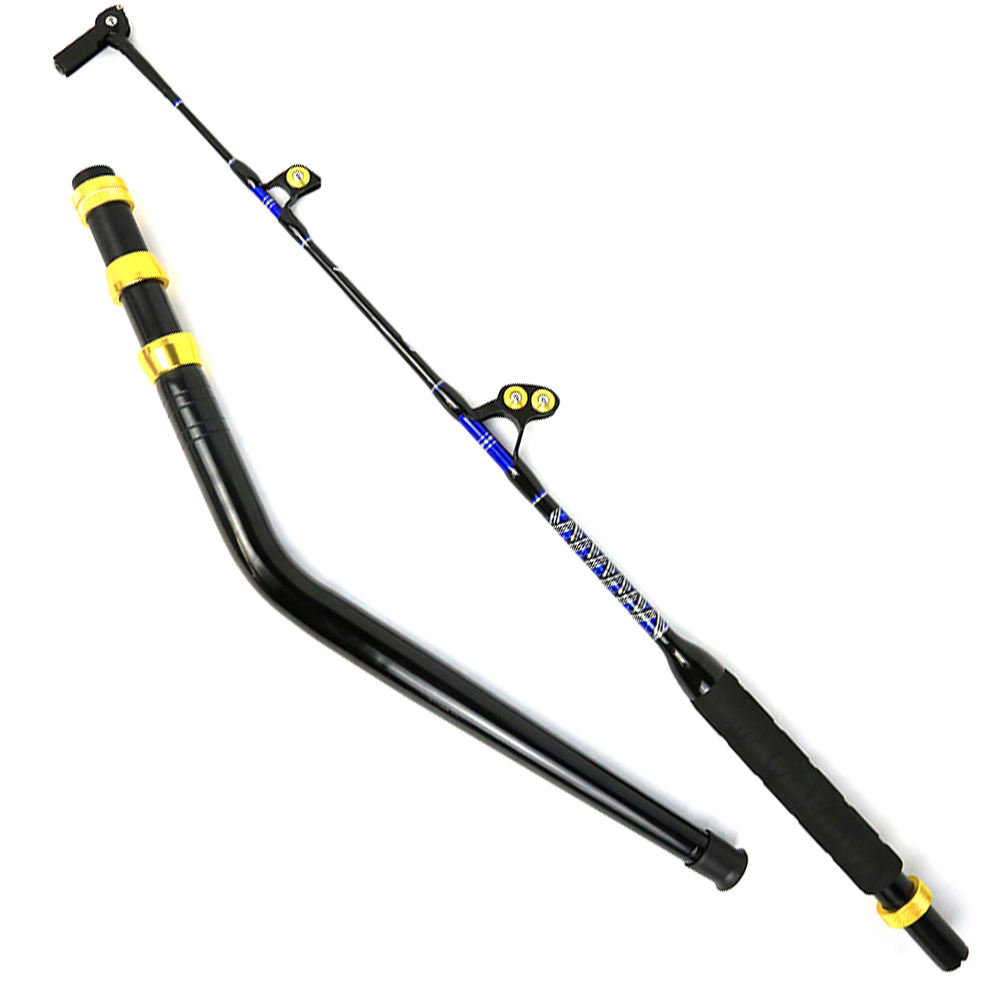
H2: Side-by-Side Comparison: Fiberglass vs Carbon Fiber Offshore Trolling Rod
This side-by-side table breaks down the core differences between fiberglass and carbon fiber offshore trolling rods. Scan it quickly to see the main tradeoffs at a glance.
表格
| Material | Weight | Strength | Sensitivity | Durability | Saltwater Suitability | Best For |
| Fiberglass | Heavier | Excellent sustained pulling strength | Low | Great fatigue resistance; forgiving against impacts | Excellent; blank resists salt degradation | Big-game offshore trolling, all-day continuous pull, rough boat handling |
| Carbon Fiber | Light | High power-to-weight ratio; poor shock absorption | Superior | Prone to cracking from knocks or sudden shocks | Good; blank itself holds up, but impacts create hidden damage | Mid-sized offshore fish, anglers who want light weight and bite sensitivity, careful gear handling |
Fiberglass wins when you need endurance and shock forgiveness. It handles nonstop trolling tension and accidental bumps without failing quickly. The tradeoff is extra weight and duller bite feedback.
Carbon fiber shines for light weight and sharp sensitivity. You feel tiny lure movement and faint bites easily. But it cannot absorb sudden violent shocks. One hard knock or sharp surge can create unseen cracks in the blank.
Neither material dominates every category. Your fishing goals decide which rod works better for your offshore trips.
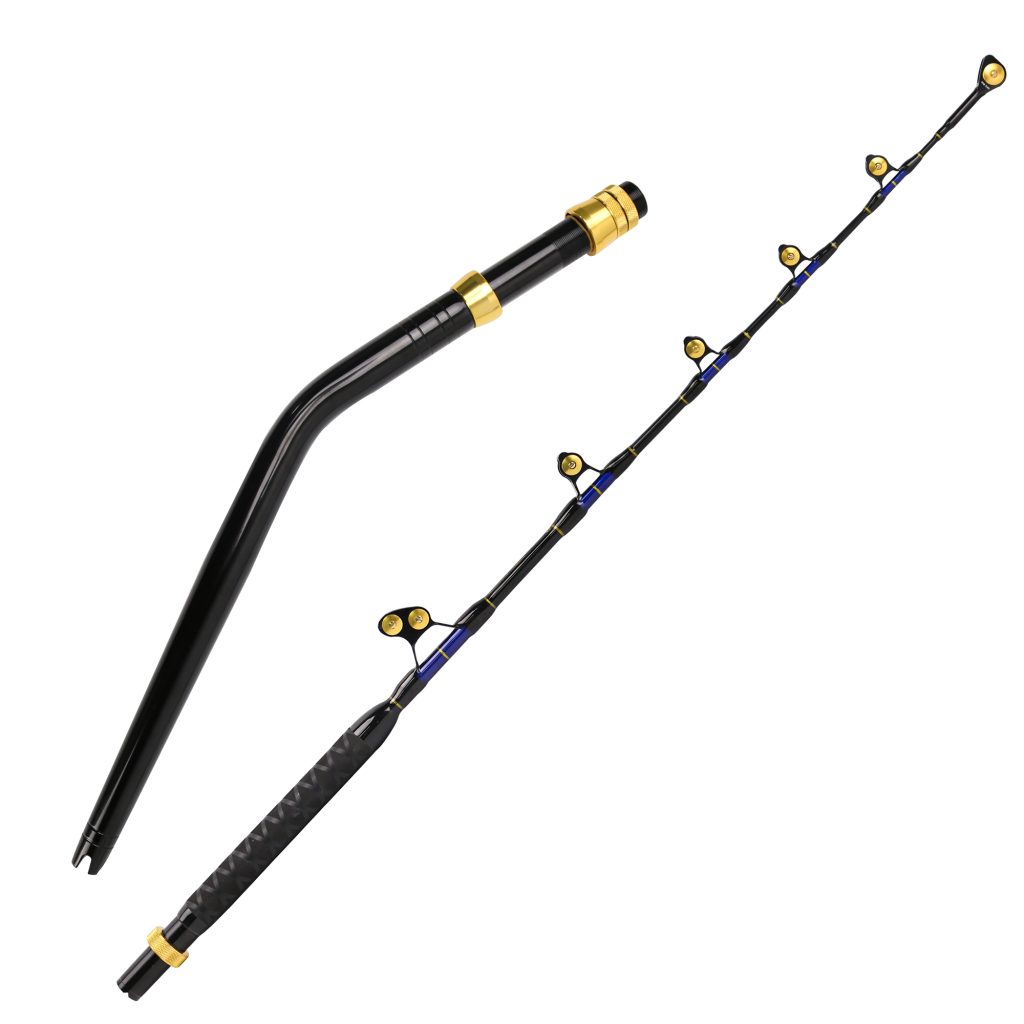
H2: Composite Trolling Rods – The Middle Ground for Offshore Anglers
Pure fiberglass and pure carbon each have clear downsides. Composite blanks combine both materials to strike a balanced compromise for offshore trolling.
H3: What composite blanks are (fiberglass + carbon fiber blended layup)
Composite rod blanks mix fiberglass and carbon fiber fibers in one blank. Manufacturers weave or layer the two materials together during the winding process. They can adjust the ratio of carbon and fiberglass to tune the rod’s performance. Some use more carbon for sensitivity, while others add extra fiberglass for strength.
H3: How composite balances the weaknesses of pure fiberglass and pure carbon
Carbon fiber boosts sensitivity and cuts down overall rod weight. Fiberglass adds flex, shock absorption and fatigue resistance.
A composite blank avoids the extreme heaviness of full fiberglass rods. It also fixes the brittleness of pure carbon. It won’t crack as easily from bumps or sudden fish surges, yet still passes subtle bite vibrations to your hand.
You lose the maximum durability of 100% fiberglass. You also won’t get the ultra-sharp sensitivity of pure carbon. But you skip the biggest flaws of both materials.
H3: When composite is the smart pick for offshore trolling
Composite trolling rods work best for general offshore trips where you target a mix of fish sizes. Pick composite if you want decent sensitivity without sacrificing too much impact resistance.
H2: Critical Offshore Factors Beyond Blank Material
Blank material gets most of the attention, but other features decide how your rod performs and lasts out on open water. Even the best fiberglass or carbon blank fails with cheap supporting parts.
H3: Hardware quality (guides, reel seats, corrosion resistance for saltwater)
Guides and reel seats take constant abuse from salt spray. Choose stainless steel frames paired with ceramic or aluminum oxide inserts. These resist rust and keep line moving smoothly.
Low-grade hardware corrodes fast in saltwater. Rusty guides cut your line and dull vibration transfer. Weak plastic reel seats flex under heavy pull and can shift when a big fish strikes. Always check hardware quality before you focus only on blank material.
H3: Blank layup, wall thickness and epoxy coating
The way builders wrap fibers matters just as much as the material itself. Poor layup creates hidden stress spots that crack under offshore loads.
Thicker blank walls add strength but reduce sensitivity. Thin walls boost bite feedback yet risk damage from shocks. A high-quality epoxy coating seals the fiber layers. It blocks saltwater and UV rays to stop degradation over time. Cheap epoxy peels and lets moisture ruin the blank.
H3: Maintenance differences between fiberglass and carbon rods
Many anglers ask: are carbon trolling rods high maintenance? Carbon blanks need more careful handling. Inspect them often for unseen micro-cracks after bumps. If you knock the rod hard, check the blank before your next trip.
H2: How To Choose: Fiberglass or Carbon Fiber Trolling Rod For Your Offshore Trip
Use this simple guide to match your rod material to your offshore fishing goals.
H3: Pick fiberglass if…
Choose fiberglass for big-game targets, such as large tuna, marlin or wahoo. It works great for all-day trolling sessions with constant pulling pressure. Grab fiberglass when your gear gets rough handling. If rods bang against the boat gunwale often, prioritize durability above light weight or ultra-fine bite sensitivity.
H3: Pick carbon fiber if…
Go with carbon fiber when you want a lighter setup for long days. Select it to pick up subtle, faint bites and small lure vibrations. It suits trips targeting moderate-sized offshore fish. This material only makes sense if you handle your rods carefully and avoid hard knocks on the boat.
H3: Pick composite if…
Composite is your best choice for general-purpose offshore trolling. It delivers balanced performance, mixing solid strength and decent sensitivity. Choose composite when you chase a mix of different fish sizes and don’t want the downsides of pure fiberglass or pure carbon. Most weekend offshore anglers will get the most value from a composite trolling rod.
H2: Frequently Asked Questions (FAQ for featured snippet)
H3: Are carbon fiber trolling rods good for saltwater offshore fishing?
Yes, carbon fiber trolling rods work for saltwater offshore fishing. The blank itself resists salt damage well. But carbon is brittle. You must handle it carefully to avoid hard knocks that create hidden cracks. Always pair carbon rods with corrosion-resistant hardware for saltwater trips.
H3: Do fiberglass offshore trolling rods fatigue your arms faster?
Yes. Fiberglass weighs more than carbon fiber. Holding this heavier rod for hours creates more arm strain. The extra weight pays off with better shock absorption and durability. If you fish long trips and hate heavy gear, carbon or composite is a better fit.
H3: Which material lasts longer in offshore saltwater: fiberglass or carbon fiber?
Fiberglass usually lasts longer offshore. It tolerates impacts and constant trolling stress far better. Saltwater does not quickly break down either blank material. Most carbon rod failures come from cracks caused by bumps or sudden fish surges, not salt eating the blank itself.
H3: Can a carbon trolling rod handle marlin, tuna or other big offshore game fish?
Carbon rods can fight big game fish, but they carry higher risk. They have great power-to-weight ratio, yet lack fiberglass’s shock absorption. Sharp, violent runs from large pelagic fish can crack the carbon blank. Stick to heavy fiberglass or composite rods if you regularly target trophy-sized marlin or tuna.
H2: Conclusion
Fiberglass excels at durability and shock absorption for tough offshore trolling. Carbon fiber takes the lead on light weight and sharp bite sensitivity.
No single material works perfectly for every angler. Match your rod blank to the fish you chase, your fishing style, and how roughly you treat your gear. Choose fiberglass for big game and rough boat conditions. Pick carbon when you want lightweight feel and better bite detection. Composite works great for versatile, everyday offshore trips.
Ready to find your next rod? Explore our offshore trolling rod buying guide to view top-rated models.
Check out our full roundup: Best Trolling Rods for Offshore Fishing.
-
Sale!

-
Sale!

-
Sale!

-
Sale!
