
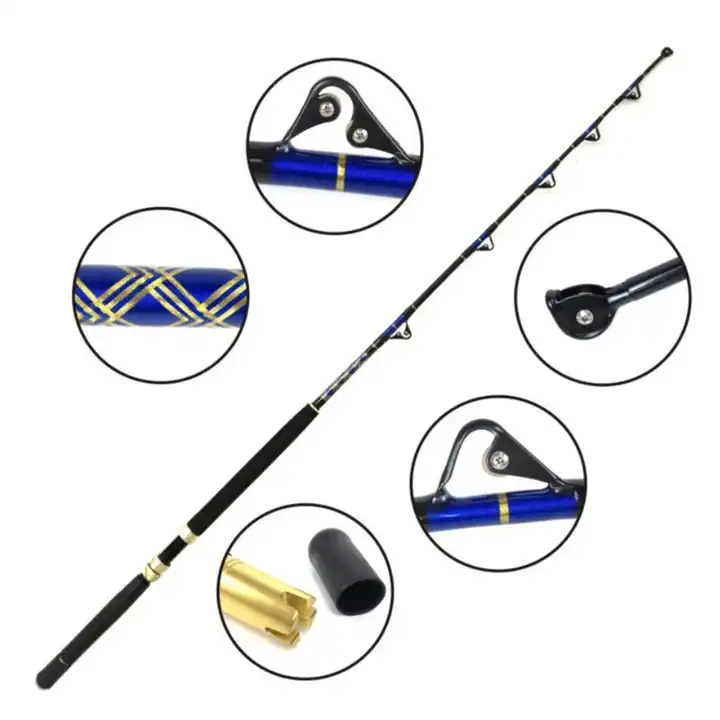
How Gear Ratio and Drag Power Affect Jigging Reel Performance
When choosing a jigging reel, two specifications deserve close attention: gear ratio and drag power. These features directly affect how the reel retrieves line, controls the jig, and handles powerful fish. A well-matched combination can make jigging more efficient and help you maintain control throughout the fight.
However, bigger numbers do not always mean better performance. A high gear ratio can provide faster line recovery, but it may offer less torque when you retrieve a heavy jig under load. Likewise, a reel with extremely high maximum drag may look powerful on paper, but smooth and consistent drag performance often matters more in real fishing conditions.
Gear ratio and drag power also work together with several other performance factors. Retrieve speed affects how quickly you can work a jig and recover line. Torque helps turn the handle when the reel carries a heavy load. Line recovery becomes especially important when fishing deep or when a fish moves toward the boat. Meanwhile, drag power provides the resistance needed to control strong fish and maintain pressure during a fight. Good jig control brings these elements together, allowing you to present the lure effectively and respond quickly to a strike.
The ideal setup depends on your fishing situation. Speed jigging may favor a faster gear ratio, while heavy jigging can benefit from greater cranking power. Target species, fishing depth, jig weight, line setup, and water conditions also influence the right choice. Instead of choosing a reel based on one specification, consider how its gear ratio and drag system work together for your specific jigging technique and target fish.
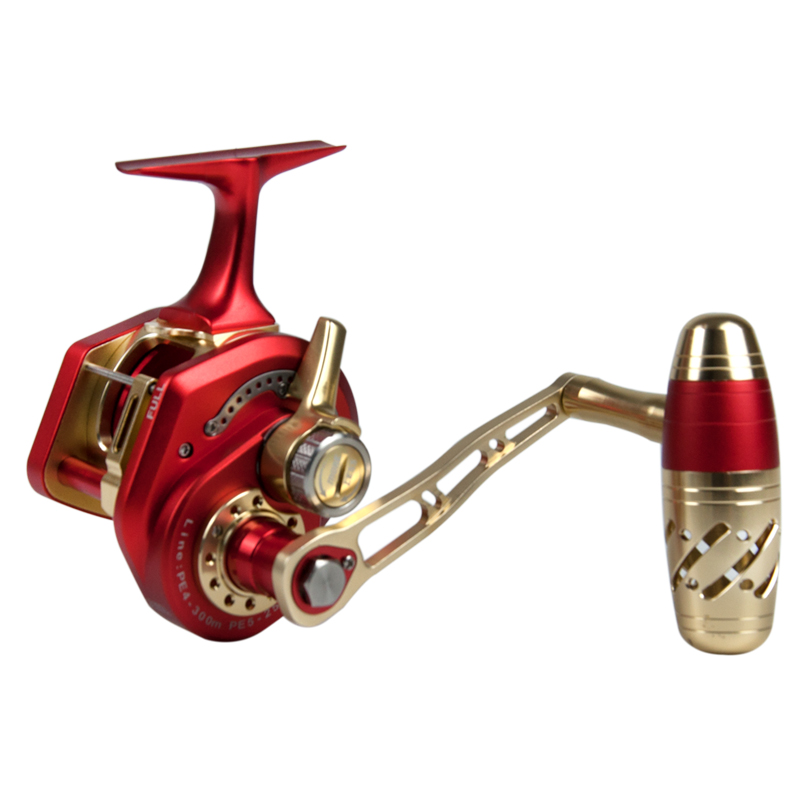
What Is Gear Ratio on a Jigging Reel?
The gear ratio of a jigging reel describes how many times the spool rotates for each complete turn of the handle. It is one of the key specifications that affects retrieve speed, line recovery, torque, and overall jigging performance.
A higher gear ratio generally allows the reel to retrieve line faster. A lower gear ratio usually provides more mechanical advantage when you need to turn the handle under heavy resistance. Understanding this difference can help you choose a reel that matches your jigging technique and target species.
How a Fishing Reel Gear Ratio Works
A fishing reel’s gear ratio compares the rotation of the spool with the rotation of the handle. For example, a 6.3:1 gear ratio means the spool makes approximately 6.3 rotations for every one complete turn of the handle.
This higher ratio allows the reel to pick up more line with each handle rotation. It can be useful when you need to quickly recover line after a jigging movement or when a fish swims toward the boat.
However, retrieve speed comes with a trade-off. Higher gearing generally reduces mechanical advantage under heavy loads. When you retrieve a heavy jig or fight a powerful fish, the handle can require more effort. A lower gear ratio sacrifices some retrieve speed but can make heavy cranking easier by providing greater torque.
For this reason, gear ratio should match your fishing technique rather than simply favoring the highest number. Fast jigging often benefits from quick line recovery, while heavy-load applications may benefit from more cranking power.
High Gear Ratio vs Low Gear Ratio
High- and low-gear-ratio jigging reels each have specific advantages. The right choice depends on how you work your jig and the amount of resistance you expect during the fight.
| Feature | High Gear Ratio | Low Gear Ratio |
| Retrieve speed | Faster | Slower |
| Line recovery | Faster | Slower |
| Torque | Generally lower | Generally higher |
| Heavy jig retrieval | More demanding | Easier |
| Speed jigging | Excellent | Less suitable |
| Heavy-load fighting | Can require more effort | More mechanical advantage |
A high gear ratio jigging reel works well when fast retrieves and rapid line recovery are priorities. It is particularly useful for speed jigging, where anglers need to move the jig quickly and recover line efficiently.
A low gear ratio jigging reel focuses more on cranking power. It can make heavy jig retrieval and fish fighting easier when the reel faces significant resistance. This makes lower gearing useful for situations where torque matters more than maximum retrieve speed.
Ultimately, neither gear ratio is universally better. Choose the ratio that provides the right balance of speed and power for your jigging technique, lure weight, fishing depth, and target species.
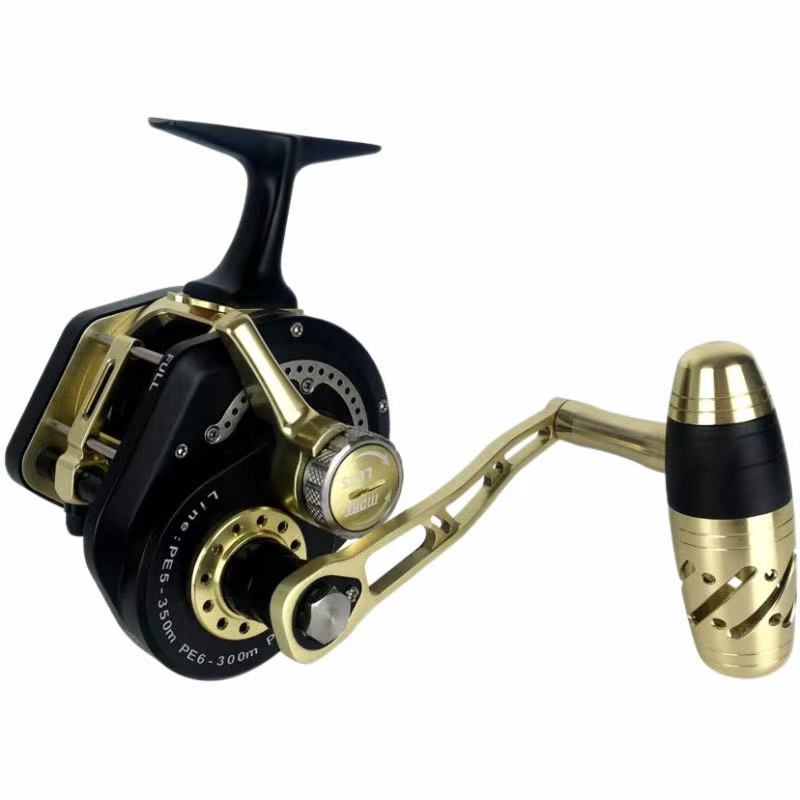
How Gear Ratio Affects Jigging Reel Performance
Gear ratio has a direct effect on how a jigging reel performs throughout a fishing session. It influences how quickly you recover line, how precisely you control the jig, and how much effort you need when the reel works under load. Choosing the right ratio can make active jigging more efficient and comfortable.
Retrieve Speed
Fast line recovery is valuable when jigging because anglers often need to move the jig through different parts of the water column and quickly regain line between movements. A high gear ratio jigging reel retrieves more line with each turn of the handle, which helps reduce the time between jigging actions.
Fast retrieval also helps when you need to pick up slack line. Slack can develop after a jig movement or when the fish suddenly changes direction. If the fish swims toward the boat, a fast reel lets you recover line quickly and maintain tension. This helps you stay connected to the fish and respond more effectively during the fight.
For anglers who rely on rapid jig movements or frequent line recovery, retrieve speed can therefore become an important advantage.
Jig Control
Gear ratio also affects jig control. Your retrieve speed helps determine how quickly the jig moves through the water and how it responds to your rod movements.
A higher gear ratio allows you to retrieve line quickly and create faster jig movements. This can work well for speed jigging, where rapid lure movement and quick line recovery are important. It also gives anglers more control when they need to change the jig’s presentation quickly.
A lower gear ratio produces a slower retrieve. This can suit techniques that require more controlled movements rather than rapid line recovery. The key is to match the reel’s retrieve characteristics with the action you want from the jig.
During vertical jigging, active lure control matters because the angler continuously combines rod movement and reel retrieval. The right gear ratio makes it easier to maintain a consistent rhythm and present the jig as intended.
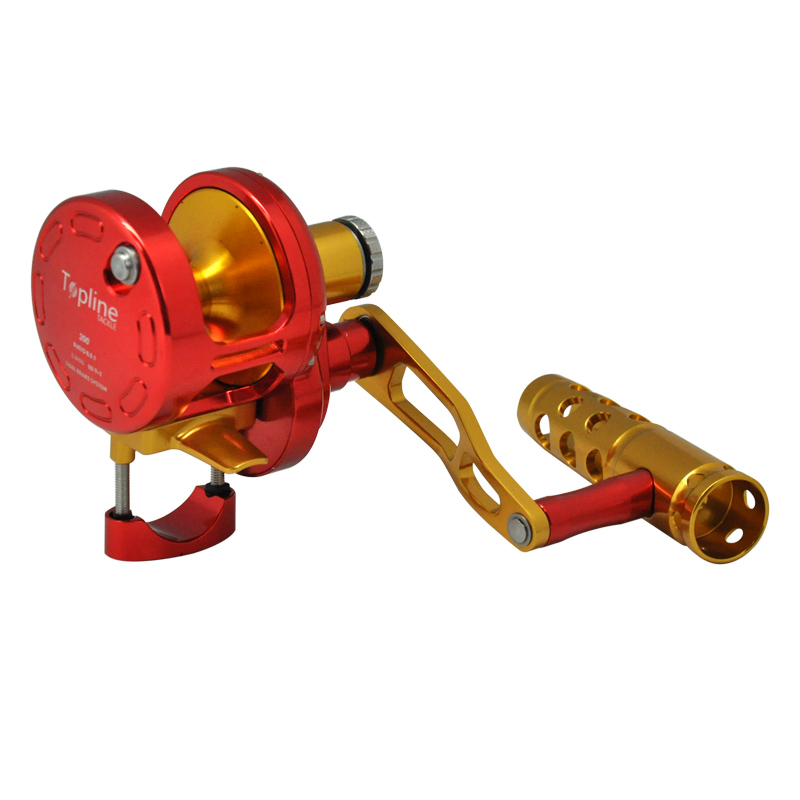
Torque and Power Under Load
Gear ratio involves a trade-off between speed and torque. Higher gearing generally increases retrieve speed, but it can reduce mechanical advantage when the reel faces heavy resistance. Lower gearing sacrifices some speed but generally provides more cranking power.
This difference becomes important when retrieving heavy jigs or fighting powerful fish. A lower gear ratio can make it easier to turn the handle when the reel is under significant load. This can help anglers maintain pressure without putting as much effort into each crank.
However, gear ratio alone does not determine a reel’s actual performance. Anglers should also consider gear strength, spool design, handle length, retrieve rate, drag performance, and reel construction. A reel with a high gear ratio may still perform well under load if its overall design provides sufficient power and efficiency.
Instead of choosing a reel based only on the gear ratio number, consider how much line the reel actually retrieves and how easily you can turn the handle when fishing under realistic conditions.
Fatigue During Long Jigging Sessions
Jigging often requires repeated rod movements and reel retrieves, so fatigue can become an important factor during long sessions. A high-speed reel can reduce the number of handle turns needed to recover line, but fast gearing may require more effort when you retrieve heavy jigs or fight strong fish under load.
Reel weight also affects comfort. A lightweight jigging reel can reduce fatigue during continuous vertical jigging, while a heavier reel may provide additional strength and line capacity. The handle length also matters because a longer handle can provide greater leverage when turning the reel under resistance.
These factors work together with gear ratio. A high gear ratio can prioritize speed, while a longer handle and efficient gearing can help improve cranking comfort. A lower gear ratio can provide more mechanical advantage, which may reduce effort during heavy-load retrieves.
For long jigging sessions, look for a combination of appropriate gear ratio, manageable reel weight, comfortable handle design, and sufficient cranking power. The best setup is not necessarily the fastest reel. It is the one that lets you maintain effective jig control without unnecessary fatigue.

What Is Drag Power on a Jigging Reel?
Drag power refers to the resistance a jigging reel applies to the fishing line as a fish pulls away. It plays a major role in controlling powerful fish, managing sudden runs, and maintaining steady pressure during a fight. For offshore and deep-sea jigging, the drag system needs to deliver enough pressure without sacrificing smoothness or consistency.
A reel with strong drag can help anglers control big fish, but maximum drag should not be the only specification you consider. The quality of the drag system, line strength, fishing technique, and target species all affect real-world performance.
What Does Maximum Drag Mean?
Maximum drag is the highest amount of resistance a reel’s drag system can produce under specified conditions. Manufacturers often list this figure in kilograms or pounds. For example, a reel advertised with 30 kg of maximum drag can theoretically generate up to 30 kg of drag pressure under its rated test conditions.
Manufacturers highlight maximum drag because it provides a simple way to compare reel power. A higher number can indicate that a reel is designed for demanding applications and powerful fish. It can also attract anglers who target large offshore species.
However, maximum drag is not the same as usable drag. You may rarely fish at the reel’s maximum rating. More importantly, a reel needs to maintain smooth and consistent pressure as the drag setting increases. A high maximum number has limited value if the drag becomes rough, inconsistent, or difficult to control under load.
For this reason, look beyond the maximum drag rating when evaluating a jigging reel.
Maximum Drag vs Usable Drag
Usable drag describes the amount of drag pressure an angler can apply effectively and consistently during actual fishing. Several factors determine whether a drag system provides useful pressure.
- Smoothness: A smooth drag applies pressure without sudden jumps or sticking. This helps maintain steady tension throughout the fight.
- Consistency: The drag should deliver predictable pressure as the fish runs and changes direction. Consistent performance gives anglers better control.
- Heat management: Long fights can generate heat inside the drag system. Good heat management helps maintain reliable performance during sustained pressure.
- Drag performance under sustained pressure: A drag system should continue working effectively during extended fights rather than losing consistency as the load increases.
- Practical fishing conditions: Water depth, line strength, target species, structure, and fishing technique all influence how much drag you can realistically use.
A reel with a slightly lower maximum drag but a smooth and dependable system can therefore outperform a reel with a much higher advertised rating in practical fishing situations.
Why Smooth Drag Matters
Smooth drag is essential when fighting powerful fish because line tension can change quickly. A sudden increase in resistance can place excessive stress on the main line, leader, knots, and hooks. A smooth drag helps absorb these changes and keeps pressure more controlled.
This becomes especially important when a fish makes a powerful run. Instead of locking the line against sudden movement, the drag allows controlled line release while maintaining pressure. When the fish suddenly changes direction or accelerates, smooth drag can also reduce the risk of abrupt tension spikes.
Smooth drag also supports hook retention and fish control. Excessive or inconsistent pressure can increase the chance of pulling the hook or breaking the line. At the same time, insufficient pressure may allow a strong fish to gain too much line, especially around reefs, rocks, and other structure.
For jigging reel performance, the goal is not simply to achieve the highest possible drag. The better goal is to achieve smooth, consistent, and usable drag power that matches your line setup, target species, and fishing conditions.
How Drag Power Affects Jigging Reel Performance
Drag power directly affects how effectively a jigging reel can control a powerful fish. A suitable drag system lets you maintain steady pressure without putting unnecessary stress on the line and tackle. This becomes especially important when targeting large offshore species or fishing near heavy structure.
Controlling Powerful Fish
When a fish makes a run, the drag controls how much resistance it feels as it pulls line from the reel. A properly adjusted drag applies steady and controlled pressure. This helps slow the fish while reducing sudden changes in line tension.
Powerful species such as big tuna, amberjack, grouper, and giant trevally can put significant pressure on your tackle. They may accelerate quickly, change direction, or make repeated runs. A strong and smooth drag helps you maintain pressure throughout the fight.
However, more drag does not always mean better control. You need enough pressure to manage the target species without exceeding the practical limits of your line, leader, rod, or hooks. The goal is to find a balance between stopping power and tackle protection.
For big-fish jigging, consider both the reel’s maximum drag and how smoothly it performs at the drag setting you actually plan to use.
Fighting Fish Around Structure
Drag power becomes even more important when you fish near reefs, rocks, wrecks, and deep structure. These areas provide cover where powerful fish can quickly cut or break your line.
A grouper, amberjack, or giant trevally may head toward structure immediately after taking the jig. If you allow the fish to gain too much line, it can reach rocks, wrecks, or other obstacles before you regain control.
In these situations, anglers often need enough drag power to slow the fish and turn its direction before it reaches cover. Strong drag, combined with a powerful rod and suitable line, can give you more control during the first moments of the fight.
Still, the reel should not carry the entire load. Your tackle system needs to work together. Excessive drag can place unnecessary stress on weak components and increase the risk of line breaks or tackle failure.
Drag Power and Line Strength
The ideal drag setting depends on the entire tackle system, not just the reel’s maximum rating. A reel may advertise extremely high drag power, but you should not automatically fish at that maximum level.
Start by considering your:
- Main line: Check its strength and condition. Your drag should suit the line’s practical working limits.
- Leader: The leader must handle the pressure generated during the fight, especially when fishing around structure.
- Rod power: A heavy drag setting requires a rod capable of handling the resulting load.
- Hooks: Strong hooks are essential when you apply high pressure to powerful fish.
- Target species: Different fish have different levels of strength, speed, and fighting behavior.
For example, fishing for a powerful amberjack around deep structure can demand a different drag setup from targeting a pelagic fish in open water. The target species, environment, and tackle all influence the amount of pressure you can use effectively.
The key is to choose usable drag power that matches your complete tackle system. A balanced setup gives you better control and reliability than simply choosing the jigging reel with the highest advertised maximum drag.
Gear Ratio vs Drag Power: Which Is More Important?
When choosing a jigging reel, anglers often compare gear ratio and drag power as if one specification must be more important than the other. In reality, they affect different parts of the fishing experience.
Gear ratio mainly affects retrieve speed, line recovery, jig control, and cranking characteristics. Drag power focuses on controlling the fish once it takes the jig. The better choice depends on how you fish, what species you target, and the conditions you face.
When Gear Ratio Matters More
Gear ratio becomes especially important when your fishing style requires fast and frequent line retrieval.
Speed jigging is a good example. This technique often requires rapid jig movements and quick recovery between drops. A higher gear ratio can help you retrieve more line with each handle turn, making it easier to maintain an active jigging rhythm.
Gear ratio also matters for fast jig presentation. If you want the jig to move quickly through the water column, a faster retrieve can make lure control more efficient.
Consider gear ratio as a priority when you frequently need:
- Speed jigging with rapid lure movements
- Fast jig presentation through the water column
- Frequent lure retrieval between drops
- Deep-water line recovery after a long drop
- Active vertical jigging that requires continuous rod and reel movement
A faster reel can also help when a fish swims toward the boat. Quick line recovery allows you to pick up slack and maintain contact with the fish.
However, high gearing can require more effort when you retrieve heavy jigs or fight fish under heavy resistance. For this reason, retrieve speed should always balance with the reel’s cranking power.
When Drag Power Matters More
Drag power becomes a higher priority when you need to control large, powerful fish or stop them from reaching structure.
Large tuna, amberjack, grouper, giant trevally, and other strong offshore species can generate significant pulling force. A strong, smooth drag helps you maintain pressure and manage powerful runs.
Drag power also matters when fishing around structure. Reefs, rocks, wrecks, and deep structure can give fish places to escape. You may need sufficient drag pressure to slow the fish quickly and prevent it from reaching cover.
Consider drag power as a priority when you regularly face:
- Large and powerful fish
- Fishing around reefs, rocks, and wrecks
- Heavy tackle and large jigs
- High-pressure fights where you need consistent stopping power
- Offshore big-game jigging for strong species
Even in these situations, the highest advertised drag is not automatically the best choice. The drag should remain smooth and consistent at the pressure you actually use.
Why You Need Both
Gear ratio and drag power perform different jobs, but a quality jigging reel needs both.
Gear ratio determines how efficiently you retrieve line. It affects how quickly you recover line, work the jig, and respond when a fish changes direction.
Drag determines how effectively you control the fish. It provides resistance when the fish runs and helps you maintain pressure during the fight.
A reel with a fast gear ratio but insufficient drag may retrieve line quickly but struggle to control a powerful fish. On the other hand, a reel with extremely strong drag but gearing that does not suit your technique may feel inefficient during active jigging.
The best setup therefore combines appropriate retrieve characteristics with usable drag power. Match the gear ratio to your jigging technique, then make sure the drag can handle your target species and fishing environment. Also consider line capacity, gear strength, handle design, reel weight, and overall tackle compatibility.
In simple terms, gear ratio helps you work the jig and recover line, while drag power helps you control the fish. The right balance between the two will give you better jigging reel performance than simply choosing the highest number in either specification.
Choosing the Right Gear Ratio for Different Jigging Techniques
The best jigging reel gear ratio depends heavily on how you fish. Different jigging techniques place different demands on retrieve speed, line recovery, and cranking power. A ratio that works well for fast jigging may not provide the same advantages for slow pitch or heavy deep-water applications.
Instead of choosing a reel based only on the highest gear ratio, consider the jig’s weight, fishing depth, target species, and how actively you need to control the lure.
Speed Jigging
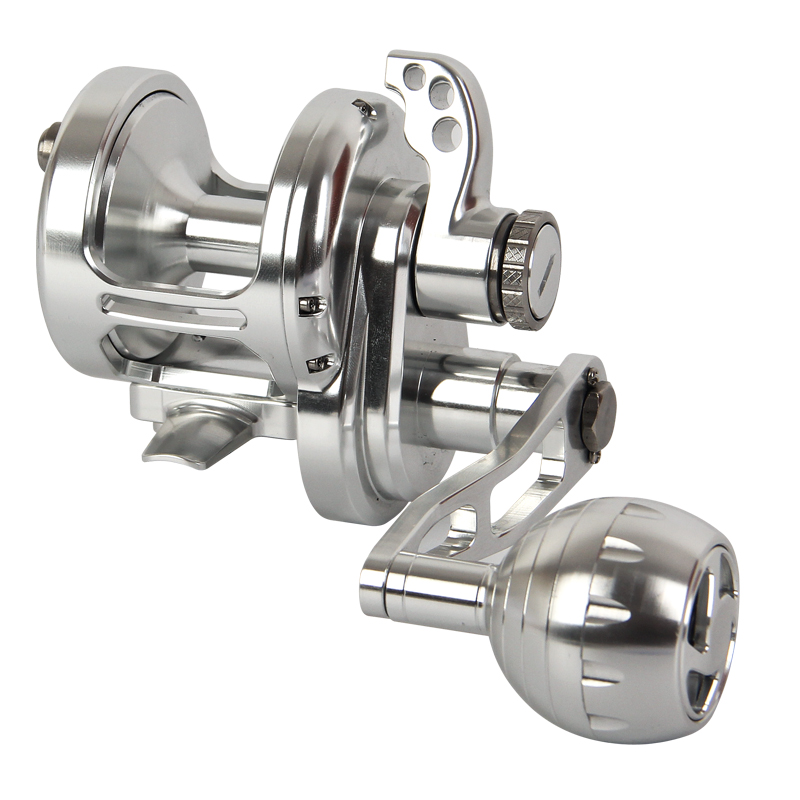
Speed jigging relies on rapid lure movement and frequent line recovery. Anglers often work the jig aggressively through the water column, so a fast retrieve can make the technique more efficient.
A high gear ratio jigging reel can recover more line with each turn of the handle. This helps you quickly bring the jig back up after a drop and maintain a fast jigging rhythm. It also helps remove slack when a fish strikes or moves toward the boat.
Fast gearing works particularly well when you need:
- Rapid jig movement
- Fast line recovery
- Frequent drops and retrieves
- Quick response after a strike
- Active vertical lure control
However, extremely fast gearing can require more effort when you retrieve heavy jigs or fight powerful fish. Make sure the reel still provides enough cranking power for your target application.
Slow Pitch Jigging
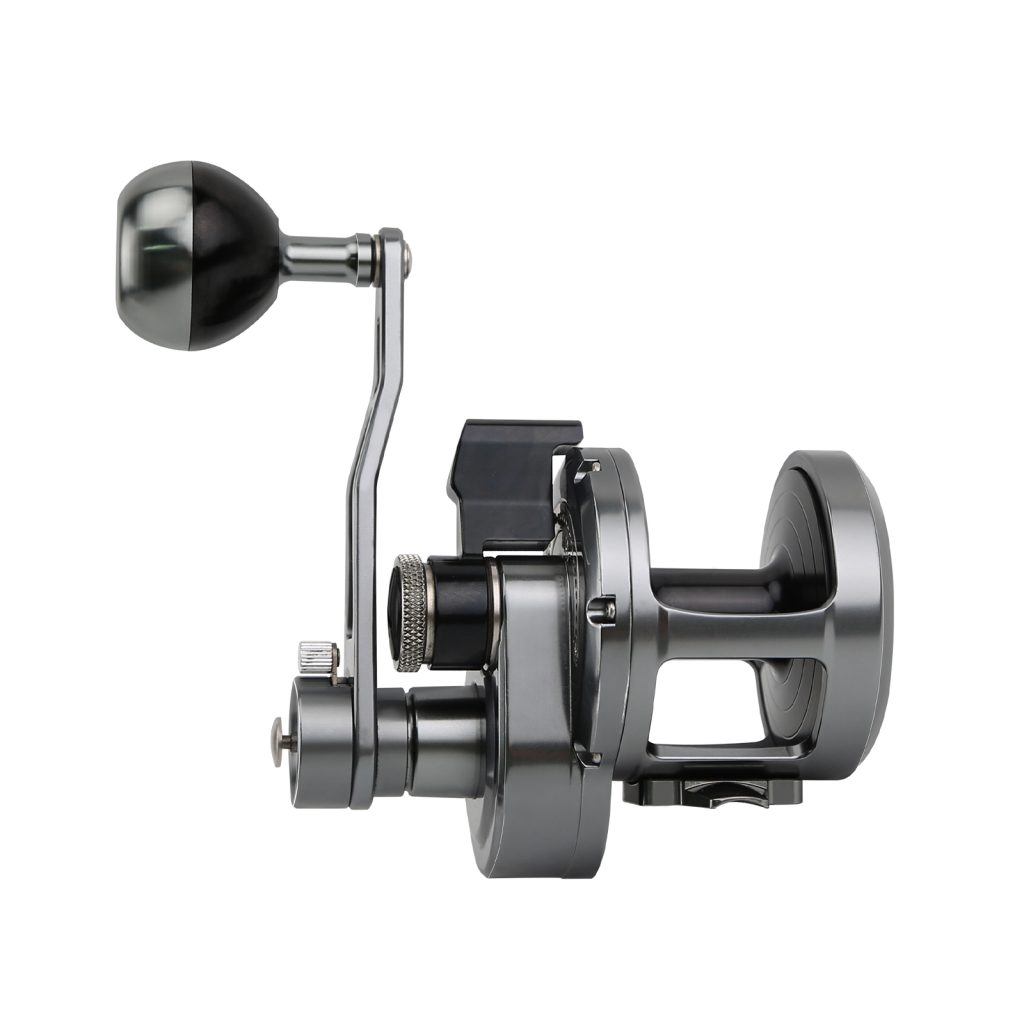
Slow pitch jigging uses a different approach. Instead of relying on constant high-speed retrieval, anglers focus on controlled rod movements, precise jig actions, and deliberate changes in retrieve speed.
Because the technique depends heavily on controlled movement, a very high gear ratio does not always provide an advantage. The reel should offer retrieve characteristics that complement the angler’s rhythm and the specific slow pitch technique.
A suitable slow pitch jigging reel should allow you to:
- Maintain precise jig control
- Recover line smoothly
- Change retrieve speed easily
- Maintain contact with the jig
- Reduce unnecessary effort during repeated movements
Technique-specific gearing can make it easier to create the intended jig presentation. The ideal ratio depends on the jig weight, depth, target species, and personal fishing style.
Deep-Water Jigging
Depth adds another consideration when choosing a jigging reel gear ratio. The deeper you fish, the more line you may have outside the reel. This can make efficient line recovery especially important.
A fast gear ratio can help recover large amounts of line more quickly after a deep drop. It can also help when a fish moves upward or toward the boat, creating slack in the line.
However, deep-water jigging often involves heavy jigs and significant resistance. This makes torque equally important. A reel that retrieves line quickly but lacks sufficient cranking power can become difficult to operate under heavy load.
For deep-water applications, balance:
- Retrieve speed
- Line recovery
- Torque
- Jig weight
- Fishing depth
- Target species
The right combination allows you to recover line efficiently without sacrificing the power needed to handle heavy resistance.
Heavy Jigging for Big Fish
When heavy jigging for big fish, torque becomes increasingly important. Large jigs create significant resistance, while powerful fish can place substantial loads on the reel during the fight.
A lower or moderate gear ratio can provide greater mechanical advantage and make heavy cranking easier. However, that does not mean you should automatically choose the lowest ratio available. You still need enough retrieve speed to recover line efficiently and maintain control during the fight.
Gear ratio should work together with other reel features. Drag power helps control the fish, while handle design affects cranking leverage and comfort. Strong gears help the reel handle heavy loads without sacrificing reliability.
When selecting a reel for heavy jigging, consider the complete system:
- Gear ratio: Balance retrieve speed and torque.
- Drag: Provide smooth, usable pressure for the target species.
- Handle design: Provide sufficient leverage for heavy cranking.
- Gear strength: Support repeated high-load retrieves.
- Line capacity: Hold enough line for the fishing depth and expected runs.
For big-fish jigging, the goal is not maximum gear ratio or maximum drag in isolation. Choose a combination of speed, torque, drag power, and mechanical strength that matches your target species and fishing conditions.
Other Jigging Reel Features That Affect Performance
While gear ratio and drag power play major roles in jigging reel performance, they are not the only factors that matter. Line capacity, internal construction, handle design, weight, and corrosion resistance can all affect how a reel performs on the water. These features become especially important when you fish deep water, target powerful species, or spend long hours jigging.
Line Capacity
Line capacity determines how much fishing line a reel can hold. It becomes especially important for deep-water jigging, where anglers may need to drop jigs hundreds of feet below the boat.
A reel with sufficient capacity gives you enough line for deep drops and unexpected fish runs. Large fish can quickly take line during a powerful run, so having an adequate line reserve can prevent you from reaching the end of the spool.
When comparing jigging reels, pay attention to PE line capacity rather than looking only at the total line length. For example, a reel may hold more meters of PE 4 line than PE 6 because thicker line takes up more spool space.
Choose line capacity based on:
- Fishing depth
- Main line size
- Target species
- Expected fish runs
- Jigging environment
Gear and Internal Construction
The reel’s internal construction determines how well it handles repeated loads. Strong gears can transfer power efficiently when you retrieve heavy jigs or fight powerful fish.
Frame rigidity also matters. A rigid frame helps keep the reel’s internal components properly aligned under pressure. This can support smoother operation and more efficient power transfer during heavy-load fishing.
For offshore and big-fish applications, look for a reel with:
- Strong internal gears
- Rigid frame construction
- Durable bearings and components
- Reliable performance under heavy loads
A well-built saltwater jigging reel should handle repeated pressure without excessive flex or loss of mechanical efficiency.
Handle Design
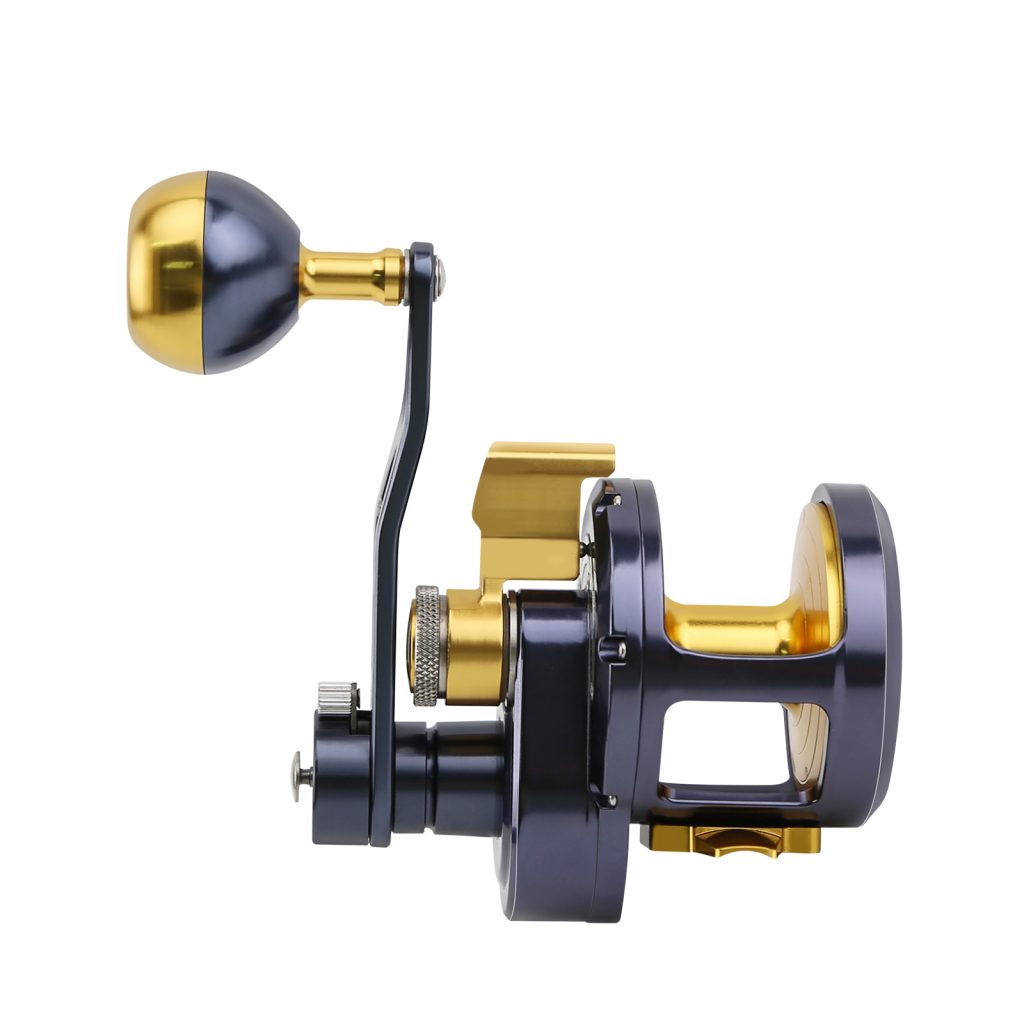
The handle directly affects how easily you can generate cranking power. Handle length is particularly important when you retrieve heavy jigs or fight strong fish.
A longer handle generally provides greater leverage, which can make heavy cranking easier. A shorter handle can feel quicker and more responsive during active jigging. The best choice depends on the balance between speed, power, and technique.
Ergonomics also matter during long fishing sessions. A comfortable handle grip can reduce hand fatigue and give you better control when applying pressure.
For heavy jigging, consider:
- Handle length
- Grip shape and comfort
- Cranking leverage
- Handle rigidity
- Power under load
The handle should complement the reel’s gear ratio and drag system rather than work against them.
Reel Weight
Reel weight can have a noticeable effect during active jigging. Anglers repeatedly lift the rod, move the jig, and retrieve line, so a heavy setup can increase fatigue over time.
A lightweight reel can make continuous vertical jigging more comfortable. It can also improve the overall balance of the rod and reel combination. However, reducing weight should not come at the expense of the strength and line capacity you need.
For aggressive jigging, aim for a practical balance between low weight and sufficient power. A slightly heavier reel may make sense when you need stronger gears, greater drag capacity, or more line capacity for big fish.
Corrosion Resistance
Corrosion resistance is essential for saltwater jigging. Saltwater, moisture, and salt deposits can affect the reel’s frame, gears, bearings, drag components, and other metal parts.
A quality saltwater jigging reel should use corrosion-resistant materials and protective components where possible. Sealed or protected bearings and drag components can also help reduce exposure to salt and moisture.
However, corrosion resistance does not eliminate the need for maintenance. Rinse the reel with fresh water after saltwater trips and follow the manufacturer’s maintenance recommendations.
When evaluating a reel for offshore use, consider both its materials and component protection. Good corrosion resistance can help preserve reel performance and extend service life in demanding saltwater conditions.
Ultimately, the best jigging reel combines appropriate line capacity, strong construction, comfortable handling, manageable weight, and corrosion resistance with the right gear ratio and drag power. Looking at the complete reel design will help you choose equipment that performs reliably in real fishing conditions.
Common Mistakes When Choosing a Jigging Reel
Choosing the right jigging reel involves more than comparing numbers on a product page. Gear ratio, maximum drag, line capacity, and construction all affect performance, but they must match your fishing style and target species. Avoid these common mistakes when selecting a jigging reel.
Choosing the Highest Gear Ratio
A higher gear ratio does not always mean better performance. A fast reel can retrieve line quickly, which helps with speed jigging and situations that require rapid lure movement. However, high-speed reels may provide less cranking power under heavy loads.
For slow pitch jigging or deep-water fishing, a lower or moderate gear ratio may offer better control and torque. Choose a gear ratio based on your jigging technique, target depth, lure weight, and target species, rather than simply choosing the highest number.
Choosing the Highest Maximum Drag
A high maximum drag rating can look impressive, but it does not necessarily mean the reel offers better usable drag. What matters is how smoothly and consistently the drag performs throughout the fight.
A good jigging reel should deliver smooth drag pressure without sudden surges or excessive friction. It should also maintain consistent performance when a powerful fish makes a long run. Consider drag smoothness, heat management, adjustment range, and durability, not just the maximum drag figure.
Ignoring Line Capacity
Line capacity is another specification that anglers sometimes overlook. A powerful reel can still be unsuitable if it cannot hold enough line for the intended fishing conditions.
Deep-water jigging often requires substantial line capacity, especially when using heavier PE lines. You also need enough reserve line to handle long runs from strong fish. Check the reel’s PE line capacity and match it to your fishing depth, line diameter, and target species before buying.
Ignoring the Fishing Technique
Different jigging techniques place different demands on a reel. Speed jigging often benefits from fast line retrieval and responsive operation. Slow pitch jigging requires precise lure control and smooth handling during repeated rod movements. Deep-water jigging places greater demands on line capacity, drag performance, and cranking power.
Think about how you actually fish before choosing a reel. The best reel for one technique may not perform as well for another.
Focusing Only on Reel Specifications
Reel specifications are useful, but they do not tell the entire story. A jigging reel works as part of a complete fishing system that includes the rod, main line, leader, hooks, and jig.
For example, a powerful reel paired with an unsuitable rod may reduce sensitivity and handling. An oversized reel can also make a lightweight setup uncomfortable during long jigging sessions. Consider the balance, line strength, lure weight, and overall setup to ensure every component works together.
The goal is not to find the reel with the biggest numbers. Instead, choose a jigging reel whose gear ratio, drag, line capacity, and construction match your fishing technique and complete tackle system.
How to Choose the Best Gear Ratio and Drag Power for a Jigging Reel
Choosing the right gear ratio and drag power for a jigging reel starts with your fishing conditions. Instead of choosing the fastest reel or the highest drag rating, work through the following checklist.
1. Identify the Target Species
Start with the fish you plan to catch. Small and medium species usually do not require the same drag power as tuna, amberjack, grouper, or other powerful saltwater fish. Consider the fish’s size, fighting style, and typical running distance.
2. Determine the Jigging Technique
Match the reel to your technique. Speed jigging often benefits from a higher gear ratio and fast line retrieval. Slow pitch jigging usually favors smooth operation, precise control, and suitable cranking power. Deep-water jigging may require stronger gearing and greater line capacity.
3. Consider Fishing Depth
Fishing depth affects both line capacity and retrieval speed. Deep water requires enough line to reach the bottom while leaving sufficient reserve for a strong fish. A reel with the right gear ratio can also make long retrieves less tiring.
4. Select an Appropriate Gear Ratio
Choose the gear ratio based on lure movement and retrieval needs. A high gear ratio retrieves line quickly, making it useful for fast jigging and rapid lure recovery. A moderate or lower ratio can provide more torque for heavy jigs and powerful fish.
Do not assume that a higher ratio is always better. Speed and cranking power involve trade-offs, so choose the ratio that fits your technique.
5. Determine the Required Usable Drag
Look beyond the maximum drag number. Focus on the drag pressure you can use smoothly and consistently during a fight.
Consider your target species, line strength, leader strength, and rod power. The reel should provide enough usable drag to control the fish without exceeding the limits of the rest of your tackle.
6. Check Line Capacity
Make sure the spool holds enough line for your fishing depth and target species. Check the manufacturer’s PE line capacity when available. Also allow enough extra line for long runs and unexpected situations.
A reel with excellent drag and strong gears is still a poor choice if it cannot carry enough line.
7. Match the Reel to the Rod and Line
Your reel should balance properly with the rod. Match its drag range and line capacity with the rod’s power and the breaking strength of your main line and leader.
A well-balanced setup improves control and reduces unnecessary fatigue during long jigging sessions.
8. Consider Weight and Ergonomics
Jigging involves repeated rod and reel movements, so weight matters. A heavy reel can become tiring during extended sessions. Check the handle length, knob shape, grip, retrieve feel, and overall balance.
Choose a reel that feels comfortable when you repeatedly lift, drop, and retrieve the jig.
9. Check Gear Strength and Construction
Heavy jigging puts significant pressure on the internal gears and frame. Look for a rigid frame, durable gears, a reliable drag system, and components designed for heavy loads.
Strong construction helps the reel maintain smooth operation when you fight powerful fish.
10. Consider Saltwater Corrosion Resistance
Saltwater can quickly damage exposed metal components. Choose a saltwater jigging reel with corrosion-resistant materials, sealed or protected components, and appropriate surface treatments.
Regular rinsing and maintenance still matter, even with a corrosion-resistant reel.
Quick Decision Checklist
Before buying a jigging reel, ask:
- Target species: How large and powerful are the fish?
- Technique: Speed jigging, slow pitch, or deep-water jigging?
- Depth: How much line will you need?
- Gear ratio: Do you need faster retrieval or more cranking power?
- Usable drag: Can the reel provide smooth pressure suitable for your line and target?
- Line capacity: Is there enough PE line capacity with sufficient reserve?
- Compatibility: Does the reel match your rod, main line, leader, and jigs?
- Ergonomics: Is the weight and handle design comfortable for extended use?
- Construction: Can the gears and frame handle your intended loads?
- Corrosion resistance: Is the reel designed for regular saltwater use?
The best jigging reel gear ratio and drag power depend on the complete fishing setup. Match these specifications to your technique, depth, target species, and tackle rather than choosing the highest numbers available.
FAQ About Jigging Reel Gear Ratio and Drag Power
What is the best gear ratio for a jigging reel?
There is no single best gear ratio for every jigging application. A higher gear ratio suits techniques that need fast line retrieval, while a moderate or lower ratio can provide more cranking power. Choose the ratio based on your jigging technique, target species, lure weight, and fishing depth.
Is a higher gear ratio better for jigging?
Not always. A high gear ratio retrieves line faster, but it can require more effort when fighting a powerful fish or working a heavy jig. For many anglers, the best choice balances retrieval speed and cranking power rather than maximizing gear ratio.
How much drag should a jigging reel have?
The required drag depends on the target species and the strength of your line, leader, and rod. Large, powerful fish require more usable drag than smaller species. As a general approach, choose a reel that can provide smooth drag pressure within the working range of your complete tackle system.
Is higher drag always better?
No. A high maximum drag rating does not automatically mean better performance. Excessive drag can put too much pressure on the line, leader, knots, rod, or hooks. Focus on smooth, consistent, and controllable drag power rather than the highest maximum rating.
What is the difference between gear ratio and retrieve speed?
Gear ratio describes how many times the spool or rotor turns for each turn of the handle. Retrieve speed refers to how much line the reel actually recovers with each handle turn.
Spool diameter and spool design also affect retrieve speed. Two reels with the same gear ratio can therefore have different line-recovery rates.
What gear ratio is best for speed jigging?
A higher gear ratio is often a good choice for speed jigging because it allows you to recover line quickly and maintain rapid jig movement. The ideal ratio still depends on lure weight, target depth, spool size, and target species.
What gear ratio is best for slow pitch jigging?
Slow pitch jigging generally benefits from a moderate gear ratio that offers good control and sufficient cranking power. The exact choice depends on the jig weight, depth, target species, and angler preference. Smooth operation and precise lure control often matter more than maximum retrieval speed.
How does drag affect fighting big fish?
Drag controls how much resistance a fish feels when it pulls line from the reel. A properly adjusted drag helps protect the line and leader while applying steady pressure to tire the fish.
For big fish, a strong and consistent drag system can help you maintain pressure during long runs and close-range battles. However, the drag must stay within the limits of the entire tackle system.
What is the best jigging reel for big fish?
The best jigging reel for big fish should combine strong gears, a rigid frame, adequate line capacity, smooth usable drag, and good corrosion resistance. Gear ratio also matters. Choose a higher ratio when fast recovery is important, or a lower ratio when you need more cranking power.
The right reel should match the target species, fishing depth, jig weight, rod, line, and leader.
Does line capacity affect jigging reel performance?
Yes. Line capacity directly affects how deep you can fish and how much reserve line you have when a powerful fish makes a long run.
Deep-water jigging often requires greater line capacity. Make sure the reel can hold enough PE line for your intended depth while leaving sufficient capacity for unexpected runs. A reel with strong drag and gears is still unsuitable if its spool does not hold enough line.
Final Verdict: Balancing Gear Ratio and Drag Power
So, what matters more: gear ratio or drag power? The answer depends on how and where you fish. Neither specification is better on its own. The best jigging reel balances both to suit your fishing technique and target species.
Gear ratio primarily affects retrieve speed, line recovery, jig control, and torque. A higher ratio can help you recover line quickly and maintain fast jigging actions. A lower or moderate ratio can provide more cranking power when working heavy jigs or fighting strong fish.
Drag power primarily affects fish control and stopping power. A strong, smooth drag helps you maintain steady pressure and control powerful fish. However, the highest maximum drag rating does not always provide the best real-world performance. Usable drag, smoothness, and consistency matter more.
For active and fast jigging, prioritize suitable retrieve speed, responsive handling, and comfortable operation. For powerful fish and heavy-load applications, place more emphasis on strong, smooth, and usable drag performance.
Do not evaluate either specification independently. The reel also needs sufficient line capacity, strong gears, manageable weight, and durable construction. It should work well with your rod, main line, leader, and jig.
The key principle is simple: choose the combination that matches your fishing technique and target species, rather than simply choosing the highest numbers.
-
Sale!

-
Sale!

-
Sale!

-
Sale!
