
1. Introduction
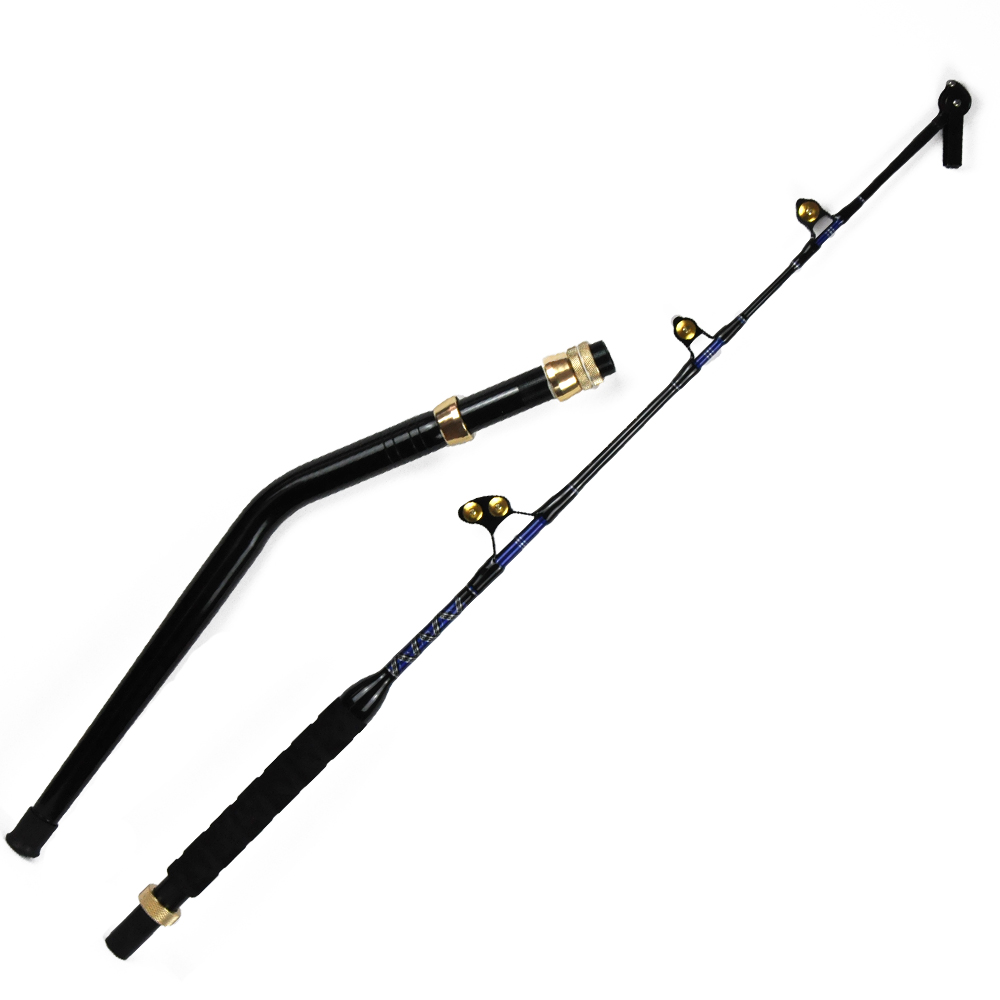
Saltwater fishing isn’t just freshwater fishing with bigger fish—it’s an entirely different game. The ocean environment is tough on gear. Salt, sand, and strong fish can quickly destroy equipment that’s not built for the job. That’s why choosing the right saltwater fishing rod is more than a preference—it’s a necessity.
A saltwater-ready fishing rod is designed to handle these unique challenges. From corrosion-resistant materials to reinforced strength, every part of the rod serves a specific purpose. If you want better performance, longer-lasting gear, and fewer headaches on the water, you need a rod built for salt.
In this guide, we’ll break down the key features that make a rod truly “saltwater-ready”—so you know exactly what to look for before your next trip to the coast.
2. The Harsh Realities of Saltwater Fishing
Saltwater fishing puts your gear to the test. Unlike freshwater, the ocean is full of elements that wear down equipment fast. Salt, sand, humidity, and constant exposure to sun and waves create a harsh environment.
One of the biggest threats is saltwater corrosion. Salt crystals cling to rods, guides, and reels, eating away at metal over time. If you’re not using corrosion-resistant fishing gear, you’ll likely see rust, weakened components, and reduced performance, sometimes after just one trip.
Freshwater gear often can’t handle these conditions. It may work for a while, but the ocean will eventually break it down. That’s why serious anglers rely on saltwater-specific rods built to survive the elements and stand up to strong fish.

3. Key Features of a Saltwater-Ready Fishing Rod
A true saltwater-ready fishing rod isn’t just tough—it’s built with the right components to handle the ocean’s challenges. These key features separate a quality saltwater rod from the rest.
a. Corrosion-Resistant Materials
Saltwater is unforgiving. It quickly damages rods made from the wrong materials. A proper saltwater rod uses corrosion-proof fishing rod components like stainless steel, anodized aluminum, or titanium. These metals don’t rust easily and hold up well over time. Many rods also have epoxy or protective coatings that create a barrier between salt and the blank. Choosing the right saltwater rod materials ensures your gear stays reliable trip after trip.
b. Stronger Blanks for Bigger Game
Saltwater fish hit harder and run longer. You need a rod that won’t fold under pressure. Look for high-tensile strength graphite or composite blanks. These materials add backbone and boost lifting power. A heavy-duty fishing rod can turn big fish without snapping, especially during long battles. When you’re targeting strong species like tuna, redfish, or tarpon, saltwater rod strength matters.
c. Durable Guides and Reel Seats
The guides and reel seat are small parts that do a big job. If they fail, the whole rod suffers. Look for sealed or coated guides, such as ceramic inserts or branded options like Fuji components. These reduce friction and prevent salt buildup. A good saltwater reel seat should lock tightly and resist corrosion. High-quality components here mean smoother casts and longer gear life. Don’t overlook durable rod guides when shopping.
d. Enhanced Grip and Handles
Saltwater fishing is wet, messy, and often intense. A firm grip helps you stay in control. Most saltwater rod handles use EVA foam or rubber grips because they offer traction, even when wet. These materials are also easy to clean and resist cracking under sunlight. Look for rods with longer butt sections too—they give you extra leverage during fights. A solid, non-slip fishing rod grip is a must-have.
e. Rod Length and Action Considerations
Rod choice depends on your fishing location and target species. Surf casters need long rods for distance. Inshore anglers prefer shorter, more accurate rods. Offshore fishers go for strength and control. Action also matters. Fast-action rods work well for quick hooksets, while moderate-action rods offer flexibility. Matching your rod’s length and action to your needs helps improve success. Know your style to find the best rod action for saltwater and the ideal saltwater rod length.
4. Common Mistakes When Choosing a Saltwater Rod
Choosing the wrong rod for saltwater fishing can ruin a trip and damage your gear. Many anglers make simple but costly errors. Here are the most common saltwater rod mistakes to avoid.
Using Freshwater Rods in Saltwater
This is one of the biggest problems. Freshwater rods aren’t made to handle salt, sand, or powerful fish. They often lack corrosion-resistant materials and strong enough blanks. Using them in saltwater can lead to rusted components, broken guides, and snapped rods. Always choose gear that’s built for the ocean.
Ignoring Reel Compatibility and Line Capacity
A strong rod means nothing if the reel doesn’t match. Make sure your rod and reel pair well in terms of size and purpose. The reel seat must fit securely, and the rod should handle the line strength you plan to use. If you mismatch them, you risk losing fish or damaging your setup. Pay attention to balance, line rating, and gear weight.
Skipping the Details
Some anglers skip over details like rod action, guide material, or handle comfort. These factors can make a big difference in performance. Take time to read specs and reviews before buying. Following these saltwater fishing gear tips will help you avoid frustration and get more out of every cast.

5. Maintenance Tips to Extend the Life of a Saltwater Rod
Saltwater is tough on gear, even if your rod is built to handle it. Proper care keeps it in top shape and saves you money over time. Follow these simple saltwater rod maintenance tips to protect your investment.
Rinse After Every Trip
Always rinse your rod with fresh water after each saltwater outing. Focus on guides, reel seats, and any exposed metal. Salt can dry and harden fast, leading to corrosion. A quick rinse prevents buildup and keeps your gear performing well.
Inspect for Wear and Damage
Check your rod regularly. Look for cracks in the blank, worn grips, or loose guides. Catching small issues early helps you avoid bigger problems later. If you see rust or corrosion starting, clean it right away.
Store It the Right Way
Don’t leave your rod in direct sunlight, a hot car, or a damp garage. Store it in a cool, dry place with good ventilation. Use a rod rack or hang it vertically to avoid warping. Keeping it dry and upright adds years to its life.
Use Products That Prevent Corrosion
Protective sprays and rod wipes made for fishing gear can help. Products like corrosion blockers or silicone sprays coat metal parts and keep salt from sticking. Just be sure to follow the instructions. These tools are a great part of any how-to clean fishing rod routine.
6. Best Saltwater Rods by Type
Choosing the right rod depends on where and how you fish. Each saltwater environment requires a different tool. Whether you’re casting from shore or battling offshore giants, there’s a rod built for the job. Here’s a quick breakdown of the best saltwater fishing rods by category.
Inshore Rods
Inshore fishing calls for shorter, lighter rods with precise control. Look for a 6’6” to 7’6” medium or medium-heavy rod with fast action.
Top Pick: St. Croix Mojo Inshore Spinning Rod – Lightweight, durable, and sensitive. Great for redfish, snook, and speckled trout.
Offshore Rods
Offshore rods must handle big fish, strong currents, and heavy tackle. Choose rods with strong blanks, heavy power, and quality guides.
Top Pick: Penn Carnage III Jigging Rod – Built for power and lifting strength. Ideal for tuna, amberjack, and grouper.
Surf Rods
Surfcasting requires long rods for distance and control in the waves. Rods between 9’ and 12’ offer excellent casting range and leverage.
Top Pick: Daiwa Emcast Surf Rod – Affordable, long-casting, and corrosion-resistant. Perfect for striped bass, bluefish, and pompano.
Kayak Rods
Kayak anglers need compact, maneuverable rods. Look for rods around 6’ to 7’, with strong but flexible blanks.
Top Pick: Ugly Stik Elite Spinning Rod – Tough, budget-friendly, and easy to handle in tight spaces. Great for a wide range of inshore species.
These top rods for saltwater 2025 offer the strength, durability, and performance anglers need in every environment. Match your rod to your fishing style for the best results.
7. Why Choose Us as Your Saltwater Rods Manufacturer?
When it comes to crafting high-quality saltwater rods, experience and dedication make all the difference. Here’s why we stand out as your trusted saltwater rods manufacturer:
Expertise in Saltwater Rod Materials: We use only corrosion-resistant metals, advanced graphite, and composite blanks designed specifically to withstand harsh saltwater conditions.
Precision Craftsmanship: Each rod undergoes strict quality control to ensure strength, durability, and performance on every cast.
Innovative Design: We stay ahead of industry trends to deliver rods with superior guides, reel seats, and grips that anglers love.
Custom Solutions: Whether you need inshore, offshore, surf, or kayak rods, we tailor production to meet your exact specifications and market needs.
Reliable Support: From product development to after-sales service, our team is here to help your brand succeed with top-tier gear.
Partner with us to deliver saltwater fishing rods that anglers trust and rely on—rods built to handle the toughest waters.

8. Conclusion
Investing in a true saltwater-ready fishing rod pays off every time you hit the water. It lasts longer, performs better, and handles the challenges of saltwater without breaking down. From corrosion-resistant materials to strong blanks and durable components, each feature adds value and reliability.
Don’t settle for gear that can’t handle the conditions. Choose a rod built for the job and take care of it properly.
Ready to upgrade your setup? Check out our full guide to the best saltwater fishing rods or browse our shop for expert-recommended gear.
-

-

-
Sale!
 Out of stock
-
Sale!
