
Introduction
Trout fishing is one of the most rewarding outdoor activities for both beginners and seasoned anglers. Whether you’re casting in a quiet mountain stream or a cold-water lake, the thrill of hooking a trout keeps people coming back. These fish are smart, fast, and often unpredictable—making every catch feel like a real achievement.
But success in trout fishing isn’t just about patience or luck. It often comes down to preparation—and that starts with having the right gear. Using the proper trout fishing gear can mean the difference between a frustrating day and a full creel.
In this guide, we’ll break down the trout fishing essentials you need to get started or level up your game. From rods and reels to bait and accessories, you’ll learn what to pack, why it matters, and how to choose the best gear for trout fishing based on your style and location.
II. Rod and Reel Selection
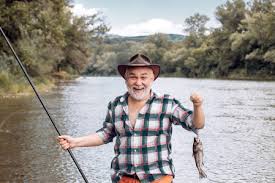
Choosing the right trout fishing rod and reel is the first step toward a successful day on the water. The wrong setup can make casting harder, reduce sensitivity, and cost you fish.
Rod Length and Action
For most trout fishing situations, a rod between 6 to 7 feet works best. Shorter rods give you more control in tight spaces like small streams. Longer rods help with casting distance on open lakes or rivers.
Look for a light or ultralight rod with fast action. This gives you the sensitivity to feel light bites and the speed to set the hook quickly.
Spinning Rods vs. Fly Rods
If you’re just starting out or fishing with bait or lures, a trout spinning rod is your best choice. It’s versatile, easy to use, and works well in most conditions. Spinning rods are also ideal for fishing in lakes, ponds, or slower rivers.
Fly rods, on the other hand, are designed for casting lightweight flies. They offer a more technical and artistic approach to trout fishing. Fly fishing shines in shallow streams and clear water where trout are more cautious.
Choose based on your style, location, and the kind of experience you want.
Best Reels for Trout
Pair your rod with a light spinning reel for most trout setups. Look for smooth drag, lightweight build, and line capacity that matches your rod. A 1000 to 2500 size spinning reel is usually ideal.
If you’re fly fishing, choose a fly reel that balances well with your rod. While trout don’t usually make long runs, a quality drag system can still help with larger fish and smoother fights.

III. Fishing Line Essentials
Your fishing line plays a key role in how well you present bait and how easily you land fish. Choosing the right trout fishing line depends on the water conditions, your technique, and the trout species you’re targeting.
Monofilament, Fluorocarbon, or Braided?
Monofilament is the most beginner-friendly. It’s affordable, easy to handle, and works well for most trout setups. However, it stretches, which can reduce sensitivity and hook-setting power.
Fluorocarbon is nearly invisible underwater. It’s a top choice for clear water or pressured trout. It’s more sensitive than mono and sinks faster, making it ideal for bottom presentations. Many anglers use fluorocarbon for trout as a leader, even if they use braid or mono as the main line.
Braided line offers great strength and zero stretch. It’s best when you need long casts or are fishing in weedy or rocky areas. But it’s highly visible, so always pair it with a fluorocarbon leader when trout fishing.
Recommended Line Weight for Trout Fishing
Use the lightest line possible for the conditions. Lighter lines give better lure action and reduce spooking wary fish.
2–4 lb test: Best for small trout in creeks and streams
4–6 lb test: Ideal for average-sized trout in lakes and rivers
6–8 lb test: Use for larger trout or fishing in heavy cover
Choosing the right line weight for trout fishing improves casting and helps you fight fish more effectively.
Visibility and Water Clarity Tips
In clear water, line visibility matters. Trout are sharp-eyed and can be line-shy. That’s where fluorocarbon for trout shines—its low visibility helps increase strikes.
In stained or murky water, you can get away with slightly heavier or more visible line. Just make sure your presentation still looks natural.

IV. Must-Have Terminal Tackle
Having the right trout fishing tackle makes a big difference in how you present bait and how many fish you land. Terminal tackle refers to the small but essential gear that connects your line to the fish.
Hooks: Sizes and Styles for Trout
When it comes to choosing the best hooks for trout, size and style matter. Trout have soft mouths, so smaller hooks work better.
Hook sizes: Use size 8 to 14 depending on bait size and trout species.
Hook styles: Single hooks are best for live bait like worms or salmon eggs. Circle hooks reduce deep hooking and are great for catch-and-release. Treble hooks work well with artificial bait but may cause more damage.
Match your hook to the bait and fishing method for the most effective trout fishing setup.
Split Shot Weights
Split shots help your bait sink to the right depth. They’re easy to add or remove and come in various sizes. Use smaller split shots in shallow water or slow currents. Go heavier when fishing deeper pools or faster-moving streams.
Attach them about 12–18 inches above your hook to keep the bait drifting naturally.
Swivels and Leaders
Swivels prevent line twist, especially when using spinning lures or live bait that tends to spin in the current. A simple barrel swivel is usually enough.
Leaders are crucial in clear water. A fluorocarbon leader helps reduce visibility and adds abrasion resistance. Use a 2–4 ft leader with a lighter line weight than your mainline for the best results.
Bobbers and Floats
Bobbers help suspend bait at the perfect depth and make it easy to spot strikes.
Use small round bobbers in calm water for subtle presentations.
Try slip floats in deeper water where you need to cast far but keep bait near the bottom.
Avoid oversized bobbers—they create too much resistance and scare off trout.
Having a complete trout fishing setup with the right tackle will help you fish smarter and more efficiently.

V. Lures and Baits That Work
To catch more trout, you need to use the right bait for the right conditions. Both artificial lures and live bait can be highly effective. The key is knowing when and where to use them.
Top-Performing Artificial Lures
Artificial lures work well when trout are aggressive or chasing moving targets. Some of the best lures for trout include:
Spinners (like Panther Martin or Rooster Tail): Great for rivers and streams. Their flash and vibration attract trout in moving water.
Spoons (like Kastmaster or Little Cleo): Best in deeper pools or lakes. They mimic small baitfish and work well with a steady retrieve.
Soft plastics (like trout worms or grubs): Ideal for finicky fish. Use them with light jig heads for a natural, slow-moving presentation.
Choose colors based on water clarity. Use bright colors in murky water and natural tones in clear water.
Best Live Bait Options
Live bait is often the most reliable choice, especially when trout are less active. Here are the most effective options:
Worms: Nightcrawlers and red wigglers are top picks. Hook them lightly so they move naturally.
Minnows: Best for larger trout in lakes or deep rivers. Use a small hook through the back or lips.
Insects: Crickets and grasshoppers work well in summer. Drift them on the surface or just below.
Many anglers consider live bait the top trout bait for slow days or pressured waters.
Choosing Based on Water Type
Match your bait or lure to the environment for the best results:
Rivers and streams: Use spinners, small spoons, or drift live bait with the current. Trout in moving water strike fast, so keep your presentation quick and natural.
Lakes and ponds: Try spoons, soft plastics, or still-fished live bait. Deeper water requires slower, more patient techniques.
Clear water: Go small and subtle. Trout can see well and may ignore anything that looks unnatural.
Muddy water: Use flashier lures or scented baits to help trout find your offering.
Success in trout fishing in rivers, lakes, or streams often comes down to matching the hatch and reading the water.

VI. Fly Fishing Gear
Fly fishing for trout offers a unique and rewarding experience. It requires a different setup than spin fishing, but many anglers find it more engaging—especially in streams and clear, shallow water.
Basic Fly Fishing Setup
To get started, you’ll need some essential fly gear for trout:
Fly rod: A 4–6 weight rod between 8 to 9 feet works well for most trout waters. Go lighter for small creeks and heavier for big rivers or wind.
Fly reel: Look for a lightweight reel that balances your rod. While trout don’t often make long runs, a smooth drag helps with bigger fish.
Fly line: Use a weight-forward floating line for most conditions. Match the line weight to your rod.
Leader and tippet: A 9-foot tapered leader with a 4X to 6X tippet is standard for trout. Go lighter in clear water or when using small flies.
Top Fly Patterns for Trout
Successful fly anglers often carry a small box of proven fly patterns. Some of the best trout flies include:
Adams (dry fly): Imitates various insects. Great all-around choice.
Pheasant Tail Nymph: A must-have for subsurface fishing. Very effective in streams and rivers.
Woolly Bugger: Versatile streamer that works in still water and moving water.
Elk Hair Caddis: Floats well and imitates adult caddisflies. Perfect for dry fly action.
Match your fly selection to the local hatch and water conditions for the best results.
When Fly Fishing Is the Better Option
Fly fishing shines in these situations:
Clear, shallow streams where trout feed on insects near the surface.
Spooky fish that ignore traditional lures or bait.
Catch-and-release fishing, where gentle presentations reduce stress on fish.
If you enjoy being active and reading the water, fly fishing offers a more hands-on way to catch trout. While it has a learning curve, the payoff can be huge—especially when you hook a trout on a fly you tied yourself.
VII. Clothing and Accessories
Wearing the right gear keeps you comfortable, safe, and focused on fishing. The right trout fishing accessories also help you move quietly and blend into your surroundings—two things that matter when chasing wary trout.
Polarized Sunglasses
Polarized sunglasses are a must. They cut glare from the water’s surface, making it easier to spot fish and structure. They also protect your eyes from hooks, bugs, and sun. Go for amber or copper lenses for the best contrast in streams and rivers.
Waders and Boots
If you plan to enter the water, proper wading gear is essential. Breathable chest waders keep you dry and comfortable in cold water. Pair them with sturdy wading boots that offer good grip on slippery rocks.
Choose felt soles for better traction in rivers (if local laws allow) or rubber soles with studs for more versatility.
Fishing Vest or Gear Bag
A fishing vest or sling pack keeps all your tools and tackle within reach. Use the pockets to carry extra leaders, flies, hooks, and line. A compact gear bag is a great option if you prefer more storage and don’t mind taking it on and off.
Keep your gear organized so you can make quick changes without wasting time.
Hat, Sunscreen, and Bug Spray
Don’t overlook protection from the elements. A wide-brimmed hat shields your face and neck from the sun. Always apply sunscreen to avoid burns, even on cloudy days. And in buggy areas, bug spray helps keep mosquitoes and biting flies away—especially near slow-moving water.
The right fishing clothing for trout can improve your focus, help you fish longer, and protect your body from harsh weather and insects.

VIII. Bonus: Tech & Tools
Modern tools and gadgets can make a big difference on the water. From simple hand tools to high-tech devices, the right trout fishing tools help you fish smarter and stay organized. Here are some must-haves to round out your gear for successful trout fishing.
Fish Finders and Mobile Apps
Fish finders aren’t just for big lakes. Compact, castable models like Deeper or iBobber connect to your smartphone and help you locate depth, structure, and fish. These devices give you a clear advantage, especially when fishing unfamiliar waters.
Fishing apps like Fishbrain, Navionics, or onX Hunt provide maps, weather, and real-time fishing reports. Use them to track your catches, find new spots, and check conditions before you go.
If you want to try the best fishing tech, start with a basic sonar device or a reliable fishing app.
Line Cutters, Forceps, and Net Types
Basic hand tools save time and protect your gear. Keep these in your vest or tackle bag:
Line cutters or nail clippers for quick rig changes
Forceps or hemostats for removing hooks safely
A rubber or mesh landing net to land trout gently without damaging their slime coat
Look for a net with a long handle if you’re wading, or a shorter one for bank fishing.
Stringers and Coolers
If you’re keeping your catch, you’ll need the right storage. A simple stringer works well in cool, flowing water. Clip it to your belt or anchor it nearby.
For longer trips or warmer days, bring a cooler with ice. It keeps your trout fresh and safe to eat. Choose a small, insulated cooler that’s easy to carry but big enough to hold a few fish.
Having the right tools on hand is a big part of building a reliable trout fishing setup. These items may seem small, but they help you stay efficient and enjoy the day more.

IX. Seasonal Considerations
Trout behavior changes with the seasons—and so should your gear. Adapting your setup to match the time of year increases your chances of success. Each season brings different water conditions, temperatures, and feeding patterns. Use these tips to stay prepared during all trout fishing seasons.
Spring
Spring brings active trout and rising water levels. Melting snow and rain create strong currents, so use slightly heavier line and weights. Trout feed aggressively after winter, making this a great time to use spinners, spoons, and live bait.
Wear waterproof wading gear and dress in layers. Mornings can still be cold, especially in mountain areas.
Summer
During summer, trout often move to deeper, cooler water. Fish early in the morning or late in the evening when water temperatures are lower.
Use longer fluorocarbon leaders and lighter lines to avoid spooking trout in clear, shallow water. Focus on shaded areas, deeper pools, and spring-fed creeks.
Lightweight fishing clothing for trout—such as breathable shirts, a sun hat, and polarized sunglasses—will keep you cool and protected. Sunscreen and bug spray are must-haves.
These summer trout fishing tips will help you stay cool while targeting fish in their comfort zones.
Fall
Fall offers some of the best trout action of the year. Cooler water wakes up sluggish fish, and fewer anglers mean less pressure.
Switch back to slightly larger lures and more aggressive presentations. Streamers and spoons work well as trout prepare for winter and feed heavily.
Pack a mix of trout fishing gear for changing conditions—cool mornings and warmer afternoons. Layer up and stay ready for weather shifts.
Winter
Cold water slows trout metabolism, but winter fishing is still possible with the right approach. Fish deep and slow. Use small jigs, soft plastics, or drift live bait.
Bundle up in proper winter trout gear. Insulated waders, thermal layers, gloves, and a waterproof jacket are essential. Ice forming on your guides or reel? Keep a small cloth handy to wipe it off.
Winter trout fishing takes patience, but the quiet and solitude make it worth it.

X. Conclusion
Getting the right gear sets you up for success in trout fishing. From choosing the perfect rod and reel to packing the essential tackle, every piece plays a role in landing more fish. Don’t overwhelm yourself—start with the basics like a reliable trout fishing rod, the right line, and a few trusted lures or baits.
As you gain experience, you can upgrade your setup and add specialized gear. Remember, the best anglers learn and improve over time by trying new tools and techniques.
Ready to get started? Check out our complete trout fishing checklist and trout gear guide to find everything you need. Whether you’re heading out for your first trip or looking to refine your setup, we have the tips and gear to help you start trout fishing the right way.
-
Sale!

-
Sale!

-
Sale!

-
Sale!
