
Introduction
Bass fishing is more popular than ever in 2025. Across lakes, rivers, and reservoirs, anglers of all skill levels are chasing that next big catch. Whether you’re a weekend warrior or a seasoned pro, having the right gear can make a huge difference.
Success in bass fishing isn’t just about luck. It’s about preparation. The right tools help you cast farther, feel bites faster, and land more fish. In today’s fast-paced, tech-savvy world, the modern angler needs gear that keeps up.
This guide breaks down the top 10 bass fishing gear must-haves. From advanced electronics to reliable tackle, these items are essential for anyone who wants to fish smarter—not harder. Let’s dive in.

1. High-Quality Bass Fishing Rod and Reel Combo
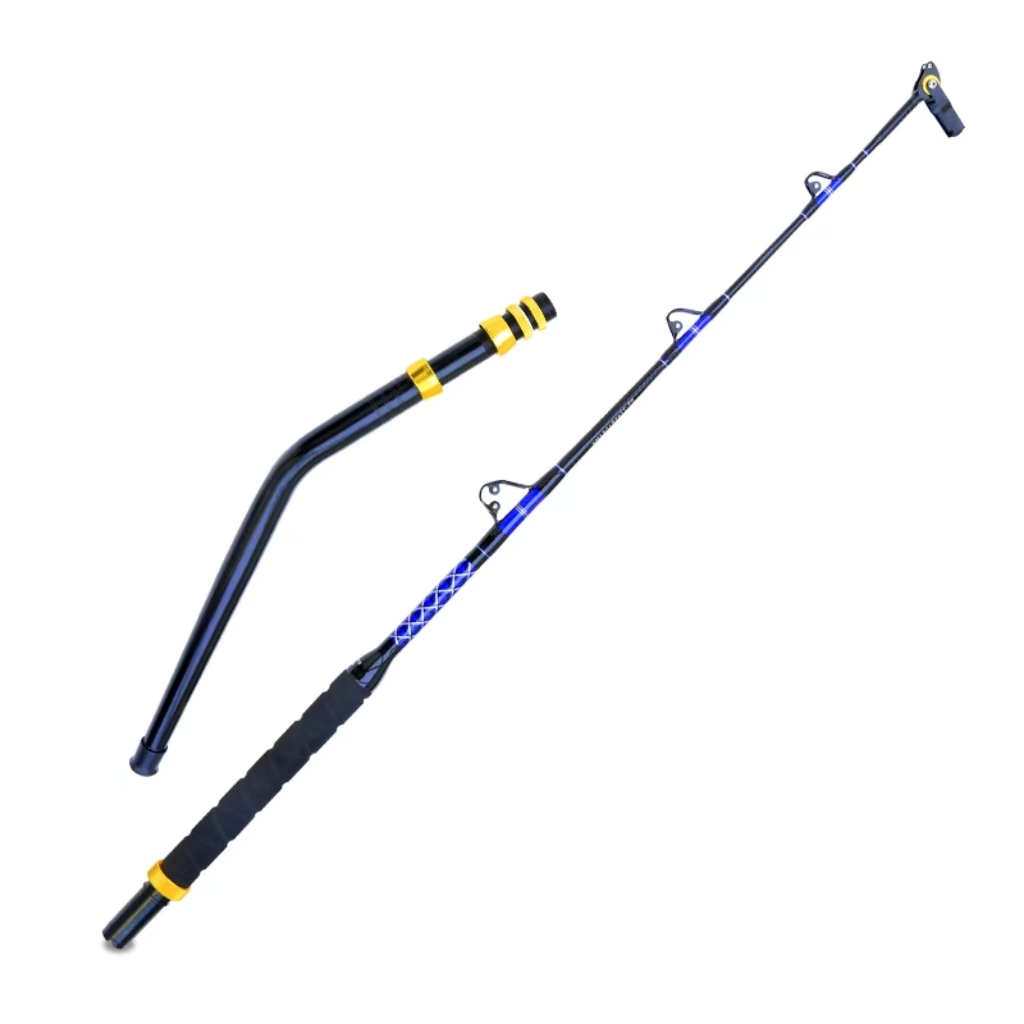
Every great angler starts with the right rod and reel. This combo is your main tool on the water, so choosing the best rod and reel for bass fishing is key.
A good bass fishing rod should be lightweight, strong, and sensitive. Look for a medium-heavy power rod with fast action. This setup gives you the backbone to fight big bass while still feeling subtle bites.
When it comes to reels, you have two main options: spinning and baitcasting.
Spinning reels are easier to use and great for finesse techniques like drop shots and light lures.
Baitcasting reels offer more control and power, perfect for heavy cover and larger baits.
Brands like Shimano, Abu Garcia, and Lew’s offer reliable combos that suit different skill levels and fishing styles. If you’re just starting out, go with a spinning setup. If you’re ready to level up, try a baitcaster and practice until you’re comfortable.
Choosing the best rod and reel for bass fishing sets the foundation for a successful day on the water.

2. Braided and Fluorocarbon Fishing Line
Choosing the right fishing line can make or break your day on the water. Understanding the difference between braided vs fluorocarbon line for bass helps you match your setup to the conditions.
Braided Line
Pros:
Extremely strong for its diameter
Very sensitive—great for detecting light bites
Doesn’t stretch, allowing solid hooksets
Long-lasting and abrasion-resistant
Cons:
Highly visible in clear water
Can dig into reel spools if not handled properly
Best Use:
Use braided line in heavy cover, around vegetation, or when fishing topwater lures. It shines in situations where strength and sensitivity matter most.
Fluorocarbon Line
Pros:
Nearly invisible underwater
Sinks faster than braid—ideal for bottom contact baits
Abrasion-resistant and durable
Better for clear water
Cons:
Slightly less sensitive than braid
Can be stiff and harder to manage, especially in lighter tests
Best Use:
Use fluorocarbon when finesse and stealth are important. It’s perfect for clear lakes, soft plastics, and deep presentations like jigs or Texas rigs.
Final Tip
Many bass anglers combine both: braid for strength and sensitivity, with a fluorocarbon leader for invisibility. When it comes to braided vs fluorocarbon line for bass, it’s not about which is better overall—it’s about which fits your technique and environment.

3. Versatile Soft Plastic Baits
Soft plastic baits are a must-have in any bass angler’s tackle box. They come in many shapes and sizes and can imitate almost any prey. Whether you’re fishing shallow cover or deep structure, the best soft plastic baits for bass can trigger bites in any condition.
Common Types
Worms – Perfect for Texas or wacky rigs. They look natural and work great in both clear and murky water.
Craws – Imitate crawfish, a favorite food for bass. Use them around rocks, stumps, and docks.
Swimbaits – Resemble baitfish. Ideal for covering water and finding active bass.
Why Soft Plastics Work
Soft plastics move like real prey. Their flexible bodies create lifelike action, even with subtle twitches. Bass often hold onto soft plastics longer, giving you more time to set the hook.
Rigging Tips
Texas rig for fishing through weeds and heavy cover.
Wacky rig for a slow fall and natural movement.
Carolina rig when you need to fish deeper water.
Weightless rig for a finesse presentation in shallow, clear water.
Mix and match sizes, colors, and rigs based on the conditions. The best soft plastic baits for bass give you the flexibility to adapt—and catch fish when other lures fail.
4. Crankbaits and Spinnerbaits
Crankbaits and spinnerbaits are two of the most reliable lures in bass fishing. They cover water quickly, trigger reaction strikes, and work in a variety of conditions. Knowing when to use each gives you a clear edge. Let’s break down crankbaits vs spinnerbaits for bass and when to tie them on.
Crankbaits
Best For:
Imitating baitfish or crawfish
Targeting bass at specific depths
Fishing open water, rocks, and drop-offs
Crankbaits shine in cooler months and during the post-spawn. Choose shallow, medium, or deep-diving models based on water depth. Clear water calls for natural colors; stained water works better with bright or bold patterns.
Top Crankbaits for 2025:
Strike King KVD Squarebill
Rapala DT Series
Berkley Frittside
Spinnerbaits
Best For:
Fishing through grass, wood, and cover
Windy or overcast conditions
Triggering reaction strikes in stained or muddy water
Spinnerbaits create flash and vibration that bass feel and see. Use them when visibility is low or when bass are aggressive. They’re great for covering water quickly and locating active fish.
Top Spinnerbaits for 2025:
Booyah Blade
Strike King Premier Plus
Z-Man SlingBladeZ
Final Tip
In the crankbaits vs spinnerbaits for bass debate, neither is better all the time. Use crankbaits when you want precise depth control and tight wobble action. Choose spinnerbaits when you need flash and thump to draw bass out of cover. Both should be in your tackle box year-round.

5. Tackle Box or Bag with Smart Storage
Staying organized on the water saves time and helps you fish more effectively. The best tackle box for bass anglers keeps your gear neat, easy to access, and protected from the elements.
Why Organization Matters
When bass are biting, you don’t want to waste time digging through a messy bag. A well-organized tackle system lets you quickly grab the right bait, switch lures, or adjust your setup. It also helps prevent damage to your gear.
Key Features to Look For
Waterproof or water-resistant material – Keeps your tackle dry and rust-free.
Modular trays or compartments – Lets you sort lures by type, color, or technique.
Clear lids – Makes it easy to see what’s inside without opening each box.
Compact size with plenty of storage – Holds what you need without taking up too much space.
Comfortable straps or handles – Important if you’re walking the bank or fishing from a kayak.
Some popular options in 2025 include the Plano Edge series, Bass Mafia Coffin, and Flambeau Zerust bags. Each offers smart features built for serious anglers.
Choosing the best tackle box for bass anglers helps you stay efficient and ready for any fishing situation. A clean setup leads to more focus—and more fish.

6. Fish Finder or Sonar Unit
A good fish finder can completely change the way you fish. Sonar technology helps you see what’s happening below the surface, making it easier to locate bass, structure, and depth changes. If you want consistent success, investing in the best fish finder for bass fishing is a smart move.
Why Sonar Matters
Fish finders show you more than just fish. They reveal drop-offs, brush piles, weed lines, and bait schools—key areas where bass often hide. With this information, you can fish smarter and avoid wasting time in unproductive water.
Top Options for Small Boats or Kayaks
If you fish from a kayak or a small jon boat, you don’t need a huge unit to get great results. Compact, portable models still offer sharp detail and useful features.
Top Picks for 2025:
Garmin Striker Vivid 4cv – Affordable and clear, great for beginners.
Humminbird Helix 5 – Offers down imaging and GPS in a small package.
Lowrance Hook Reveal 5 SplitShot – Strong performance with detailed sonar views.
Look for a unit with clear screen resolution, GPS mapping, and at least down imaging. These features help you mark spots, track depth, and understand bottom structure—all critical when targeting bass.
Using the best fish finder for bass fishing gives you a huge advantage. It takes the guesswork out and puts you on fish faster.

7. Polarized Fishing Sunglasses
Polarized fishing sunglasses do more than protect your eyes—they help you see beneath the water’s surface. By reducing glare, these glasses reveal underwater structures, fish, and hazards you might otherwise miss.
Why You Need Them
Glare from the sun can blind you and cause eye strain during long fishing trips. Polarized lenses cut through that glare, making it easier to spot bass and read the water. This advantage is especially important when sight-fishing or casting near shallow cover.
Top Brands to Consider
Brands like Costa, Oakley, and Smith Optics lead the way in making durable, high-quality polarized sunglasses for anglers. Look for lenses with UV protection and impact resistance to keep your eyes safe all day.
Investing in a good pair of polarized sunglasses for anglers improves comfort, safety, and your chances of spotting more fish. They are a simple, must-have upgrade for every bass angler.
8. Proper Fishing Apparel
Wearing the right fishing clothing keeps you comfortable and protected all day long. Look for gear that offers UV protection—this includes shirts, gloves, and hats designed to block harmful sun rays.
Choose clothing made from lightweight, breathable fabrics. This helps you stay cool and dry, even during hot summer trips. Good fishing apparel also allows full mobility, so you can cast, reel, and move without restrictions.
Brands like Columbia, Huk, and Simms make excellent options tailored for anglers. When picking out gear, focus on fit, ventilation, and sun protection.
Investing in the best fishing clothing for bass anglers helps you stay safe and comfortable on the water. It lets you focus on fishing, not the weather.

9. Landing Net and Fish Grippers
Handling your catch properly matters, especially if you practice catch-and-release. Using a good landing net and fish grippers helps you safely bring bass aboard without harming them.
Look for landing nets that are lightweight and feature rubberized mesh. Rubber nets reduce damage to the fish’s scales and slime coat, keeping them healthy for release. A sturdy handle gives you control, even when landing big bass.
Fish grippers make it easier to hold slippery bass without squeezing too hard. They protect both you and the fish during unhooking.
If you want the best landing net for bass, consider models like the Frabill Trout Magnet or the Bass Pro Shops Landing Net. These offer durability, ease of use, and fish-friendly design.
Using proper handling gear shows respect for the fish and helps preserve bass populations for future trips.
10. Mobile App or GPS for Navigation and Logs
Today’s anglers rely on technology to get ahead. Using a mobile app or GPS helps you navigate waters safely, track your fishing spots, and log your catches. These tools make fishing smarter and more efficient.
Some of the best bass fishing apps 2025 offer real-time weather updates, detailed maps, and easy catch logging. Apps like Fishbrain, Navionics, and ANGLR help you plan trips, record water conditions, and share tips with other anglers.
A GPS unit or smartphone app also helps you mark productive spots, so you can return to them later. It takes the guesswork out of finding bass and improves your chances of success.
In the modern age, combining traditional skills with smart tech is the key to catching more bass and enjoying your time on the water.

Conclusion
To catch more bass, you need the right gear. From a high-quality rod and reel to smart apps, these 10 essentials give you the edge on the water. Braided line, soft plastics, crankbaits, and spinnerbaits cover all fishing styles. Add a reliable tackle box, fish finder, polarized sunglasses, proper apparel, and handling tools—and you’re ready for any situation.
Preparation makes all the difference in bass fishing. The better equipped you are, the more confident and successful you’ll feel.
What’s your favorite bass fishing gear or go-to tip? Share your thoughts in the comments below—we’d love to hear from you!
Bonus Tips
Taking care of your gear helps it last longer and perform better. After each trip, rinse your rod, reel, and tackle with fresh water to remove dirt and salt. Store your gear in a dry place and check your line regularly for wear or damage. A little maintenance goes a long way.
If you’re just starting out, don’t feel like you need the most expensive gear right away. Look for budget-friendly alternatives from trusted brands like Ugly Stik rods or Pflueger reels. Many affordable options still deliver great performance for beginners.
Pro Tip: Always match your line strength to your target bass size. Using the right test line prevents break-offs and improves hooksets.
Pro Tip: When rigging soft plastics, experiment with different weights to find the best fall speed for the conditions.
-

-

-
Sale!
 Out of stock
-
Sale!
