
Saltwater fishing offers a unique thrill that draws anglers of all experience levels to the ocean. Whether you’re standing on a sandy shore, casting from a pier, or venturing offshore, the variety of fish and environments keeps things exciting. It’s not just about the catch—it’s the challenge, the setting, and the sense of adventure that come with every trip.
For beginners, success starts with having the right gear. Saltwater fishing can be rough on equipment, and using the wrong tools can make the experience frustrating instead of fun. Understanding what you need and why it matters helps you fish smarter—and enjoy it more.
This guide is designed to help you get started with confidence. We’ll cover essential gear, explain how to choose the right equipment for your goals, and offer tips to make your first saltwater fishing trips both productive and enjoyable. Let’s dive in.
1. Understanding Saltwater Fishing Basics
Saltwater fishing differs from freshwater fishing in a few key ways. The gear tends to be heavier, the fish are often larger, and the water conditions can be more unpredictable. Saltwater also causes more wear on equipment, so using corrosion-resistant tackle is important.
There are several environments where saltwater fishing takes place:
Shore fishing involves casting from beaches, jetties, or rocky coastlines. It’s a great option for beginners since it requires minimal gear and easy access.
Pier fishing allows anglers to reach deeper water without a boat. Piers often attract a variety of fish, making them ideal for learning.
Boat fishing takes you farther from land. It can include inshore trips targeting species near the coast or offshore adventures.
Deep-sea fishing means heading far out into the ocean, usually to catch large, powerful fish. This type of fishing requires more experience and specialized gear.
For beginners, it’s best to start with easier-to-catch species. Popular targets include:
Mackerel – fast, plentiful, and fun to catch.
Flounder is found near sandy bottoms and is good for shore or pier fishing.
Snapper – common around reefs and rocky areas.
Sea trout – usually found in shallow coastal waters.
Starting with the right environment and species helps build skill and confidence. From there, anglers can move on to bigger challenges in the saltwater world.
2. Essential Saltwater Fishing Gear for Beginners
Getting started in saltwater fishing requires the right equipment. Here’s a breakdown of the key gear every beginner should know.
Rods: Choosing the Right Type, Length, and Power
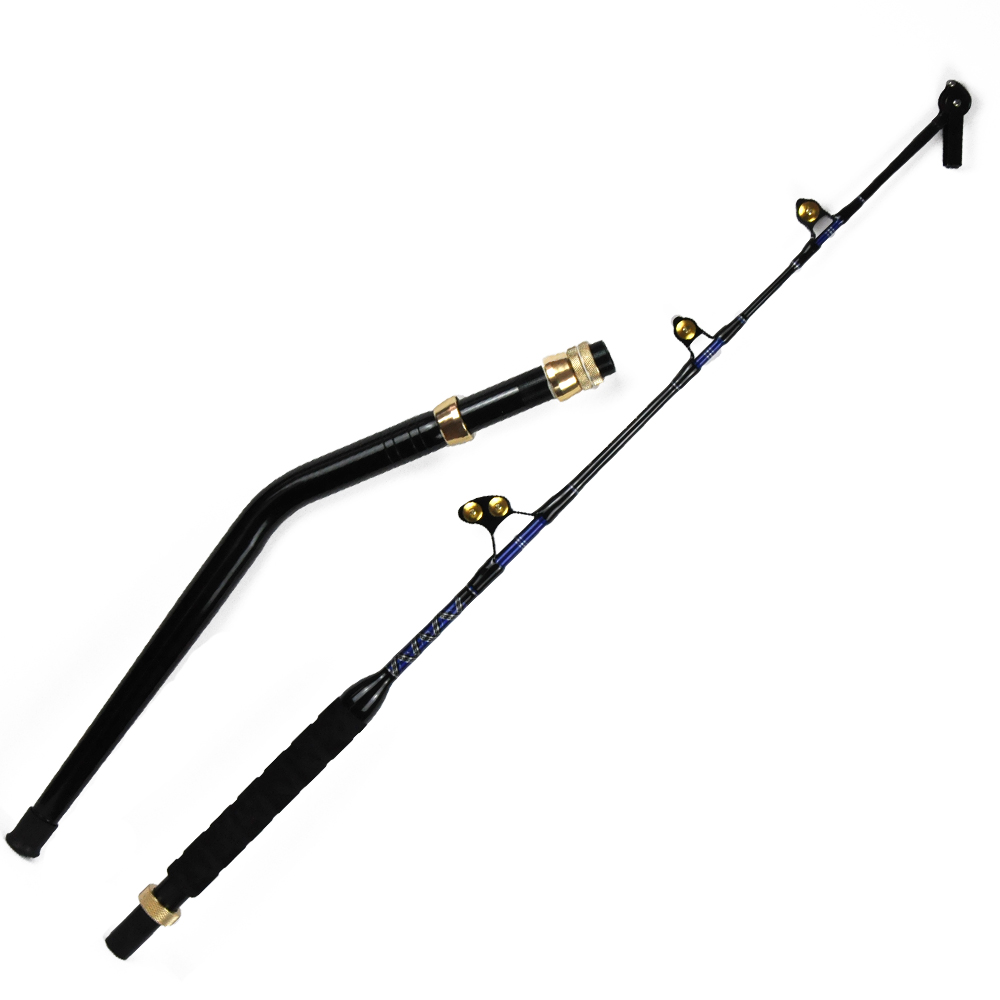
Saltwater rods come in different types, lengths, and power ratings. Beginners should look for a medium power spinning rod around 7 feet long. This size offers a good balance between casting distance and control. Fiberglass rods are durable and more forgiving, making them a solid choice for newcomers.
Reels: Spinning vs. Baitcasting
Spinning reels are easier to use and more forgiving than baitcasting reels. They handle lighter lines well and are great for casting live bait or lures. Baitcasting reels offer more accuracy and power but have a steeper learning curve. Most beginners should start with a spinning reel until they build more confidence.
Fishing Line: Understanding Your Options
You’ll usually choose between three main types of line:
Monofilament: Affordable and stretchable, ideal for beginners
Fluorocarbon: Nearly invisible underwater, great for clear water conditions
Braided Line: Strong and thin, perfect for long casts and tough fish, but more visible in water.
Monofilament is a great starting point due to its ease of use.
Hooks: Sizes and Shapes Matter
Saltwater fish come in all sizes, and so do hooks. Circle hooks are popular for saltwater fishing because they reduce the chance of gut-hooking fish. Start with sizes 1/0 to 4/0 for small to medium species. Make sure your hook matches the size of your bait and target fish.
Tackle Box Must-Haves
Your tackle box should include a few essentials:
Sinkers: Help your bait sink to the right depth.
Swivels: Prevent your line from twisting.
Leaders: Protect your main line from sharp teeth or rough structures.
Extra hooks, lures, and line: Always be prepared for snags or break-offs.
A basic setup with these items will cover most beginner needs on the water.

3. Recommended Starter Gear Kits
When starting out, anglers often face a choice between pre-packaged gear sets and building their own custom kits. Pre-packaged kits are convenient and usually designed to cover the basics, making them a solid choice for beginners. On the other hand, assembling a custom setup allows for more control over quality and personal preferences, ideal for those willing to do a bit of research.
Budget plays a big role in this decision. Budget-friendly kits typically include a rod, reel, and some tackle for a low price. These sets work well for casual fishing or those just testing the waters. Premium beginner gear, though more expensive, offers better durability and performance. It’s a worthwhile investment for those who plan to fish regularly.
Several brands stand out for beginners. Penn and Shimano are known for reliable reels and combos that perform well without overwhelming new users. Ugly Stik is another popular choice, especially for its nearly indestructible rods, perfect for learning without fear of breaking gear.
4. Bait and Lures for Saltwater Fishing
Choosing the right bait or lure can make a big difference when fishing in saltwater. Beginners often wonder whether to go with live bait or artificial lures. Each has its strengths.
Live Bait vs. Artificial Lures
Live bait, such as shrimp or small baitfish, attracts fish naturally. It works especially well for species like mackerel and sea trout. However, it can be messy and requires more care.
Artificial lures are cleaner and reusable. They come in many styles and can target specific species, but they may not be as effective when fish are picky.
Best Baits for Common Beginner Catches
For mackerel, try small live sardines or shiny metal lures.
Sea trout respond well to live shrimp, soft plastic lures, or jigs that mimic small fish.
Types of Lure
Spoons: Flashy and effective for fast-swimming fish like mackerel.
Jigs: Versatile and great for bouncing along the bottom to target sea trout and flounder.
Soft Plastics: Mimic baitfish and shrimp. Excellent in clear water or near grassy flats.
Topwaters: Fun to use and great for aggressive surface feeders, especially during dawn or dusk
Experiment with different types and pay attention to what works best in your fishing spot. Fish behavior can change with tide, time, and weather
Common Types of Lures
Spoons: These flashy metal lures work well for fast-swimming fish like mackerel.
Jigs: Great for bouncing along the bottom and catching sea trout or flounder.
Soft Plastics: Designed to mimic baitfish or shrimp, they’re perfect for clear water and grassy areas.
Topwaters: Ideal for surface strikes, especially early in the morning or late in the evening.
Try different lures and observe what the fish respond to in your area. Tides, time of day, and weather can all affect what works best.

5. Maintenance and Care for Your Gear
Taking care of your gear ensures it lasts longer and performs better. Here’s how to keep it in top shape:
Rinse After Saltwater Use
Saltwater can damage gear quickly. After every use, rinse all equipment with fresh water. Pay close attention to zippers, buckles, and seams where salt and sand tend to collect.
Clean Regularly
Use mild soap and a soft brush to remove grime or algae buildup. Avoid harsh chemicals that can degrade materials. Make sure everything is completely dry before storing.
Store Properly
Keep gear in a cool, dry place away from direct sunlight. Hang wetsuits and dry bags to prevent creasing or mildew. Don’t leave equipment in a hot car or a damp garage.
Watch for Wear and Tear
Check for cracks, fading, or frayed straps. If buckles no longer snap securely or fabric feels weak, it may be time to repair or replace the item. Don’t wait until the gear fails in the field.
Taking a few minutes after each trip to care for your equipment can save you time and money in the long run.
Let me know if you’d like this adapted for a specific type of gear (e.g., diving, hiking, surfing).
6. Safety and Regulations
Before heading out, keep safety top of mind. Always wear a life vest when fishing from a boat, kayak, or even some piers. Be mindful of sharp hooks and other gear—handle them with care. Also, protect yourself from the sun by wearing sunscreen, a hat, and sunglasses.
Check the local fishing regulations before you cast a line. Rules vary by state or region and may include size limits, seasonal restrictions, and catch limits. Most places require a fishing license, so be sure to get one ahead of time.
Practice ethical fishing. Release undersized or unwanted fish gently. Avoid overfishing and follow catch-and-release guidelines when appropriate. These habits help preserve fish populations for the future.
7. Best Beginner-Friendly Saltwater Fishing Spots
Some spots are better than others when you’re starting out. Piers, jetties, and calm bays are great beginner-friendly locations. They usually offer easy access, stable footing, and a good mix of fish species.
To find a good spot, research online forums, local fishing reports, or ask at bait shops. Look for places with parking, restrooms, and safety features. Try to visit during off-peak times if you want a quieter experience.
Pay attention to tides, weather, and time of day. Fish are more active during tide changes, especially early morning or evening. Avoid going out during storms or extreme heat.
8. Common Mistakes Beginners Make (and How to Avoid Them)
Packing too much or too little gear is a common issue. Bring the essentials, but don’t overload yourself. A rod, a few rigs, bait, pliers, and safety items are usually enough for a day trip.
Use the right gear for the environment. Surf fishing, pier fishing, and boat fishing each require different tackle and rod setups. Do a little research before you go.
Don’t forget to check fishing regulations and weather forecasts. Ignoring these can ruin a trip or get you fined. Planning ahead saves you time and trouble.
9. Why Choose Us as Your Saltwater Fishing Gear Manufacturer?
Expertise in Saltwater Fishing Gear
With years of dedicated experience in the saltwater fishing industry, we understand the unique challenges posed by harsh marine environments. Our products are engineered to withstand corrosion, saltwater exposure, and extreme conditions, ensuring long-lasting performance for avid anglers.
Premium Quality Materials & Craftsmanship
We use only the highest-grade materials and advanced manufacturing techniques to create durable, reliable, and high-performance fishing gear. Every product undergoes rigorous quality control to meet and exceed industry standards.
Innovative Product Design
Our R&D team continuously innovates to develop cutting-edge designs that enhance functionality, comfort, and effectiveness. Whether it’s rods, reels, lures, or accessories, our gear helps anglers fish smarter and more successfully.
Customization & Flexibility
We offer tailored manufacturing solutions to meet your specific brand requirements. From design customization to packaging, we work closely with you to bring your vision to life, ensuring your products stand out in the marketplace.
Competitive Pricing & Timely Delivery
Balancing quality with cost-efficiency, we provide competitive pricing without compromising on product integrity. Our streamlined production process ensures timely delivery so you never miss a market opportunity.
Commitment to Sustainability
We care about the ocean and strive to use environmentally responsible materials and processes. Partnering with us means supporting sustainable practices that protect marine ecosystems for future generations.
Outstanding Customer Support
Our dedicated team is always ready to assist with technical advice, order tracking, and after-sales support. We prioritize your satisfaction and long-term partnership success.
10. Conclusion
Saltwater fishing can be fun, relaxing, and rewarding—especially when you start off prepared. With the right gear, a good spot, and basic knowledge of safety and rules, you’re well on your way.
Remember your key gear: a sturdy rod, proper bait, tackle, a life vest, and sun protection. Don’t stress if you don’t catch something on your first trip. Every outing is a chance to learn.
When you’re ready for more tips and techniques, check out the other fishing guides on our site. Tight lines!
-

-

-
Sale!
 Out of stock
-
Sale!
