
I. Introduction
When you head offshore, your fishing gear isn’t just equipment — it’s your lifeline. Out at sea, conditions shift quickly. Wind, salt, and powerful fish will test every part of your setup. If your gear fails, you lose more than just a catch.
This article breaks down the essential offshore fishing gear you can’t afford to skip. From rods and reels to safety gear and tools, we’ll cover everything you need to fish confidently and stay prepared.
Whether you’re chasing tuna or just starting your deep-sea journey, having reliable, well-matched gear means better performance, more success, and a safer trip. Let’s dive in.
II. Rods & Reels: The Core of Your Setup
Offshore fishing demands gear that can handle pressure, power, and unpredictable conditions. Your rod and reel are your most important tools, so choosing the right ones matters.
What Makes a Rod “Offshore-Ready”
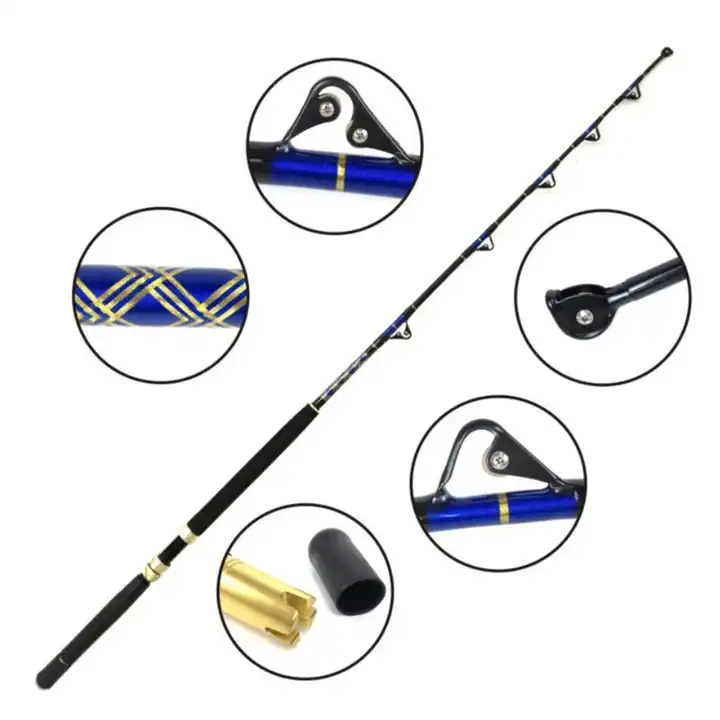
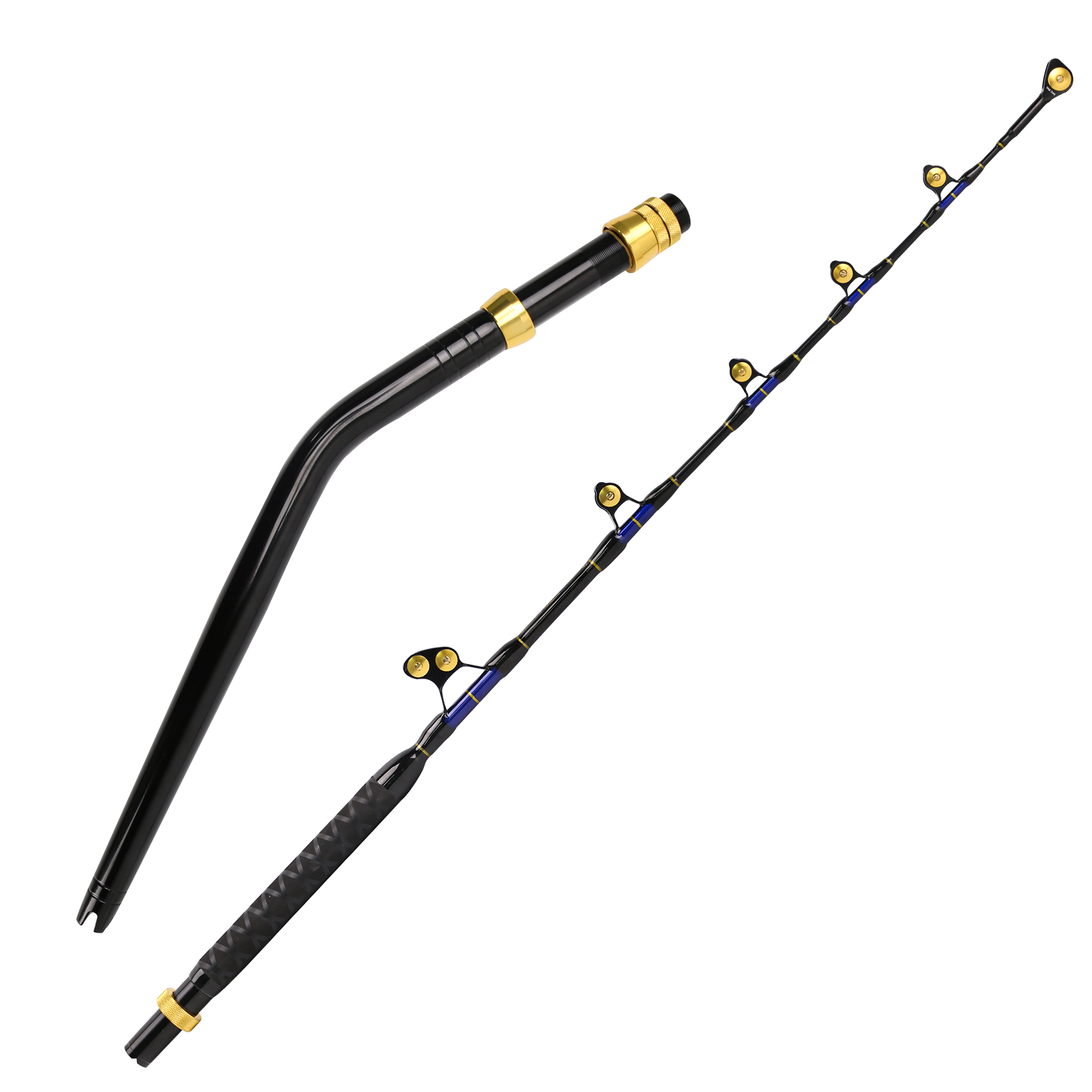
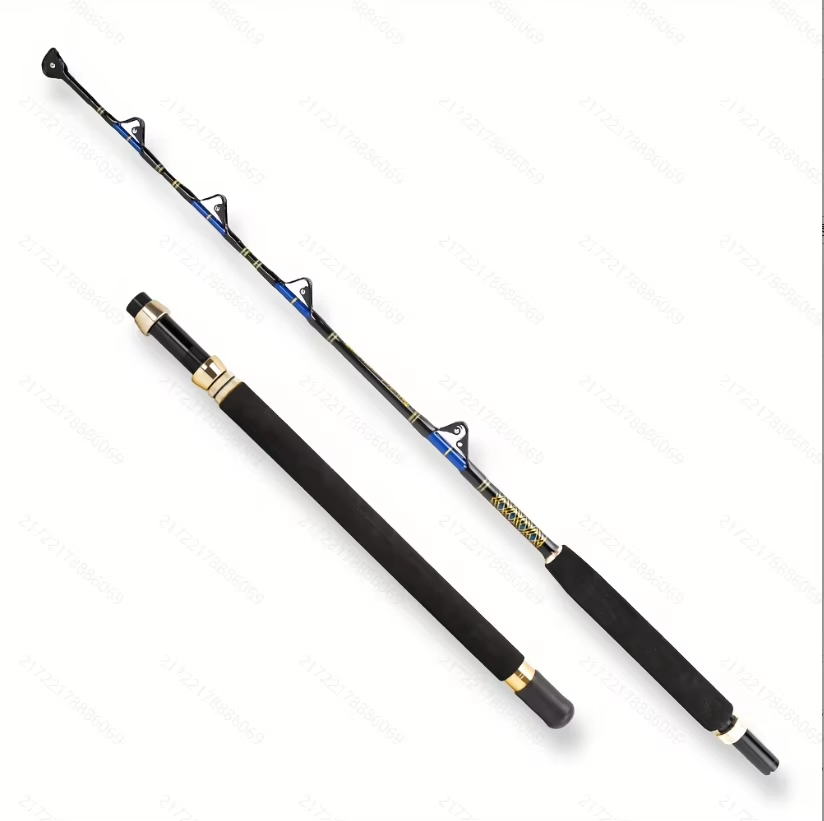
An offshore rod needs strength, flexibility, and resistance to corrosion. Look for rods made from graphite, fiberglass, or a composite of both. These materials offer the balance of power and durability needed for fighting big fish. Rod action is also key—fast or medium-fast action helps drive hooks deep and gives you more control during the fight. Reinforced guides and a solid reel seat are must-haves.
Best Reel Types for Offshore Use
Spinning reels and conventional reels both have a place offshore.
Spinning reels are user-friendly and ideal for casting lighter lures. They work well when chasing fast-moving fish near the surface.
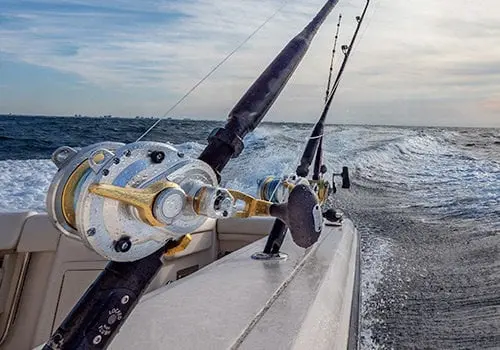
Conventional reels provide more cranking power and line capacity. They shine in trolling, bottom fishing, and targeting deep-water giants like grouper or amberjack.
Choose reels with a smooth, high-quality drag system and corrosion-resistant components. Salt and moisture can destroy a cheap reel fast.
Recommended Gear Combinations for Target Species
Tuna: Heavy spinning or conventional rod, 50–80 lb braid, fast action, paired with a high-capacity reel
Marlin: Extra-heavy trolling rod, 80–130 lb line class, conventional reel with lever drag
Grouper: Medium-heavy bottom rod, 60–100 lb braid, paired with a low-speed, high-torque conventional reel

III. Terminal Tackle You Should Always Carry
Terminal tackle might seem small, but it plays a big role in offshore success. These pieces connect your main line to the business end—where the action happens. Cheap or weak tackle can ruin a good bite. Always pack high-quality gear that matches your fishing conditions.
Hooks, Leaders, and Swivels
Use strong, corrosion-resistant hooks—circle hooks work great for catch-and-release and often hook fish in the corner of the mouth. Choose leaders based on your target species. Heavy monofilament or fluorocarbon helps prevent break-offs from sharp teeth or rough structure. Swivels reduce line twist and keep your rig running smoothly. Opt for ball-bearing swivels when trolling or using spinning gear.
Jigs, Poppers, and Trolling Lures
Stock a mix of lures to cover different depths and techniques:
Jigs work well when fish hold deep or near structure. Vertical jigging can trigger strikes from tuna, amberjack, or snapper.
Poppers create surface commotion that attracts aggressive feeders like GTs and mahi-mahi.
Trolling lures help cover ground and tempt pelagics like marlin, sailfish, and wahoo. Choose lures with strong hooks and reinforced bodies to handle big strikes.
Prepping for Depth and Conditions
Match your terminal tackle to your fishing depth and water clarity. Clear leaders are better for calm, bright days. Heavier tackle helps in strong currents or when dropping baits deep. Carry a range of weights, rigs, and lure types so you can adjust quickly.
IV. Line Types & Strengths for Offshore Battles
Offshore fishing pushes your line to the limit. Strong currents, sharp structures, and big fish all put pressure on it. Choosing the right line type and strength helps you avoid break-offs and land more catches.
Braid vs. Mono vs. Fluoro
Braided line offers high strength and a thin diameter. It cuts through water with less drag, making it great for deep drops and heavy cover. It also provides excellent sensitivity for detecting light bites.
Monofilament stretches more, which helps absorb sudden shocks during hard runs. It’s a solid choice for trolling and topwater setups.
Fluorocarbon is nearly invisible underwater and highly abrasion-resistant. It’s often used as leader material in clear or rocky waters.
Each line type serves a purpose, so bring a mix to match different rigs and fishing styles.
Proper Pound-Test Selection
Your line strength should match your target species and technique.
Use a 20–30 lb test for smaller pelagics like mahi-mahi.
Step up to 50–80 lb braid for tuna or amberjack.
For marlin or sharks, go with 100+ lb test or even heavier leaders.
Don’t just go heavy “just in case.” Too much line strength can reduce lure action or make casting harder.
Line Capacity and Abrasion Resistance
Offshore fish often run long distances. A reel that holds enough line gives you a better shot at landing them. Choose a braid for more capacity, especially when using smaller reels.
Also, saltwater structures like reefs, wrecks, and rocks can shred weak line. That’s why abrasion resistance matters, especially for bottom fishing or around structure.

V. Safety Gear: Non-Negotiables at Sea
Offshore fishing isn’t just about catching big fish—it’s about staying safe far from shore. Once you’re miles out, help isn’t immediate. That’s why every angler needs to carry essential safety gear and know how to use it.
Life Jackets, EPIRBs, and First-Aid Kits
Wear a properly fitted life jacket at all times. It only helps if you have it on when something goes wrong. An EPIRB (Emergency Position Indicating Radio Beacon) can save lives by sending your location to rescue teams if the worst happens. A well-stocked first-aid kit is also a must. Cuts, hooks, sun exposure, and rough weather can all cause injuries—be ready.
Emergency Tools: Knives, Radios, Signal Devices
Keep a sharp, rust-proof knife within reach to cut tangled lines or free yourself in an emergency. Carry a VHF radio for reliable communication and emergency calls. Don’t rely on a cell phone offshore. Add signal flares, a whistle, and a waterproof flashlight to your kit to make sure you can get attention if needed.
What Anglers Often Forget—but Shouldn’t
Many anglers skip backup batteries, spare fuel, or even a manual bilge pump—until it’s too late. Others forget to check expiration dates on flares or test their EPIRB before a trip. Always inspect your gear before leaving the dock.
Safety gear isn’t optional offshore. Pack it, check it, and know how to use it. It could be the most important gear you carry.
VI. Storage & Transport Tools
Offshore trips require more than just good gear—you also need smart storage. Waves, spray, and limited space make organization critical. The right tools keep your tackle safe, dry, and easy to reach.
Waterproof Tackle Boxes
Saltwater ruins gear fast, so use waterproof tackle boxes with tight seals. Choose boxes with adjustable compartments to separate hooks, lures, and terminal tackle. Label each box by category—jigs, leaders, topwater, etc.—so you can find what you need quickly.
Rod Holders, Fish Bags, and Gear Bags
Mount rod holders on your boat to prevent tangles and damage during transport. Use insulated fish bags to store your catch and keep it fresh. A heavy-duty gear bag with waterproof zippers protects gloves, tools, and electronics. Choose bags with multiple compartments so your items stay sorted and dry.
Tips for Organizing Gear on a Rocking Boat
Pack light but pack smart. Store frequently used gear within arm’s reach. Secure boxes and bags with bungee cords or straps to keep them from sliding. Avoid clutter—only keep what you need on deck, and stow the rest safely.
A clean, well-organized boat saves time and reduces stress when the action heats up. It also keeps your gear safe when the seas get rough.

VII. Maintenance Tools & Onboard Essentials
Saltwater is tough on gear. Without proper care, even the best equipment will fail. That’s why every offshore angler needs a set of maintenance tools and essentials on board.
Saltwater Cleaning Gear
Always bring a freshwater rinse system or jugs to wash down rods, reels, and lures after use. Salt builds up fast and causes corrosion. A quick rinse can add years to your gear’s life. Use reel oil and grease to keep moving parts smooth. Wipe rods and guides with a soft cloth to remove grit and prevent damage.
Gloves, Pliers, and Cutting Tools
Pack fishing gloves to protect your hands from sharp lines, hooks, and fish spines. Stainless steel pliers are essential for removing hooks, crimping sleeves, or fixing rigs on the fly. Add a pair of sharp cutters or braid scissors to cleanly cut heavy line without fraying.
Keeping Gear Functional and Rust-Free
Dry all gear thoroughly before storing it. Open tackle boxes and hang lures to air out. Check for rust spots and clean them right away. Store metal tools with silica packs or in anti-corrosion sleeves when not in use.
Regular maintenance saves money and prevents failure at the worst time. Take care of your gear, and it will take care of you.
VIII. Seasonal & Location-Specific Add-ons
Offshore fishing conditions change with the season and location. The gear that works in warm, calm waters might fail in rough, cold seas. Adapting your setup to the environment improves comfort, efficiency, and success.
Gear Swaps for Cold vs. Tropical Waters
In cold water, wear thermal layers, waterproof jackets, and insulated gloves. You may need heavier rods and lines to handle sluggish, deep-holding fish. In tropical regions, go for light, breathable clothing, sun protection, and gear that resists high UV exposure. Heat can damage the line and weaken knots, so store gear out of direct sunlight when possible.
Local Species-Specific Tackle Tips
Every region has its own trophy fish and preferred methods. In Florida, for example, anglers often carry live bait rigs for sailfish. In Hawaii, you’ll want heavy trolling lures for tuna and marlin. Research your target area. Bring lures, rigs, and hooks that match the size and feeding habits of local species.
Weather-Related Gear to Pack
Offshore weather shifts fast. Bring a dry bag for electronics and clothing. Always carry a windbreaker, extra layers, and rain gear, even on clear days. Add anti-slip deck boots to stay safe on wet surfaces. Don’t forget sunscreen, polarized sunglasses, and a wide-brim hat for sunny conditions.
Customizing your gear to the season and location gives you the edge. Stay prepared, stay comfortable, and fish with confidence—no matter where the water takes you.

IX. Offshore Fishing Gear Checklist (Quick Reference)
To help you prepare for your next trip, here’s a simple offshore fishing gear checklist. Print it or download it to make sure you never forget the essentials.
Tackle
Offshore rods and reels (matched combos)
Braided, monofilament, and fluorocarbon lines
Hooks, leaders, and swivels
Jigs, poppers, and trolling lures
Weights and terminal tackle
Safety
Life jackets (one per person)
EPIRB or personal locator beacon
First-aid kit
VHF radio and spare batteries
Signal flares, whistle, flashlight
Tools
Waterproof tackle boxes
Rod holders and gear bags
Sharp knives, pliers, and line cutters
Reel oil and cleaning supplies
Fishing gloves
Extras
Insulated fish bags or coolers
Weather-appropriate clothing
Sunscreen and sunglasses
Dry bags for electronics
Backup batteries and spare fuel
Why Choose Us as a <Fishing Gear Essentials> Manufacturer
We understand what serious offshore anglers need because we’re anglers too. Our fishing gear combines durable materials, innovative design, and rigorous testing to perform under the toughest conditions.
Quality You Can Trust: We use corrosion-resistant components and premium materials to ensure long-lasting performance in saltwater environments.
Tailored for Offshore: Every product is designed with input from experienced fishermen, so our rods, reels, and tackle meet real-world demands.
Wide Selection: From heavy-duty rods to precision terminal tackle, we offer a full range of gear so you can build the perfect offshore setup.
Customer Support: Our team provides expert advice and support before and after your purchase, helping you choose the right gear and keep it in top shape.
X. Conclusion
Skipping essential offshore gear can cost you more than just money. Gear failure or safety oversights can turn an exciting trip into a stressful—or even dangerous—experience. Investing in reliable, high-quality equipment protects your catch, your safety, and your time on the water.
Take a moment to assess your current kit. Upgrade worn or outdated items, and add any missing essentials. A well-prepared angler enjoys better performance, more success, and peace of mind offshore.
-
Sale!

-
Sale!

-
Sale!

-
Sale!
