
1: Why Regular Rod Maintenance is Essential
The Impact of Proper Care on Rod Performance
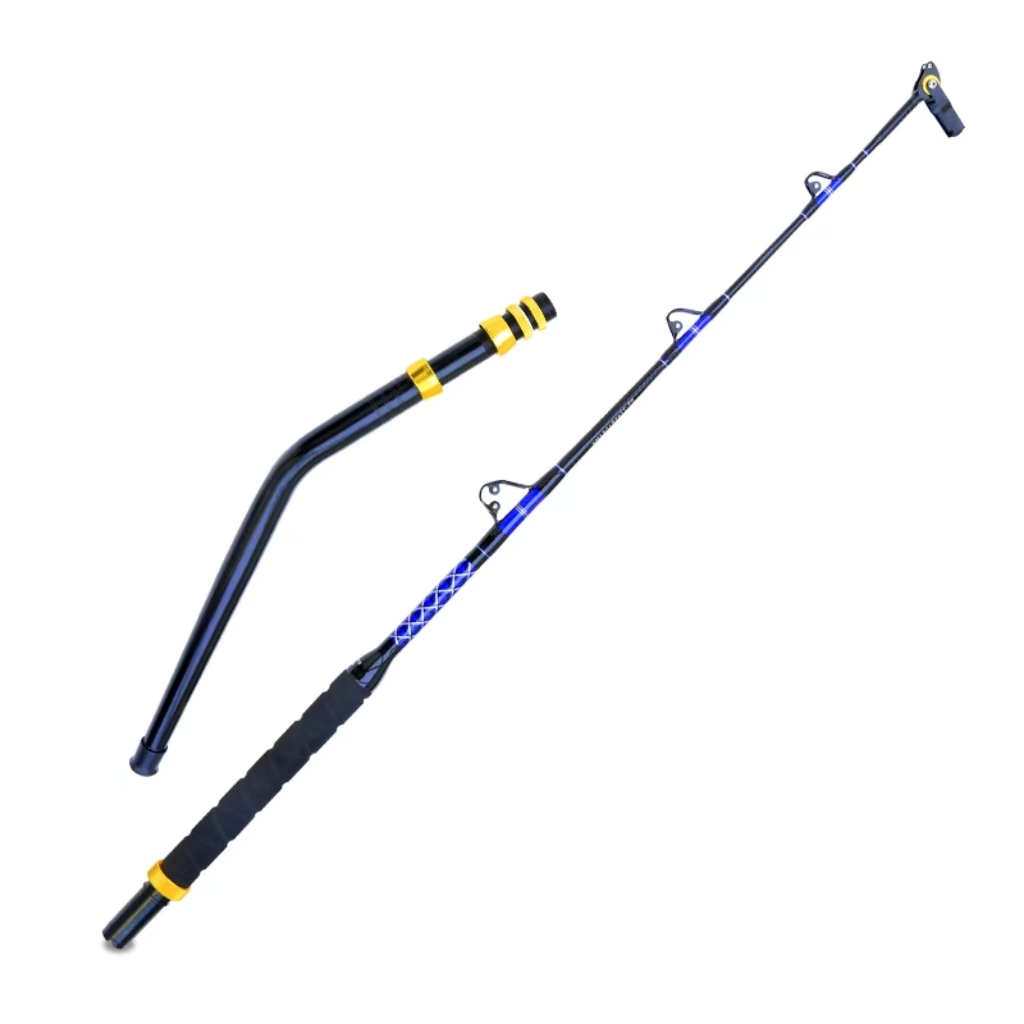
Proper maintenance plays a crucial role in preserving the performance of your fishing rod. Trolling Fishing rods, whether designed for saltwater or freshwater use, are built with specific materials and technology that enhance sensitivity, flexibility, and casting distance. When maintained well, your rod can perform at its peak, providing you with the precision and ease you need to land that big catch.
Sensitivity: A fishing rod’s sensitivity refers to how well it detects the smallest movements or bites from fish. Regularly cleaning your rod, especially the guides and reel seats, ensures that there is no build-up of dirt, salt, or other debris that can affect the rod’s responsiveness. When these components are clear of obstruction, your rod is much more sensitive, making it easier to feel even the faintest tug on your line.
Flexibility: Deep sea Fishing rods are designed with a balance of flexibility and strength to maximize casting efficiency and control. Over time, neglecting to clean and inspect your rod can result in corrosion or damage to the materials, making the rod stiffer or weaker than intended. Regular maintenance helps preserve the rod’s natural flexibility, ensuring it performs as designed.
Casting Distance: The condition of your rod’s guides and reel seat also directly impacts your casting distance. Dirty or damaged guides can cause the line to catch, resulting in shorter casts or tangles. A well-maintained rod ensures smooth casting, allowing you to cast longer distances with minimal effort, which is especially important when targeting fish that are further out in the water.
By investing time in regular maintenance, you ensure your fishing rod performs optimally, enhancing your fishing experience and maximizing your chances of success. Consistent care not only improves performance but also extends your rod’s lifespan, saving you from costly repairs or replacements in the future.
How Neglecting Maintenance Affects Your Rod
Neglecting maintenance on your fishing rod can lead to a range of issues that impact both its performance and longevity. Saltwater exposure, dirt accumulation, and improper storage can all cause serious damage to Big game fishing rods, resulting in reduced functionality and even irreparable harm if left untreated.
Damage to Fishing Rods: Tuna Fishing rods are exposed to a variety of harsh conditions, especially if used frequently in saltwater. Over time, salt and other debris can build up on the rod’s guides, reel seats, and shaft. This buildup can cause friction, which damages the rod’s components and weakens the rod’s structural integrity. Failure to regularly clean your rod after use can lead to the degradation of the materials, such as cracking or splintering of the rod blank, reducing its strength and flexibility.
Saltwater Corrosion: Saltwater is especially damaging to Marlin fishing rods due to its corrosive properties. When saltwater comes in contact with metal parts, such as the guides or reel seat, it accelerates rust and corrosion, weakening these components. If not cleaned properly, the corrosion can spread, causing the rod to lose its ability to function properly. Regular rinsing with fresh water and drying of the rod after each use is essential to prevent this type of damage. Without proper care, corrosion can cause permanent damage to the rod, often leading to expensive repairs or the need for a replacement.
Dirt and Contaminants: Dirt, mud, and sand can accumulate on your fishing rod during use, especially when fishing in muddy or coastal areas. If not removed, these particles can scratch the rod’s surface or clog the guides, causing the line to fray or become tangled. Over time, this can reduce the rod’s casting efficiency and cause additional wear and tear.
Improper Storage: Storing your fishing rod in direct sunlight, damp environments, or cramped spaces can cause the materials to deteriorate. Excessive heat can warp the rod, while humidity can lead to rust on the metal parts. It’s important to store your rod in a cool, dry place and to avoid placing heavy objects on top of it to prevent bending or breaking.

2: Saltwater Rod Maintenance Tips
Saltwater fishing rods face unique challenges due to the corrosive nature of saltwater, which can quickly degrade rod components if not properly maintained. Regular care and maintenance are essential for preserving the performance and longevity of your saltwater rod. Here are some key maintenance tips to keep your rod in top condition, even after a long day of battling the waves.
Rinse Your Rod After Every Use
One of the most important steps in saltwater rod cleaning is to rinse the rod thoroughly with fresh water after each use. Saltwater can cause severe damage to your fishing rod’s components if it’s left to sit, especially around the metal parts like guides, reel seats, and any other exposed fittings. The salt particles left on the rod can cause corrosion, weakening these parts over time and reducing the rod’s performance.
When you’re done fishing, take a few minutes to rinse the rod with fresh water. This simple step helps to wash away salt deposits, dirt, and other debris, preventing them from building up and causing long-term damage. Make sure to rinse both the rod blank and the reel, ensuring that no saltwater residue is left behind, particularly in the guides. After rinsing, use a clean, dry cloth to wipe down the rod to remove excess moisture.
Rinsing your rod after every fishing trip is a saltwater rod care tip that should become a routine habit to extend the life of your rod and ensure it stays in excellent working condition.
Clean Guides and Reel Seats Regularly
Fishing rod guides cleaning is crucial for ensuring smooth line flow and avoiding damage to the fishing line. Over time, saltwater, dirt, and debris can accumulate on the guides, which can create friction and even cause the line to fray. If the guides are left unchecked, this can lead to significant performance issues, like shortened casting distances and increased risk of tangles or breakage.
To clean the guides, simply use a soft cloth or sponge, dampened with fresh water. Gently wipe down each guide, paying extra attention to the areas where dirt or salt may have accumulated. For a more thorough cleaning, you can use a small, soft brush to clean the inside of the guides, ensuring there’s no build-up that could cause issues.
The reel seat maintenance is also important in preventing corrosion. Saltwater can cause rust to build up on the reel seat, which could damage the rod or make it difficult to mount the reel securely. Clean the reel seat by wiping it with a damp cloth, and ensure the threads are free of salt or sand. You can also use a small brush to clean around the reel foot where salt and dirt tend to accumulate.
Regular cleaning of your rod’s guides and reel seat helps maintain smooth, efficient performance, reducing wear and tear on both the rod and reel.
Inspect for Corrosion
Corrosion on fishing rods is one of the most common problems that arise when fishing in saltwater environments. Saltwater is highly corrosive and can quickly cause damage to metal components such as the guides, reel seat, and ferrules. Even small traces of salt can initiate corrosion, which can spread and degrade the strength of your rod.
After every trip, take the time to inspect your rod for signs of corrosion. Check all metal parts, especially the guides and reel seat, for any signs of rust or deterioration. If you find any corrosion, gently scrub the affected areas with a soft brush or cloth. For more stubborn rust spots, you may need to use a rust remover specifically designed for fishing gear, but always follow manufacturer instructions.
Prevention is key when it comes to saltwater rod corrosion. Rinsing your rod with fresh water after every use and thoroughly drying it will go a long way in minimizing the risk of corrosion. You can also apply a protective coating to metal parts to help prevent saltwater damage, but be sure to choose a product that’s safe for your rod material.
Regularly inspecting your rod for corrosion is an important part of saltwater rod corrosion prevention that ensures the longevity and reliability of your fishing gear.
Apply Lubrication to Moving Parts
Over time, the moving parts of your fishing rod, such as the reel seat and rod joints, can begin to wear down. Lubricating your fishing rod regularly helps keep these parts functioning smoothly, preventing rust and ensuring easy adjustments. This is especially important for saltwater rods, which are more prone to corrosion and wear due to the harsh environment.
After a few fishing trips, apply a small amount of lubricant to the moving parts of the rod, such as the reel seat threads and any joints that may become stiff or difficult to adjust. Use a lubricant designed for fishing gear, as it will provide a protective barrier against saltwater corrosion without damaging the rod material. Be careful not to over-lubricate, as this can attract dust or dirt.
Lubrication is an easy yet effective way to prolong the life of your rod’s moving parts, keeping everything in smooth working order and preventing damage that can affect the rod’s performance. Incorporating this rod maintenance tip into your regular routine will help you maintain a reliable, high-performing fishing rod.
By following these essential saltwater rod maintenance tips, you can ensure your rod stays in excellent condition and ready for action. Whether it’s rinsing off saltwater, cleaning the guides, inspecting for corrosion, or applying lubrication, these simple steps will extend the lifespan of your rod and keep it performing at its best for years to come.
3: Freshwater Rod Maintenance Tips
Freshwater fishing rods, while generally not as exposed to the harsh conditions of saltwater, still require regular maintenance to ensure they stay in peak condition. Proper care can prevent damage and extend the life of your rod. Here are some essential freshwater rod maintenance tips to help you get the most out of your gear.
Keep the Rod Dry
After each fishing trip, it’s crucial to properly dry your fishing rod to avoid moisture-related issues like mold, mildew, and rust. Rods are often exposed to water, whether from rain, splashback, or the environment around you, and any moisture left trapped in the rod components can lead to the growth of mold or mildew. This not only damages the rod but can also cause foul odors, especially in humid environments.
To dry your rod, simply wipe it down with a clean, dry cloth as soon as possible after use. Pay special attention to the reel seat, guides, and any other areas where water might accumulate. For rods that are damp after a long fishing session, let them air-dry in a well-ventilated area. Avoid storing rods in damp, closed spaces like lockers or car trunks, as this increases the risk of mold and mildew growth.
Properly drying your rod after every use is an important part of freshwater rod maintenance. Ensuring your rod stays moisture-free not only prevents the growth of mold but also maintains its structural integrity, so it’s ready for your next adventure.
Regularly Check for Cracks and Fraying
Over time, trolling fishing rods—especially those subjected to heavy use—can develop cracks or frayed sections, which can compromise their performance and durability. It’s essential to check your fishing rod for cracks or fraying, particularly after a strenuous day of fishing. Even small cracks in the rod blank or guides can grow over time, leading to significant damage that may affect the rod’s strength and flexibility.
To inspect your rod, carefully examine the entire length of the rod blank for any signs of hairline cracks or fractures. Pay special attention to areas that bend most frequently, such as the tip and joints, as these are more prone to stress. Also, inspect the guides for any visible damage, such as loose or broken guide inserts, as well as fraying on the fishing line caused by sharp edges. If you notice any fraying fishing rod components, it’s best to address the issue immediately by replacing or repairing the damaged parts.
Checking your rod for damage regularly ensures that you catch small issues before they become major problems, preserving the overall performance and safety of your gear.
Clean and Protect the Reel Seat and Guides
Clean fishing rod guides and reel seats are essential for maintaining the smooth operation of your freshwater rod. Over time, dirt, dust, and grime can build up on these parts, leading to potential wear and tear, and may even affect the performance of your reel.
To clean the guides, use a soft cloth or sponge and warm, soapy water. Gently wipe down the guides and any exposed parts of the reel seat. Avoid using abrasive cleaning materials, as these can scratch the rod or guides. For more thorough cleaning, you can use a small, soft brush to remove any dirt or debris from inside the guides. Pay particular attention to the areas where the line passes through, as these can accumulate build-up that might cause friction and reduce casting efficiency.
The reel seat, where the reel connects to the rod, should also be cleaned regularly to ensure the reel stays secure and functions smoothly. Wipe down the reel seat with a damp cloth, ensuring there’s no sand, dirt, or salt trapped around the threads. If the reel seat is metal, you can apply a light lubricant to keep the threads from rusting or becoming difficult to adjust.
Regular cleaning and maintenance of the guides and reel seat help ensure your rod performs efficiently, reducing the risk of line tangles, friction, or even breakage.
Store Your Rod Properly
How you store your fishing rod is just as important as how you maintain it during use. Improper storage can cause unnecessary wear and tear, and over time, can lead to the rod losing its shape or functionality. Proper storage helps maintain the rod’s structural integrity and prevents damage caused by environmental factors like heat, humidity, and sunlight.
Always store your fishing rod in a dry, cool place, away from direct sunlight. Prolonged exposure to sunlight can weaken the rod blank, causing it to fade or even become brittle. Avoid storing your rod in hot areas, like the trunk of a car, as excessive heat can warp the rod and damage its components.
The best way to store your fishing rod is by keeping it in a rod rack or rod tube, which prevents it from being bent or damaged by heavy objects. If you’re storing your rod for an extended period, you may want to invest in a protective rod bag to prevent it from collecting dust or suffering accidental bumps or scratches.
By storing your rod properly, you ensure that it’s in optimal condition when you’re ready to use it again, prolonging its life and maintaining its performance for many fishing seasons to come.
Following these freshwater rod care tips will help you maintain your gear in peak condition. Whether it’s drying your rod after each use, inspecting it for cracks, cleaning the guides and reel seat, or storing it properly, each step contributes to preserving the rod’s performance and lifespan. With a little attention and care, your freshwater rod will be ready for every fishing trip you take.

4: General Rod Maintenance Tips for Both Saltwater and Freshwater Rods
Maintaining your fishing rod—whether it’s designed for saltwater or freshwater—is key to ensuring its longevity and performance. While there are specific maintenance steps for each type of rod, there are several general rod protection tips that apply to both. Here are some best practices that can help keep your rod in top condition for many fishing trips to come.
Use a Rod Bag or Case for Protection
One of the most effective ways to protect your fishing rod from accidental damage is by storing it in a fishing rod case or bag. Whether you’re transporting your rod to your fishing destination or storing it at home, a rod bag provides an added layer of protection from bumps, scratches, and the elements. Rod cases and bags come in various sizes and styles, from soft cloth sleeves to hard-shell cases, but they all serve to shield the rod from potential damage.
A rod bag or case helps protect your rod from:
Physical Damage: Rods are delicate, and a single bump or knock can cause cracks or fractures. A padded rod case ensures that your rod is protected during travel.
Exposure to the Elements: Storing a rod in a case helps keep it away from harmful UV rays, humidity, and dirt, all of which can degrade the rod’s materials over time.
Tangles and Snags: Rod bags often feature compartments to keep your rod secure, preventing it from tangling with other gear or getting caught on objects during transport.
Investing in a quality rod case or bag is an affordable way to extend the life of your rod and prevent costly repairs or replacements.
Avoid Overloading Your Rod
One of the easiest ways to damage your fishing rod is by overloading it. Every fishing rod is designed to handle a specific amount of stress, determined by its construction, materials, and intended use. When you overload your rod—whether by using a line that’s too heavy, attempting to catch fish that are too large, or putting too much force on the rod during use—you run the risk of bending, breaking, or damaging it.
How to use fishing rod properly involves understanding its limitations and using it within the recommended specifications. If you’re unsure of your rod’s limits, check the manufacturer’s recommendations regarding maximum line weight, lure weight, and the type of fish it’s designed to handle.
Overloading your rod can cause:
Permanent Bending: Overuse or heavy strain can cause your rod to lose its natural curve, making it more difficult to cast and reducing its sensitivity.
Breakage: The risk of snapping your deap sea fishing rod increases when it’s pushed beyond its limits. Cracks can form and eventually cause the rod to break, often at the most inconvenient time.
Wear and Tear: Excessive stress on a rod can cause its components to wear out prematurely, such as the guides or reel seat, affecting the overall performance of the rod.
To prevent rod overload, always select the right rod for your fishing conditions. If you’re targeting large fish, use a heavy-duty rod designed for the job, and avoid using lighter rods with heavier tackle than they’re meant to handle.
Routine Inspections and Professional Servicing
While daily maintenance such as cleaning, drying, and proper storage is essential, periodic inspections and professional rod servicing are key to maintaining your rod’s condition and performance over the long term. Even with regular care, your fishing rod may encounter wear and tear that requires attention from a professional.
Routine inspections help to:
Spot Early Signs of Damage: A close inspection can reveal small cracks, fraying, or loose guides that might not be noticeable during regular use. Catching these early can prevent further damage and costly repairs.
Assess the Condition of Components: Professional servicing ensures that your rod’s guides, reel seat, and blank are in optimal condition, and any minor issues can be addressed before they become major problems.
Maintain Performance: A skilled technician can provide recommendations for keeping your rod performing at its best, including re-wrapping the guides, replacing worn components, or adjusting the rod for better action.
While most fishermen can perform basic rod maintenance on their own, it’s still important to get your rod professionally serviced once in a while, especially if it’s been heavily used. A rod inspection by an expert can extend the lifespan of your rod and keep it in top working condition.

5.Why Choose Us as a Saltwater Fishing Rod Manufacturer
When it comes to choosing the right saltwater fishing rod manufacturer, quality, reliability, and expertise are crucial factors. At [Your Company Name], we pride ourselves on delivering the best saltwater rods that meet the highest industry standards. Here’s why we stand out in the competitive market:
Superior Quality and Durability
Our saltwater fishing rods are engineered to withstand the harshest conditions, from the corrosive effects of saltwater to the powerful forces of big-game fishing. We use only the highest-quality materials, such as carbon fiber and fiberglass, which offer an ideal combination of strength, flexibility, and sensitivity. Our rods are designed to endure long-term use in the toughest saltwater environments, making them perfect for anglers targeting species like tuna, marlin, wahoo, and more.
Advanced Technology and Innovation
We are committed to staying at the forefront of rod design and manufacturing technology. Our saltwater rods are equipped with innovative features like reinforced guides, high-strength reel seats, and lightweight blanks that enhance performance while reducing fatigue. Our cutting-edge manufacturing techniques ensure that every rod delivers superior casting distance, sensitivity, and overall performance, giving you the competitive edge on the water.
Customization Options
We understand that each angler has unique needs when it comes to saltwater fishing. Whether you’re looking for a rod with specific power, action, or length, we offer customizable options to ensure your rod meets your exact specifications. From custom handles to personalized color schemes, we are committed to delivering the perfect rod tailored to your fishing style.
Rigorous Testing and Quality Control
Each of our saltwater fishing rods undergoes rigorous quality control checks to ensure that it meets the highest standards for performance and durability. We test our rods under real-world conditions to guarantee that they can withstand extreme fishing situations. This attention to detail ensures that our rods are ready for action and will perform consistently in both calm and turbulent waters.
Experienced and Passionate Team
Our team consists of expert engineers, designers, and fishing enthusiasts who understand the nuances of saltwater fishing. We’re dedicated to producing rods that not only meet technical specifications but also enhance your fishing experience. Our in-depth knowledge of saltwater environments and fishing techniques allows us to create rods that excel in challenging conditions.
Competitive Pricing and Value for Money
We offer high-quality saltwater rods at competitive prices. Our goal is to provide exceptional value, making professional-grade equipment accessible to both seasoned anglers and newcomers alike. With us, you’re getting top-tier quality without breaking the bank.
Commitment to Sustainability
As part of our commitment to environmental responsibility, we use sustainable manufacturing practices to reduce waste and minimize our ecological footprint. Our saltwater rods are built with materials that are both durable and eco-friendly, ensuring that your gear is as kind to the planet as it is to your fishing experience.
Excellent Customer Support
We believe in building lasting relationships with our customers. Our dedicated customer support team is always available to answer any questions, provide guidance, and offer after-sales assistance. Whether you need advice on rod care, product specifications, or delivery, we’re here to help you every step of the way.
Timely Delivery and Reliability
We understand the importance of having your gear ready for your fishing trip, which is why we prioritize on-time delivery. Our efficient manufacturing and logistics processes ensure that your order arrives quickly and reliably, so you can get out on the water without delay.
Conclusion
Maintaining your fishing rod, whether for saltwater or freshwater use, is essential to ensuring its longevity and optimal performance. By following the right care practices, you can significantly extend the lifespan of your gear and enhance your overall fishing experience.
6.Call to Action:
Implementing these fishing rod care guide tips will not only keep your rod in great shape but also improve its performance, ensuring that every cast is smooth and efficient. By making these maintenance practices part of your routine, you’ll protect your investment and enjoy many years of fishing enjoyment.
Don’t wait—start taking better care of your rods today and experience the difference in both their performance and longevity. Happy fishing!
-

-

-
Sale!
 Out of stock
-
Sale!
