
1. Introduction
When it comes to fishing, choosing the right rod can make all the difference in your experience and success. Whether you’re casting your line in the calm waters of a freshwater lake or battling the waves in the open ocean, the type of rod you use plays a crucial role in both comfort and performance. This is where the debate of saltwater fishing vs freshwater fishing rods comes into play.
Understanding the differences between saltwater rods and freshwater rods is essential for selecting the right gear for your fishing needs. While both types of rods serve the same basic purpose — helping you catch fish — they are designed differently to handle distinct challenges. Saltwater rods are built to withstand the harsh conditions of the ocean, including exposure to salt, sand, and powerful fish. Freshwater rods, on the other hand, are optimized for lighter tackle and smaller fish species found in lakes, rivers, and ponds.
In this article, we’ll dive into the key differences between saltwater and freshwater rods, helping you determine which one best suits your fishing style and environment. Whether you’re an avid angler or just starting out, making the right choice ensures you’re equipped for a successful and enjoyable fishingtrip!

2. What Are Saltwater and Freshwater Fishing Rods?
When selecting the right fishing rod, understanding the distinct features and purposes of deep sea fishing rods and freshwater fishing rods is key. Let’s break down the unique characteristics and primary uses of each type.
Saltwater Fishing Rods
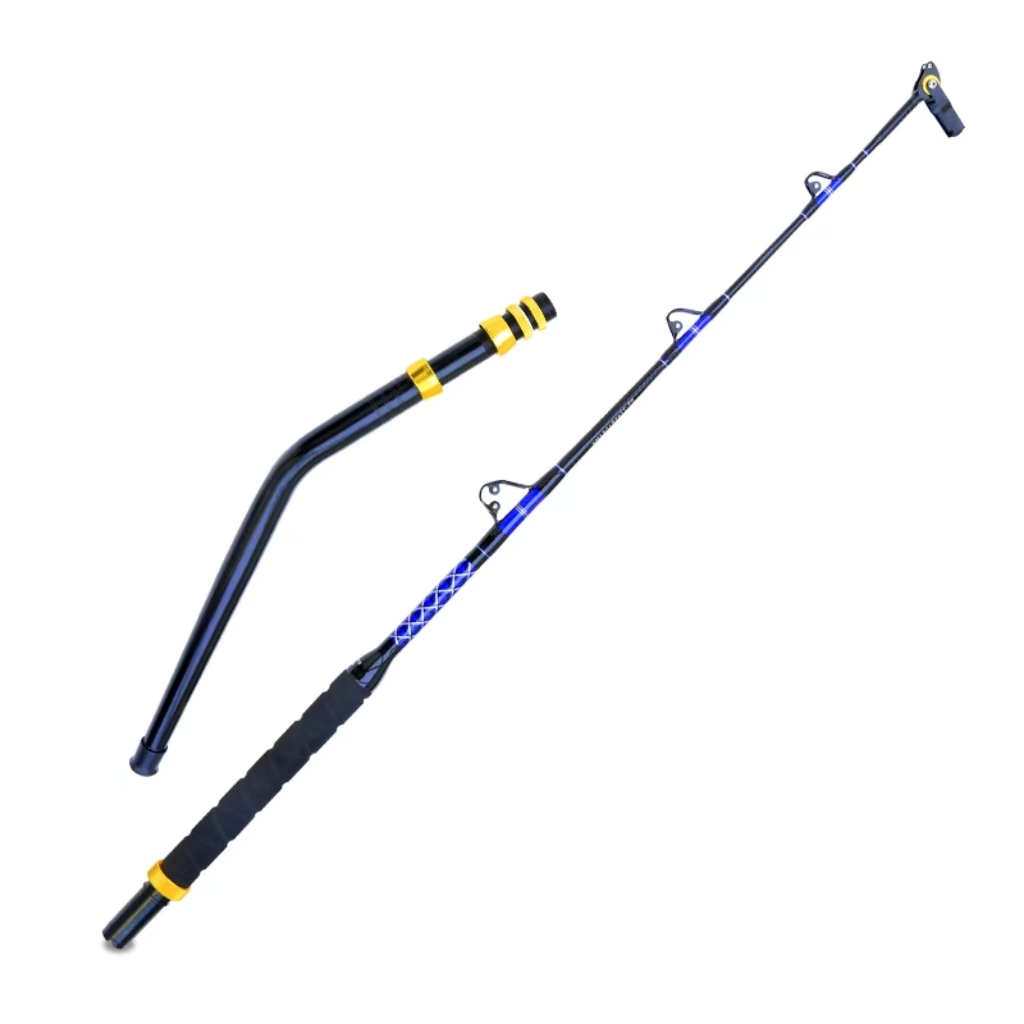
Deep sea fishing rods are specifically designed to handle the tough and demanding conditions of the ocean. These rods are built to withstand exposure to saltwater, which can cause corrosion over time, so they are made with corrosion-resistant materials such as stainless steel, graphite, or composite blends. Deep sea rods are also crafted to endure the strength and power of larger fish species, like tuna, marlin, or shark, that are typically found in the open ocean.
The structure of big game rods is more robust, featuring thicker blanks, stronger guides, and heavy-duty reel seats to handle the immense pressure from big catches. Because these rods are designed for strength and durability, they are often heavier and can be longer, allowing anglers to cast farther and fight more powerful fish.
Freshwater Fishing Rods
On the other hand, freshwater fishing rods are designed for use in calm, non-salty waters such as lakes, rivers, and ponds. These rods are typically lighter and more flexible than their saltwater counterparts, making them ideal for targeting smaller fish species like bass, trout, or panfish. Freshwater rods are made from materials like graphite or fiberglass, which offer the right balance of sensitivity and strength for fishing in freshwater environments.
Because freshwater rods are generally intended for lighter tackle and smaller fish, they feature more delicate construction, with thinner blanks, lighter guides, and more flexible actions. These rods excel in precision casting, allowing anglers to target specific spots in rivers and lakes with greater control.
In Summary:
- Saltwater fishing rods are built for tougher conditions, larger fish, and more power, offering durability and corrosion resistance.
- Freshwater fishing rods are lighter, more flexible, and ideal for catching smaller species in lakes, rivers, and ponds.
By understanding these differences, you can choose the right rod that best fits your fishing environment and species.
3. Materials Used in Saltwater vs Freshwater Rods
The materials used in fishing rods play a crucial role in determining their performance, durability, and suitability for different fishing environments. Trolling Fishing rod materials are carefully selected based on the type of water, fish species, and fishing techniques. Let’s explore the materials commonly used in tunafishing rods and freshwater rods and how they influence the rod’s effectiveness.
Saltwater Rod Materials
Saltwater fishing rods are built to withstand the harsh conditions of the ocean, where exposure to saltwater, high humidity, and corrosive elements are inevitable. As such, trolling saltwater rod materials need to be highly resistant to corrosion, while still offering strength and durability to handle large, powerful fish.
- Fiberglass: One of the most popular materials for saltwater rods, fiberglass is known for its strength and ability to handle big catches. It’s flexible, making it a great choice for rods designed for trolling or bottom fishing. Fiberglass rods are also more forgiving, which can reduce the likelihood of breaking under pressure.
- Graphite: Graphite rods are lightweight and sensitive, allowing for quick hook-setting and a better feel for the fish. While graphite is not as corrosion-resistant as fiberglass, it’s often used in high-end saltwater rods when combined with other corrosion-resistant coatings or materials.
- Composite Materials: Many saltwater rods are made from composite materials, which combine fiberglass and graphite for a balanced approach. These rods offer a good mix of power, sensitivity, and durability, making them ideal for tackling a variety of saltwater fish species.
Key takeaway: Saltwater rods often feature corrosion-resistant materials like fiberglass, graphite, and composites to withstand the tough marine environment and tackle larger fish.
Freshwater Rod Materials
Freshwater fishing rods, on the other hand, are designed for lighter, more precise fishing. Since freshwater rods are generally used for smaller fish species in calmer waters, the materials used are typically lighter, more sensitive, and easier to handle for extended fishing sessions.
- Carbon Fiber: Known for its strength-to-weight ratio, carbon fiber is a popular material for freshwater rods. It’s incredibly light, yet strong enough to handle the typical freshwater species like bass, trout, and walleye. Carbon fiber also offers a high degree of sensitivity, allowing anglers to feel the lightest bites or nibbles.
- Graphite: Graphite is another favorite material for freshwater rods due to its lightness, sensitivity, and stiffness. Graphite rods are especially good for anglers looking to feel every subtle movement of the fish. They also offer excellent casting distance and accuracy, making them ideal for targeting specific areas in lakes or rivers.
- Fiberglass: While fiberglass is heavier than graphite and carbon fiber, it still finds its place in certain freshwater rods, particularly for anglers who prefer a more flexible, forgiving rod action. Fiberglass rods are often used for trolling or for targeting fish species like catfish that require a softer, more forgiving approach.
Key takeaway: Freshwater rod materials like carbon fiber, graphite, and fiberglass provide a lighter, more sensitive feel, perfect for targeting smaller fish and offering ease of casting.

4. Durability and Strength: What’s the Difference?
When it comes to fishing rod durability and strength, the differences between saltwater and freshwater rods are essential for selecting the right gear. Both rod types are designed with specific challenges in mind, and understanding these differences can help ensure that you’re equipped with a rod that will perform reliably throughout your fishing adventures.
Saltwater Rod Durability and Strength
Saltwater fishing rods are built with durability in mind because they must endure some of the most challenging conditions in the fishing world. The harsh marine environment presents a unique set of obstacles that saltwater rods must withstand.
- Corrosion Resistance: Saltwater rods are designed to resist corrosion from saltwater, sand, and other elements. This includes the use of corrosion-resistant materials, such as fiberglass, composite, and specially coated components. The combination of salt, moisture, and exposure to UV rays can quickly wear down rods not built for this environment, making corrosion resistance a top priority for these rods.
- Rod Strength for Saltwater: The strength of saltwater rods is crucial because they are designed to handle the bigger, stronger fish species found in the ocean. These rods need to be able to withstand significant pressure and force, especially when fighting large fish like marlin, tuna, or sharks. Saltwater rods tend to be thicker, heavier, and constructed with tougher materials to handle the high-impact action required in saltwater fishing.
- UV Protection: Saltwater rods are also designed to withstand prolonged exposure to the sun’s UV rays, which can weaken and degrade other types of rods. UV-resistant coatings and materials are often used to prevent the rod from becoming brittle or damaged under the intense sun.
Key takeaway: Saltwater rods are engineered to be incredibly durable and strong, with materials and coatings that protect them from corrosion, sand, UV rays, and the wear and tear of battling larger fish in the ocean.
Freshwater Rod Durability and Strength
While freshwater rods are also built for strength, they face a very different set of durability challenges. These rods are typically used in calmer waters like lakes, rivers, and ponds, where the forces they encounter are much less intense compared to the ocean.
- Corrosion Resistance: Freshwater rods, although not exposed to the saltwater environment, still require a level of corrosion resistance, particularly if used in muddy or dirty waters. However, freshwater rods are not as heavily treated for corrosion as saltwater rods. This makes them lighter and easier to handle but less resilient to the harsh elements found in marine environments.
- Rod Strength for Freshwater: The strength required for freshwater rods is typically lower than for saltwater rods, as they are designed for smaller fish species. These rods don’t need to endure the same level of pressure or force. Instead, freshwater rods are designed to be lightweight and sensitive, enabling precise casting and quick hook-setting for species like bass, trout, and panfish.
- Flexibility and Sensitivity: Freshwater rods tend to be more flexible and sensitive, allowing anglers to feel the lighter bites of smaller fish species. This doesn’t mean they lack strength, but the materials used are optimized for ease of use and maneuverability rather than maximum strength under intense pressure.
Key takeaway: Freshwater rods are lightweight and designed for precise fishing, with less emphasis on extreme strength. They are durable enough for smaller species and less exposed to corrosion risks than saltwater rods.
5. Rod Action and Power Differences
When choosing between tuna fishing and freshwater fishing rods, understanding the differences in rod action and rod power is crucial for successful fishing. These two characteristics directly influence the performance of the rod, determining how it handles fish, how it casts, and how it responds to different types of bait and lures.
Saltwater Rod Action and Power
Saltwater rods are designed to tackle the challenges of large, powerful fish species that swim in the ocean. As a result, their action and power are specifically engineered to withstand these conditions.
- Rod Action for Saltwater: Saltwater rods often feature a stiffer action, meaning they are less flexible and provide less bend in the rod shaft. This stiffer action helps to maintain control when fighting larger fish, allowing the angler to exert more leverage. The stiffer action is also crucial for casting heavy lures or baits, as it provides greater strength and accuracy. In addition, saltwater rod action provides greater sensitivity, enabling anglers to feel every subtle change in water movement and fish behavior.
- Rod Power for Saltwater: Saltwater rods typically have higher power, which refers to the rod’s ability to handle heavier lines and tackle. High-powered rods are built to handle the extra strain from large fish like marlin, tuna, or sharks, making them perfect for big game fishing. A high-power rod gives anglers more control over heavy-duty reels and stronger lines, allowing them to fight powerful fish without compromising rod performance.
Key takeaway: Saltwater rods have stiffer actions and higher power to handle bigger fish and stronger tackle, ensuring anglers can cast accurately and fight powerful ocean species with ease.
Freshwater Rod Action and Power
In contrast, freshwater rods are built for a different style of fishing that involves smaller fish species and lighter tackle. Their action and power are optimized for precision and sensitivity, ensuring that anglers can feel even the slightest bites while casting and reeling in smaller fish.
- Rod Action for Freshwater: Freshwater rods tend to have a more flexible action, meaning the rod bends more easily throughout its length. This flexible action is ideal for casting lightweight lures, bait, or soft plastics for smaller fish species like bass, trout, and panfish. A flexible action enhances casting distance and accuracy, allowing for better control over the lure and more delicate presentations in the water. Additionally, the softer action of freshwater rods provides greater sensitivity, which helps anglers detect lighter bites.
- Rod Power for Freshwater: Freshwater rods are typically of medium to light power, designed for lighter lines and smaller fish. Since these rods are not built for the heavy-duty strains of large fish, they are more suited for delicate fishing techniques like drop shotting, jigging, or finesse fishing. With medium or light power, anglers can target fish with precision without worrying about overloading the rod or using too heavy of tackle.
Key takeaway: Freshwater rods are more flexible and light-powered, providing the necessary sensitivity and accuracy for casting smaller lures and baits to catch fish in lakes, rivers, and ponds.
6. Length and Design: Tailoring the Rod for Specific Fishing Types
When it comes to fishing rods, one of the most important factors that directly impacts performance is rod length and design. The right length and design ensure that your rod is suited to the specific fishing environment and the type of fish you’re targeting. The differences between saltwater and freshwater rods are particularly evident when considering these aspects, as the needs for fishing in the open ocean are quite different from those in lakes, rivers, or ponds.
Saltwater Rod Length and Design
Saltwater rods are designed for more demanding conditions, where anglers need to cast long distances, handle biger fish, and fight against the elements of the ocean. As a result, rod length and design are built to withstand such challenges.
- Rod Length for Saltwater: Big game rods are generally longer, typically ranging from 7 feet to 12 feet or more. The increased length provides several benefits, including the ability to cast heavier baits and lures over greater distances, making them ideal for targeting larger fish species found in deep waters or at long distances. Longer rods are also more effective when fishing in the surf, as they allow anglers to cast past breaking waves and reach fish further out from shore.
- Design for Saltwater: Deep sea fishing rods are often heavier-duty and constructed with materials that are more resistant to corrosion and abrasion caused by saltwater exposure. The design focuses on durability and strength, ensuring that the rod can endure the harsh conditions of saltwater environments. Additionally, guides and reel seats are often reinforced to handle the heavier line and tackle typically used for saltwater fishing.
Key takeaway: Longer saltwater rods (7+ feet) are essential for casting over longer distances, fighting stronger fish, and handling strong currents and tides.
Freshwater Rod Length and Design
Freshwater rods, on the other hand, are designed with more precision and maneuverability in mind. Since freshwater fishing typically occurs in more confined spaces like lakes, rivers, and ponds, rod length and design are tailored to maximize control and accuracy.
- Rod Length for Freshwater: Freshwater rods tend to be shorter, usually ranging from 6 feet to 7 feet in length. The shorter length allows for more precise casting in tight areas such as small rivers, ponds, or around obstructions like trees and rocks. This makes it easier to control the lure or bait and ensures that anglers can present their bait accurately to the fish. Shorter rods also provide greater sensitivity and finesse, which is important for targeting smaller fish species in freshwater environments.
- Design for Freshwater: Freshwater rods are typically lighter and more sensitive, enabling anglers to detect even the slightest bites or changes in the water. The design often focuses on comfort and ease of use, with ergonomic handles and lightweight construction that makes casting and fishing for extended periods more comfortable. While these rods may not be as rugged as saltwater rods, they are still strong enough to handle the types of fish found in freshwater environments.
Key takeaway: Freshwater rods (6-7 feet) are optimized for precision casting, making them perfect for fishing in tight spaces and for targeting smaller fish species in rivers, lakes, and ponds.

7. Corrosion Resistance: Why It Matters for Saltwater Fishing
When it comes to saltwater fishing, one of the most critical factors in ensuring your gear performs optimally is corrosion resistance. Saltwater environments can be harsh on fishing equipment, and rods that aren’t properly treated can suffer from corrosion, leading to decreased performance and even failure. On the other hand, while freshwater rods still need some level of protection, they don’t face the same level of corrosion risk as saltwater rods. Understanding the importance of corrosion resistance can help you make an informed choice when selecting your fishing gear.
Saltwater Rods: Built for Harsh Conditions
Saltwater rods face a significant challenge when it comes to corrosion. The salt in seawater is highly corrosive and can eat away at fishing equipment over time. That’s why saltwater rods are specifically designed to resist these conditions.
- Corrosion-Resistant Materials: Saltwater rods are often constructed from materials such as fiberglass, graphite, and composite materials that are specifically chosen for their resistance to saltwater corrosion. Many of these rods are also treated with special coatings to protect them from saltwater exposure.
- Stainless Steel and Aluminum Oxide Components: Another key feature of saltwater rods is the use of stainless steel or aluminum oxide in components like guides and reel seats. These materials are highly resistant to corrosion, ensuring that they can withstand the harsh saltwater environment without breaking down or losing their effectiveness over time. These corrosion-resistant materials are especially important for the guides of the rod, as they are in direct contact with the fishing line, and any wear or rust could result in damage to the line or lost fish.
- Special Coatings and Treatments: Some saltwater rods also feature anti-corrosion coatings applied to both the rod and its components. These coatings create a protective layer that helps to keep the salt and moisture away from the rod’s surface, increasing its longevity and effectiveness.
Key takeaway: Saltwater rods need robust protection against saltwater corrosion, using materials like stainless steel and aluminum oxide, along with protective coatings, to ensure their durability in harsh environments.
Freshwater Rods: Less Corrosion, but Still Need Protection
While freshwater rods don’t face the same level of corrosion risk as saltwater rods, they still require protection against the moisture and temperature changes that are common in freshwater environments.
- Moisture Resistance: Freshwater rods are typically made from materials that are less vulnerable to corrosion, but the components still need protection from moisture. Graphite and carbon fiber, which are commonly used in freshwater rods, are relatively resistant to corrosion. However, it’s important to note that prolonged exposure to moisture, such as leaving a rod wet after fishing, can still cause wear and deterioration over time.
- Temperature Sensitivity: Freshwater rods are more vulnerable to temperature extremes than saltwater rods. Cold temperatures can cause materials to become brittle, while high temperatures may cause rod components to degrade. While freshwater rods don’t require the same level of protection from corrosion, they do need to be stored properly and treated with care to prevent damage from environmental conditions.
Key takeaway: While freshwater rods don’t require extensive corrosion protection, they still need care to protect them from moisture and temperature fluctuations.
8. Cost Differences: Is Saltwater Fishing More Expensive?
When comparing tuna fishing saltwater rods and freshwater rods, one of the most noticeable differences is the price. Saltwater rods are typically more expensive than their freshwater counterparts. This price difference is due to several factors, including the specialized materials used in saltwater rods and their design requirements to handle more extreme conditions. Understanding these factors will help you decide whether the higher cost of saltwater rods is justified for your needs.
Saltwater Rods: Built for Durability, With a Higher Price Tag
Saltwater rods tend to be more expensive because they are designed to withstand the challenging conditions of the ocean.
- Corrosion-Resistant Materials: Saltwater rods require materials that are resistant to saltwater corrosion, such as fiberglass, graphite, and composite materials. These materials are often more costly due to their superior durability and corrosion resistance. Components like stainless steel guides, aluminum oxide inserts, and special protective coatings add to the overall cost of the rod.
- Increased Durability Requirements: Since saltwater rods need to endure salt exposure, UV rays, and rougher handling due to bigger fish and strong currents, manufacturers often need to invest in higher-grade materials and advanced manufacturing processes. This additional durability comes at a higher price.
- Specialized Construction: Many saltwater rods are designed for specific fishing techniques such as trolling or deep-sea fishing, which often require longer, sturdier rods. This specialized construction further contributes to the cost.
Key takeaway: Saltwater rods are generally more expensive due to the need for corrosion-resistant materials, increased durability, and specialized construction to handle the harsh conditions of the ocean.
Freshwater Rods: More Affordable for Lighter Use
On the other hand, freshwater rods are typically more affordable for several reasons:
- Less Focus on Corrosion Resistance: Since freshwater rods are designed for lakes, rivers, and ponds, they don’t need to be as resistant to corrosion as saltwater rods. The materials used for freshwater rods, such as carbon fiber and graphite, are still durable but don’t require the added protection against saltwater corrosion, which helps lower the cost.
- Lighter Duty Design: Freshwater rods are built for lighter tasks, like casting smaller lures or bait for freshwater species. These rods don’t need to be as heavy-duty, making them less expensive to manufacture.
- Simpler Components: Freshwater rods often use standard guides and other components that don’t require the specialized materials or coatings found in saltwater rods. As a result, freshwater rods are generally less costly.
Key takeaway: Freshwater rods are more affordable because they don’t require the same corrosion-resistant materials or extra durability needed for saltwater rods, and their lighter design makes them easier to manufacture.
9. Best Use Cases: When to Choose a Saltwater vs Freshwater Rod
Choosing between a Trolling saltwater rod and a freshwater rod largely depends on the type of fishing environment you’ll be in and the species you’re targeting. Understanding when to choose each type of rod is essential to ensuring the best performance, comfort, and success on the water. Let’s break down the best use cases for both types of fishing rods to help you make the right choice.
Saltwater Rods: Best for Ocean Fishing and Big Game Fish
Saltwater rods are designed for the tougher and more demanding conditions found in the ocean. They are built to handle the elements, as well as larger fish species that are common in saltwater fishing.
- Ideal for Ocean Fishing: Whether you’re fishing from a boat or a pier, saltwater rods are perfect for offshore fishing where you need to cast long distances, deal with strong tides, and battle the saltwater’s corrosive nature.
- Targeting Big Game Fish: If you’re planning to fish for big game species like marlin, tuna, wahoo, and sharks, saltwater rods are your go-to choice. These rods are designed to handle the powerful strikes and long runs of these large, aggressive fish, often using heavier lines and more specialized techniques like trolling or deep-sea fishing.
- Durability in Harsh Conditions: The durability of saltwater rods makes them perfect for challenging environments. Whether you’re out in the open ocean or fishing from coastal areas with strong winds and salt exposure, these rods are designed to withstand the wear and tear of both fish and weather.
Key takeaway: Big game fishing rods are best for fishing in the ocean and for targeting deep sea fish like marlin and tuna. They’re built for durability and power, ideal for long casting and handling larger, more powerful fish.
Freshwater Rods: Best for Lake, River, and Small Game Fish
Freshwater rods are perfect for anglers who fish in calm, freshwater environments like lakes, rivers, and ponds. These rods are designed for lighter use and smaller species, making them ideal for a wide range of freshwater fishing applications.
- Ideal for Lake and River Fishing: Freshwater rods are great for fishing in lakes, rivers, streams, and ponds, where conditions are typically more forgiving than the ocean. They allow for precision casting in tighter spaces, such as along shorelines or through overhanging branches.
- Targeting Smaller Species: These rods are typically suited for small to medium-sized fish, such as bass, trout, crappie, and panfish. The lighter construction of freshwater rods is perfect for casting smaller lures or baits, ideal for species that are more abundant in freshwater settings.
- Versatility for Various Techniques: Whether you’re casting lures, fly fishing, or bottom fishing, freshwater rods are versatile and adaptable to a variety of techniques. Their medium to light power makes them well-suited for finesse fishing methods, allowing anglers to enjoy a more hands-on approach with their gear.
Key takeaway: Freshwater rods are best for anglers targeting smaller fish species in lakes, rivers, and ponds. These rods are more lightweight, making them perfect for casting smaller lures or baits and providing versatility in a range of fishing techniques.

10. How to Maintain Your Rods
Proper fishing rod maintenance is essential to extending the life of your gear, ensuring it performs at its best for years to come. While both saltwater and freshwater rods require care, they have different maintenance needs due to the environments they are used in. Let’s explore the best practices for maintaining saltwater rods and freshwater rods so that you can keep them in top condition.
Saltwater Rod Maintenance: Keep Corrosion at Bay
Fishing in saltwater presents unique challenges, primarily due to the corrosive nature of saltwater. Proper maintenance is crucial for saltwater rod care to avoid rust, corrosion, and wear that can quickly damage your equipment.
- Clean After Every Use: After each fishing trip, rinse your saltwater rod thoroughly with fresh water to remove salt, sand, and other debris. Salt can build up on your rod and reel, leading to corrosion over time, so cleaning after every use is a must.
- Remove Salt Buildup: Pay extra attention to the guides, reel seat, and any other metal parts. Saltwater residue can quickly corrode these areas, so wipe them down with a damp cloth to ensure that no salt buildup remains.
- Store in a Dry Area: Always store your saltwater rod in a cool, dry place. Avoid leaving it in direct sunlight or damp environments, which can promote corrosion and damage to the materials.
- Check for Corrosion: Regularly inspect your saltwater rods for signs of corrosion, especially around the reel seat, guides, and ferrules. If you notice any rust or degradation, clean and treat the affected areas immediately to prevent further damage. Consider using corrosion-resistant oils or lubricants on the metal components to provide extra protection.
Key takeaway: Proper cleaning and storage are essential for maintaining the durability of saltwater rods. Rinse off saltwater, remove salt buildup, and store the rod in a dry area to avoid corrosion.
Freshwater Rod Maintenance: Keeping It Lightweight and Functional
Though freshwater rods don’t face the same corrosion risks as saltwater rods, they still require regular care to keep them in good working order. Ensuring that all components are functioning properly and protected from moisture will help extend the lifespan of your gear.
- Regular Cleaning: Clean your freshwater rod after each use by wiping it down with a soft, damp cloth to remove dirt, algae, or other debris. For more thorough cleaning, you can use a mild soap solution, but make sure to dry the rod completely afterward.
- Check for Secure Components: Since freshwater rods are generally used for lighter applications, it’s important to regularly check that all components—such as the reel seat, guides, and ferrules—are securely fastened. Tighten any loose parts to prevent potential damage or malfunction while casting.
- Proper Storage: Store your freshwater rod in a place that is away from extreme conditions. Avoid leaving it exposed to high heat, humidity, or direct sunlight for long periods. A rod case is a great option for keeping it protected from bumps and scrapes while not in use.
- Inspect for Cracks or Damage: Inspect the blank and guides for any cracks, chips, or signs of wear that could affect performance. Since freshwater rods are often used for lighter applications, they may be more susceptible to damage from drops or rough handling.
Key takeaway: Freshwater rod care focuses on cleaning and securing components, as well as protecting your gear from extreme environmental conditions. Regular checks will help keep your freshwater rod functioning properly and prevent premature wear.
11.Why Choose Us as Your Tuna Rod Manufacturer? 🐟🎣
When it comes to selecting the right tuna rod, you need a manufacturer that understands the power, precision, and durability required for big game fishing. Here’s why Topline Fishing Tackle should be your go-to choice for tuna rods:
1. Unmatched Quality & Durability
Our tuna rods are crafted with high-quality materials like graphite, fiberglass, and composite blends, ensuring that your rod can handle the toughest tuna catches. Built for strength and durability, these rods are engineered to withstand saltwater conditions, strong currents, and the incredible power of large tuna.
2. Designed for Big Game Fishing
We understand the unique challenges of tuna fishing. Our tuna rods are specifically designed for large fish, featuring high power and action to help you reel in your catch without compromise. The right combination of rod length, flexibility, and strength ensures a smooth, controlled fight.
3. Corrosion-Resistant Components
Saltwater can be tough on fishing gear, but our tuna trolling rods feature corrosion-resistant materials like stainless steel guides and anodized aluminum reel seats, giving you long-lasting performance even in the harshest conditions.
4. Affordable Pricing with High Value
As a direct manufacturer, we offer high-performance tuna trolling rods at competitive prices. You get the best value for your investment without compromising on quality, thanks to our efficient production processes and direct supply chain.
5. Customizable Options
Whether you’re a professional angler or a weekend warrior, we offer customizable features to meet your exact specifications. From rod length to handle grip types, we ensure that your tuna rod fits your personal fishing style and preferences.
6. Expert Craftsmanship
With years of experience in the fishing tackle industry, our team of skilled professionals is dedicated to producing rods that meet the highest standards of performance and reliability. When you choose us, you’re choosing a product built by experts for experts.
7. Reliable After-Sales Support
We’re committed to your satisfaction and offer reliable customer service to answer any questions and provide guidance after purchase. Whether it’s advice on rod maintenance or recommendations for your next fishing trip, we’ve got you covered.
Ready to Take on the Big Game?
Choose Topline Fishing Tackle for your next tuna rod. Contact us today to explore our range of products and see why we’re the trusted choice for anglers worldwide!

12. Conclusion
Choosing the right fishing rod is essential for maximizing your fishing experience, and understanding the differences between saltwater vs freshwater rods is key to making the best choice. Let’s quickly recap the key differences and offer some final thoughts on selecting the perfect rod for your fishing needs.
Key Differences Between Saltwater and Freshwater Rods
- Materials: Saltwater rods are designed with corrosion-resistant materials like fiberglass, graphite, and composite materials, ensuring they can withstand harsh saltwater conditions. Freshwater rods, on the other hand, are typically made from lighter materials like carbon fiber or graphite, focusing on ease of casting and maneuverability.
- Strength and Durability: Saltwater rods are built to handle larger fish and harsh ocean conditions, with stronger, more durable construction. Freshwater rods are lighter and less durable against corrosion, designed for smaller fish species and calmer environments.
- Design and Length: Saltwater rods are typically longer (7+ feet) and designed for casting over long distances and dealing with strong tides and currents. Freshwater rods are usually shorter (6-7 feet), optimized for casting in tighter spaces like rivers and ponds with more precision.
- Cost: Saltwater rods tend to be more expensive due to the higher quality, corrosion-resistant materials and durability required for saltwater fishing. Freshwater rods are generally more affordable, as they don’t need to withstand the same extreme conditions.
Final Thoughts: Which Rod is Right for You?
When choosing a fishing rod, it ultimately comes down to your fishing environment and target species. If you’re planning to fish in the ocean and go after bigger game fish like marlin or tuna, trolling rods are your best choice. These rods are built to withstand the harsh conditions of saltwater fishing, offering strength, durability, and the ability to cast heavy tackle over long distances.
On the other hand, if you’re fishing in lakes, rivers, or ponds targeting species like bass, trout, or panfish, freshwater rods are more suitable. These rods are designed for precision and ease of use, providing the flexibility needed for lighter tackle and smaller fish species.
In conclusion, both saltwater and freshwater rods offer unique advantages depending on your fishing needs. Understanding their differences in terms of materials, strength, design, and cost will help you choose the right rod to enhance your fishing experience.
So, whether you’re gearing up for ocean adventures or peaceful lake fishing, choosing the right rod will make all the difference in your success on the water!
-

-

-
Sale!
 Out of stock
-
Sale!
