
Introduction
Trout fishing is one of the most popular forms of freshwater angling. Whether you’re casting into a quiet mountain stream or a stocked lake, trout offer a fun and rewarding challenge for anglers of all skill levels.
To catch trout consistently, you need more than just luck. A well-prepared trout fishing kit can make the difference between a successful outing and a frustrating day on the water. The right combination of rod, reel, line, hooks, and lures helps you target trout more effectively and increases your chances of landing one.
In this guide, we’ll show you how to set up a trout fishing gear kit from scratch. You’ll learn which equipment to choose, how to organize your tackle, and what tools are essential for beginners. This article is perfect for beginner trout fishing setup tips, but intermediate anglers looking to upgrade or refresh their gear will find value too.

2. Understanding Trout Behavior (Optional but Valuable)
Before choosing your gear, it’s helpful to understand how trout behave. Knowing where they live and what they eat can guide your equipment choices.
Common Types of Trout
Rainbow Trout – The most common type for beginners. They’re aggressive feeders and often stocked in lakes and rivers.
Brown Trout – A bit warier and more challenging to catch. They prefer deeper pools and are more active in low light.
Brook Trout – Found in cold, clear streams. They’re smaller on average but strike quickly when food is near.
Habitats and Feeding Patterns
Trout like clean, cold water with plenty of oxygen. You’ll find them in rivers, streams, and high-altitude lakes. They usually stay near rocks, logs, or underwater vegetation—places where they can hide from predators and ambush prey.
They feed mostly on insects, worms, and small baitfish. Early morning and late evening are prime feeding times. Overcast days can also be excellent for trout activity.
Why This Matters for Your Setup
Each type of trout may call for slight changes in your gear. For example:
Smaller streams need light tackle and shorter rods.
Brown trout may require more natural-looking lures due to their cautious nature.
If you’re fishing in deep lakes, you’ll need heavier lures to reach the fish.
Understanding trout behavior helps you choose the right trout fishing kit and increases your chances of success.

3. Choosing the Right Rod for Trout Fishing
Picking the right rod is a key part of your trout fishing rod setup. The wrong rod can make casting harder and reduce your chances of hooking a fish. Here’s how to choose the best rod for trout fishing.
Recommended Rod Length and Power
For most trout fishing situations, a 6 to 7-foot rod works best. Choose a rod with ultralight to light power. These rods are sensitive enough to feel light bites but strong enough to land the fish.
Ultralight rods are great for small streams and smaller trout.
Light rods offer a bit more strength for larger fish or longer casts.
A shorter rod (under 6 feet) is easier to control in tight spots like creeks or brushy banks. A longer rod (over 7 feet) can help with casting distance in open water.
Rod Material: Graphite vs. Fiberglass
Graphite rods are lighter and more sensitive. They’re perfect when you want to detect soft bites.
Fiberglass rods are more durable and flexible but a bit heavier. These work well if you need a tough, forgiving rod.
Many anglers choose graphite for its feel and performance, especially when targeting skittish trout.
Spinning Rods vs. Fly Rods
Spinning rods are the best choice for most beginners. They’re easier to use, more versatile, and work well with bait, lures, or soft plastics.
Fly rods are made for fly fishing. They require more skill and specific gear. Fly fishing is great for catching trout in streams using artificial flies.

4. Selecting the Right Reel
The reel you choose plays a big role in how smoothly you cast and fight trout. A good reel balances your rod and handles light fishing line without tangles or jerks.
Spinning Reels vs. Baitcasting Reels
For trout fishing, spinning reels are the best choice—especially for beginners and intermediate anglers. They’re simple to use, easy to maintain, and work well with light lures and lines. Spinning reels also offer more control and are less likely to tangle.
Baitcasting reels, on the other hand, are designed for heavier lines and bigger fish. They’re not ideal for small trout or finesse fishing. Unless you’re targeting trophy-sized trout in deep lakes, stick with a spinning reel for your trout fishing rod setup.
Choosing the Right Reel Size
Look for a reel in the 1000 to 2500 size range. These sizes are light, compact, and match well with ultralight or light rods.
1000–1500 reels are great for small streams and creeks.
2000–2500 reels work well for larger rivers or lakes where you might cast farther.
Make sure your reel holds enough line, but avoid oversized models that add unnecessary weight.
Why the Drag System Matters
A smooth drag system is essential when fighting trout. Trout often make quick runs and sudden moves. If your drag sticks or jerks, you risk breaking the line.
Choose a reel with a front drag system for better control and durability. Test the drag before buying to make sure it engages smoothly and adjusts easily.

5. Fishing Line Essentials
Choosing the right line is just as important as picking the right rod or reel. The best fishing line for trout should be light, strong, and nearly invisible underwater. Here’s what you need to know for your trout fishing line setup.
Types of Fishing Line
There are three main types of fishing line. Each one has its pros and cons for trout fishing:
Monofilament – This is the most beginner-friendly option. It’s affordable, easy to handle, and has some stretch, which helps prevent break-offs. It’s a solid choice for most trout situations.
Fluorocarbon – Known for being nearly invisible in water. It sinks faster and is more sensitive than mono. Fluorocarbon is ideal for clear water or cautious trout.
Braided line – Extremely strong and thin for its size. It has no stretch and lasts a long time. However, it’s very visible in water and usually needs a fluorocarbon or mono leader.
Ideal Pound Test for Trout
Trout have sharp eyesight and often live in clear water. A light line gives you better stealth and more natural lure action.
For small streams or stocked trout: 2–4 lb test works best.
For rivers or larger fish: 6–8 lb test provides more strength while still staying light.
Use the lightest line you can without risking breakage. It makes your presentation more realistic.
Tips for Line Visibility and Stealth
In clear water, use fluorocarbon or a fluoro leader to reduce visibility.
Stick to low-visibility colors like clear, green, or smoke gray.
Avoid bright-colored lines unless you’re using a leader.
Using the right line helps you stay hidden from sharp-eyed trout and increases your chances of getting bites.

6. Must-Have Hooks for Trout Fishing
Hooks may be small, but they play a big role in your trout fishing success. The right size and type help you hook more fish and keep them on the line. Here’s what you need to know.
Hook Sizes for Trout
Trout have small mouths, so you don’t need large hooks. The best sizes for most trout fishing fall between #8 and #14.
#8–#10: Good for larger bait like worms or dough bait.
#12–#14: Better for small baits like salmon eggs or flies.
Smaller hooks look more natural and are less likely to spook trout. Always match your hook size to the bait you’re using.
Types of Hooks
Single hooks – The most common choice. They’re easier to set, safer to handle, and cause less damage to the fish.
Treble hooks – Often found on hard lures like crankbaits or spoons. They offer more hooking points but can be harder to remove.
Barbless hooks – Easier to release and better for catch-and-release fishing. Many areas require them by law, so check local regulations.
Hooking Tips: Bait vs. Lures
When using live bait or soft bait, thread the hook carefully to keep the bait natural-looking. Avoid large hooks that overpower the bait.
With artificial lures, use the hook that comes pre-attached or match it to the size and style of the lure. Replace dull hooks to keep your setup sharp.
Trout often bite lightly. Using the right hook size and type increases your chances of a clean hookset and a successful catch.

7. Best Lures and Baits for Trout
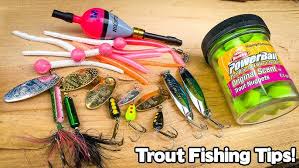
The right lure or bait can make all the difference when targeting trout. Trout are selective feeders, so matching your offering to their environment and behavior is key. Here’s a breakdown of the best trout fishing lures and bait options for your trout bait setup.
Popular Lures for Trout
Artificial lures are great for covering water and triggering reaction strikes. Some top choices include:
Spinners – These flash and vibrate, drawing attention in moving water. Brands like Panther Martin and Rooster Tail are popular.
Spoons – Their wobbling action mimics injured baitfish. Use them in lakes or deeper pools.
Soft plastics – Small worms or grub imitations work well on light jig heads, especially in slow-moving water.
Crankbaits – Use mini crankbaits to imitate small minnows. They’re best for larger trout in lakes or deep runs.
Change your retrieve speed and direction to see what gets bites.
Natural Baits
Natural bait is often the most effective choice, especially for stocked or pressured trout.
Worms – A classic option. Use a small piece on a single hook for a natural look.
Salmon eggs – Bright and buoyant, they work well in clear streams.
Corn – Surprisingly effective, especially on stocked trout. Use one or two kernels on a small hook.
Make sure bait is fresh and presented naturally to increase your chances.
Matching Lure Color to Water Conditions
Choosing the right color improves visibility and appeal:
Clear water – Use natural or dull colors like silver, brown, or olive.
Muddy or stained water – Go for bright colors like chartreuse, orange, or gold.
Overcast days – Use flashy lures to reflect limited light.
Always observe the water before choosing your bait or lure color.

8. Additional Gear to Include in Your Kit
A well-stocked tackle box helps you stay prepared on the water. Besides your rod, reel, line, and hooks, a few extra tools can make trout fishing easier and more enjoyable.
Tackle Box Organization
Keep your gear organized to save time and avoid frustration. Use a small or medium-sized tackle box with multiple compartments. Group similar items together—hooks in one section, lures in another. Label boxes if needed. This makes it easier to find what you need quickly.
Essential Small Items
Swivels – Prevent line twist when using spinners or spoons. Use small sizes to stay subtle.
Split shots – Add weight to your line for better casting or to sink bait deeper.
Bobbers – Great for suspending bait off the bottom. Choose small, sensitive bobbers for trout.
These items are cheap, light, and useful in many situations. Always keep extras in your kit.
Polarized Sunglasses
Polarized sunglasses reduce glare on the water. They help you see into the water and spot trout, especially in shallow streams or clear lakes. They also protect your eyes from hooks and sun exposure.
Landing and Handling Tools
Net – Use a rubber or soft mesh net to safely land trout without harming their slime coating.
Pliers – Handy for removing hooks, especially from deeply hooked or toothy trout.
Stringer or Creel – If you plan to keep fish, use a stringer or creel to store them safely in the water.
These tools help you fish more efficiently and handle trout with care.

9. Tips for Assembling and Organizing Your Trout Fishing Kit
A well-organized trout fishing kit saves time and keeps you ready for any situation. Here are some tips to assemble and organize your gear effectively.
Pack for Portability
When fishing rivers or streams, keep your kit light and easy to carry. Use a small tackle bag or backpack with multiple compartments. Carry only the essentials to avoid extra weight. Compact gear helps you move quickly and stay comfortable on uneven terrain.
Waterproof Storage Tips
Keep your gear dry with waterproof containers or resealable plastic bags. Store extra line, hooks, and lures in waterproof cases to prevent rust and damage. Use waterproof zip pouches for electronics, licenses, and your phone. Dry gear performs better and lasts longer.
Maintenance Tips for Rods and Reels
After each fishing trip, rinse your rod and reel with fresh water to remove dirt, debris, and any salt (if fishing near the coast). Dry them thoroughly before storing. Lubricate your reel regularly to keep it smooth. Check your line for nicks or frays and replace it if needed. Proper care extends the life of your gear and improves performance.
10. Safety and Local Regulations
Before you head out, make sure you follow safety rules and local fishing laws. Respecting these helps protect the environment and ensures you have a great experience.
Fishing Licenses
Most areas require a fishing license to fish legally. Check local regulations to find out where and how to get one. Carry your license with you whenever you fish. Fishing without a license can lead to fines or penalties.
Size and Bag Limits
Local rules often set size and bag limits to protect trout populations. Size limits determine the minimum or maximum length of fish you can keep. Bag limits restrict how many fish you can catch and keep per day. Always check these limits before fishing and stick to them.
Catch-and-Release Considerations
If you plan to release trout, handle them carefully. Use barbless hooks to reduce injury. Wet your hands before touching the fish to protect its slime coat. Avoid keeping trout out of the water for too long. Gently release the fish back into the water and allow it to swim away on its own.
Following safety tips and local regulations helps preserve trout habitats and ensures fishing stays enjoyable for everyone.

11. Frequently Asked Questions (FAQs)
What’s the best trout fishing kit for beginners?
A beginner’s trout fishing kit should include a 6-7 foot ultralight or light spinning rod, a small spinning reel (1000-2500 size), 4-6 lb test monofilament or fluorocarbon line, a selection of small hooks (#8 to #14), and basic lures like spinners and soft plastics. Add some natural bait like worms for easier catching.
Can I use the same setup for river and lake trout?
Yes, you can use a similar setup for both. However, river fishing often requires shorter rods for tight spaces and lighter gear for delicate presentation. For lakes, you might want slightly heavier gear to cast farther and handle larger fish.
What time of day is best for trout fishing?
Early morning and late evening are the best times to fish for trout. During these cooler hours, trout feed more actively. Overcast days also improve trout activity since fish feel safer feeding under low light.
12. Conclusion
Setting up the right trout fishing kit makes your time on the water more enjoyable and successful. Remember to choose a good rod and reel, pick the right line and hooks, and bring effective lures or natural bait. Don’t forget essential extras like swivels, bobbers, and polarized sunglasses.
Now that you know the basics, it’s time to gather your gear and start fishing. Every trip is a chance to learn and improve your setup.
Have you built your own trout fishing kit? Share your tips or favorite gear in the comments below. We’d love to hear your experience!
-

-

-
Sale!
 Out of stock
-
Sale!
