
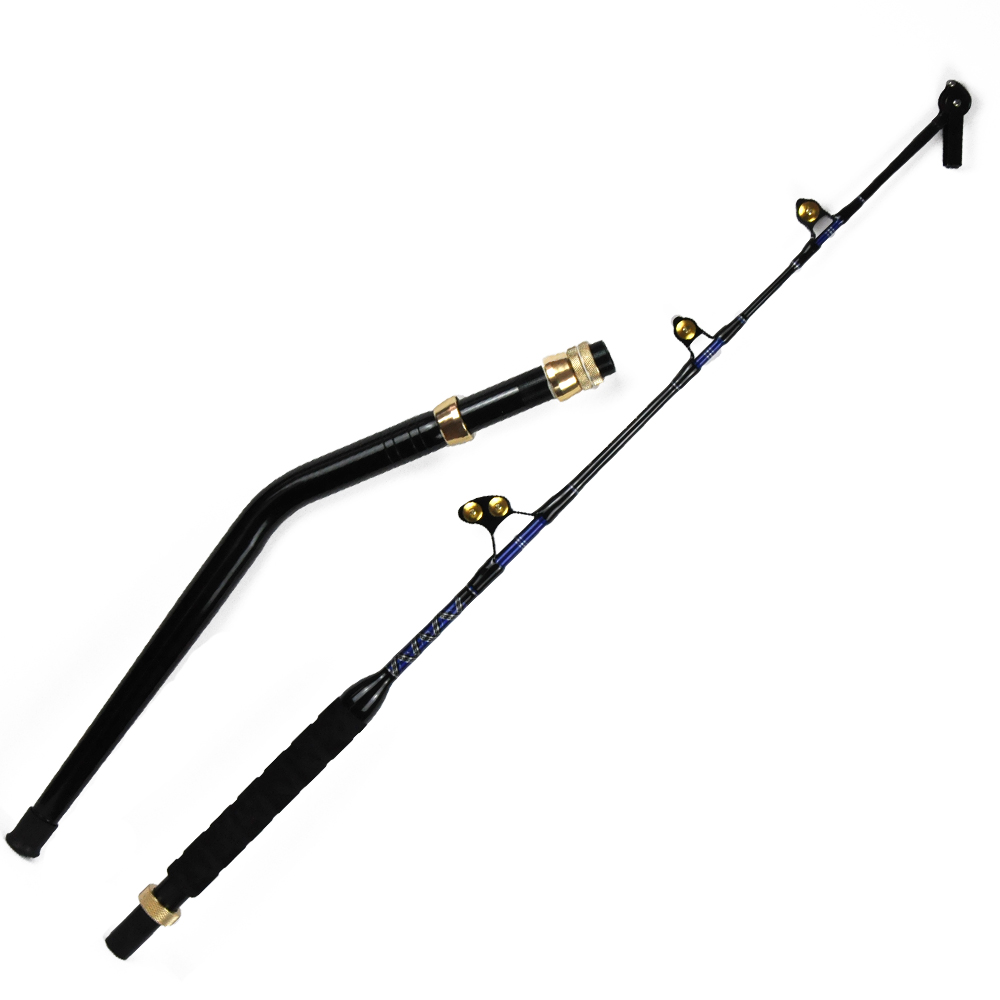
1. Introduction: Why the Right Saltwater Fishing Rod Matters
Saltwater fishing is a rewarding yet demanding pursuit that pushes your gear to the limits. Unlike freshwater environments, saltwater is highly corrosive, especially to metal components on rods and reels. Whether you’re targeting trophy fish offshore or involved in large-scale commercial tuna fishing, having the right rod isn’t just helpful — it’s essential. This guide will explore the best saltwater fishing rods that offer both corrosion resistance and exceptional strength, helping you choose gear that won’t fail in the heat of the fight. Whether you’re an amateur angler or a seasoned commercial fisherman, investing in the right equipment can make all the difference.
2. Why Corrosion Resistance Is Essential in Saltwater Environments
Saltwater is brutal on gear. Even a short trip can begin to eat away at components not designed to resist corrosion. Salt air, spray, and even fish slime accelerate wear on traditional rods. That’s why choosing saltwater fishing rods with anti-corrosion features—like stainless steel guides, anodized reel seats, and sealed hardware—is crucial. These materials don’t just prolong the rod’s life, they also preserve performance. For anglers targeting big game like tuna, reliability is key. You can’t afford failure in the middle of a run. Corrosion-resistant rods keep you fishing longer, harder, and with fewer breakdowns.

3. Strength and Power: The Backbone of Big Game Fishing
When it comes to landing a powerful fish like yellowfin or bluefin tuna, the strength of your rod is non-negotiable. A weak rod will simply snap under the pressure of a 100+ pound fish. Saltwater rods are engineered to provide the backbone and lifting power needed for long battles. This strength comes from reinforced blanks, often made from advanced materials like carbon composite or E-glass, which balance flexibility with unbreakable durability. A strong rod distributes pressure evenly and resists the intense bending stress tuna and other large pelagic species exert when they dive deep or make sudden turns.
4. The Best Materials for Long-Lasting Saltwater Rods
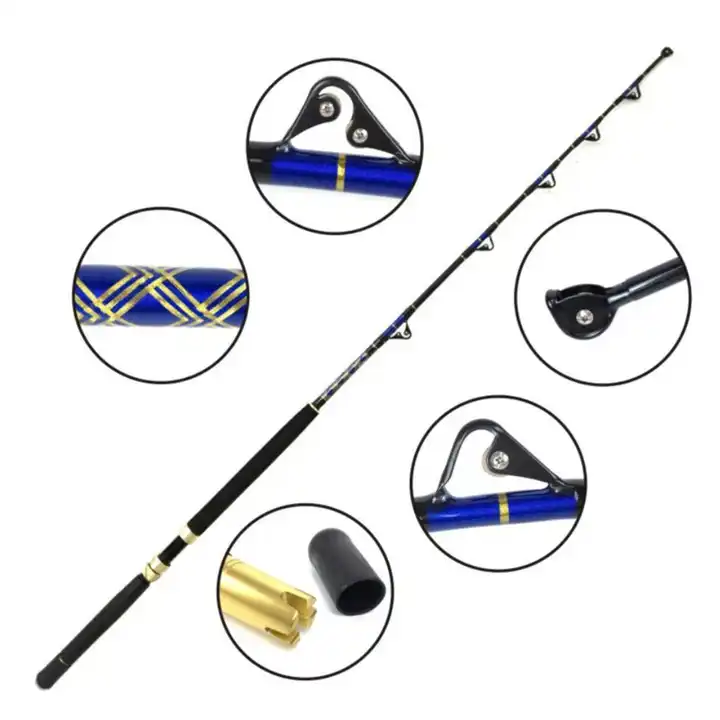
Material selection plays a huge role in a rod’s performance and durability in harsh marine conditions. Graphite is known for its light weight and sensitivity, while fiberglass offers superior strength and shock resistance. Many high-end saltwater rods use a composite blend of both to balance feel and power. Guide frames are typically made from titanium or stainless steel with ceramic inserts to prevent line wear. Reel seats often use anodized aluminum, which resists rust while firmly holding reels in place. Handles made of EVA foam or heat-shrink grips provide comfort and control, even when wet. The right materials not only improve function but also extend the lifespan of your gear.

5. Best Saltwater Rods for 2025: Brands and Models to Watch
The market is full of options, but a few standout rods have earned the trust of serious saltwater anglers. In 2025, models like the Shimano Ocea Plugger Full Throttle, Penn Carnage III, and Daiwa Saltiga G are making waves for their blend of corrosion resistance and raw strength. These rods are built with high-end materials, ergonomic handles, and heavy-duty guides that can withstand salt exposure and powerful fish. For commercial tuna fishing, brands like Okuma and TICA offer rods specifically designed for deep-sea endurance and high line capacity. When choosing a rod, look for those rated for 50–130 lb class lines and featuring solid backbone construction.
6. Don’t Forget the Reel: Matching Strength with Durability
A high-performance rod must be paired with an equally tough reel. Saltwater fishing reels need to be sealed, corrosion-resistant, and capable of delivering powerful, smooth drag. Lever drag reels are popular in tuna fishing for their precise control, while spinning reels with high line capacity are favored for versatility. Look for models made from aluminum or carbon frames, with stainless steel ball bearings and waterproof drag systems. Brands like Shimano, Accurate, and Avet offer reliable options for professional use. A mismatched rod and reel setup will underperform or fail altogether, so choosing a strong, saltwater-ready combo is critical.

Why Choose Us as a Tuna Fishing Rods Manufacturer
When it comes to tuna fishing, precision, strength, and reliability are non-negotiable — and that’s exactly what we deliver. With over a decade of experience in manufacturing high-performance fishing rods, we understand the extreme demands of commercial and offshore tuna fishing. Every rod we produce is engineered with corrosion-resistant components, reinforced blanks, and ergonomic designs tailored to withstand the brutal runs and deep dives of giant tuna.
Our factory integrates advanced materials such as high-modulus carbon fiber, E-glass composites, and marine-grade stainless steel to ensure superior durability in harsh saltwater environments. We don’t just meet industry standards — we exceed them through rigorous quality testing and continuous innovation. Whether you’re a brand sourcing for high-volume retail or a charter company looking for custom-built gear, we offer OEM/ODM services with flexible MOQ, fast lead times, and full after-sales support.
Choosing us means partnering with a team that truly understands the needs of professional anglers. From product development to packaging, we’re committed to helping you grow your business with fishing rods that perform where it matters most — out on the water.
7. What Commercial Tuna Fishing Gear Looks Like
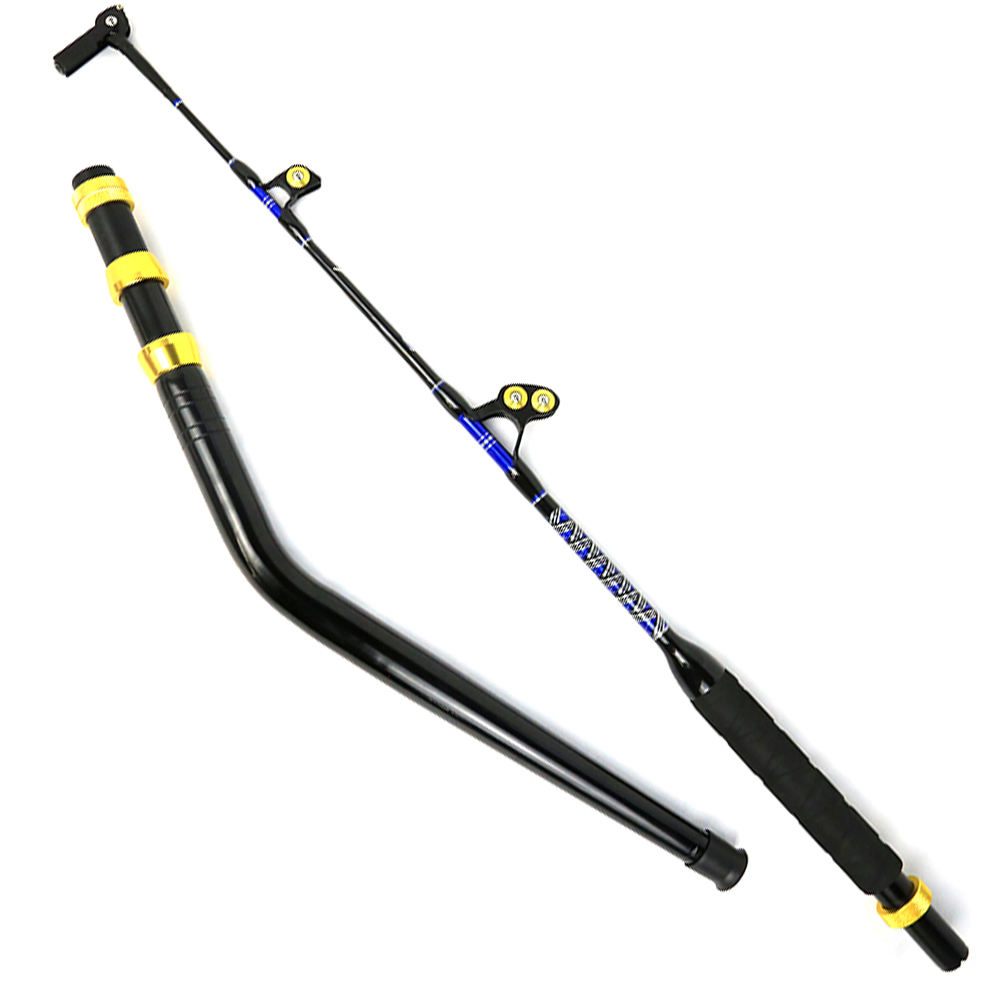
Commercial tuna fishing isn’t for the faint of heart. These operations require gear that can handle hours of heavy lifting, exposure to saltwater spray, and the brute strength of massive fish. Professionals use long-range trolling rods, heavy-duty rail rods, and stand-up rods paired with high-capacity reels. Rods are often customized for durability and comfort, featuring oversized guides, reinforced butts, and extra-strong blanks. The goal is to reduce angler fatigue while maximizing pulling power. This type of gear must perform flawlessly under extreme stress. For those looking to upgrade from recreational to commercial-grade, investing in purpose-built rods and reels is essential.

8. Conclusion: Equip Yourself for Saltwater Success
When fishing in saltwater—especially for powerful species like tuna—your gear can’t be second-rate. Corrosion resistance and strength are not features to compromise on; they’re necessities. By investing in high-quality rods and reels designed for saltwater environments, you ensure better performance, longer lifespan, and fewer gear failures. Whether you’re a weekend warrior or a full-time tuna fisherman, the right tools will elevate your experience and results. Explore our top recommendations today and gear up for your best season yet.
-

-

-
Sale!
 Out of stock
-
Sale!
