
1. Introduction: Why Fishing Reel Maintenance Matters
A fishing reel is more than just a tool—it’s a crucial part of your fishing gear that directly affects your success on the water. Whether you’re a seasoned angler or just starting, understanding the importance of fishing reel maintenance can make all the difference. Regular care ensures your reel performs at its best, season after season, and helps avoid costly repairs or replacements.
Proper fishing reel maintenance offers several key benefits:
- Longer Lifespan: With regular cleaning, lubrication, and part replacement, you can significantly extend the life of your fishing reel. By preventing wear and tear, you’ll avoid the need for frequent repairs and keep your reel functioning for years to come.
- Better Performance: A well-maintained reel operates more smoothly and efficiently. Proper care keeps the gears and drag systems in top shape, leading to more accurate casts, easier retrievals, and fewer chances of malfunctions mid-catch.
- Smoother Fishing Experience: Imagine casting without worrying about a sticky drag or tangled line. With consistent care, your fishing reel will provide you with a smoother, more enjoyable fishing experience, allowing you to focus on what matters most—catching fish!
By committing to regular fishing reel maintenance, you’re not only preserving your investment but also enhancing your fishing performance. In the following sections, we’ll guide you through the essential steps to keep your reel in prime condition, ensuring it delivers optimal results every time you hit the water.

2. Understanding Your Fishing Reel
Before diving into the specifics of fishing reel maintenance, it’s essential to understand the different types of fishing reels and their key components. Each reel serves a unique purpose and is designed with specific fishing techniques in mind. Having a clear understanding of your fishing reel’s anatomy will not only help you care for it properly but also improve your overall fishing experience.
Types of Fishing Reels
- Spinning Reels
Spinning reels are the most common and versatile reels, ideal for beginners and experienced anglers alike. These reels feature a fixed spool that stays in place while the line is released as you cast. Spinning reels are great for light tackle fishing, freshwater fishing, and casting a variety of lures. They are particularly known for their ease of use and smooth drag system. - Baitcasting Reels
Baitcasting reels are favored by experienced anglers for their precision and control. These reels have a rotating spool and require a more skilled hand to cast effectively. Baitcasting reels excel in handling heavier lines and larger fish, making them ideal for bass fishing or larger saltwater species. They offer superior accuracy and are typically equipped with advanced drag and brake systems. - Trolling Reels
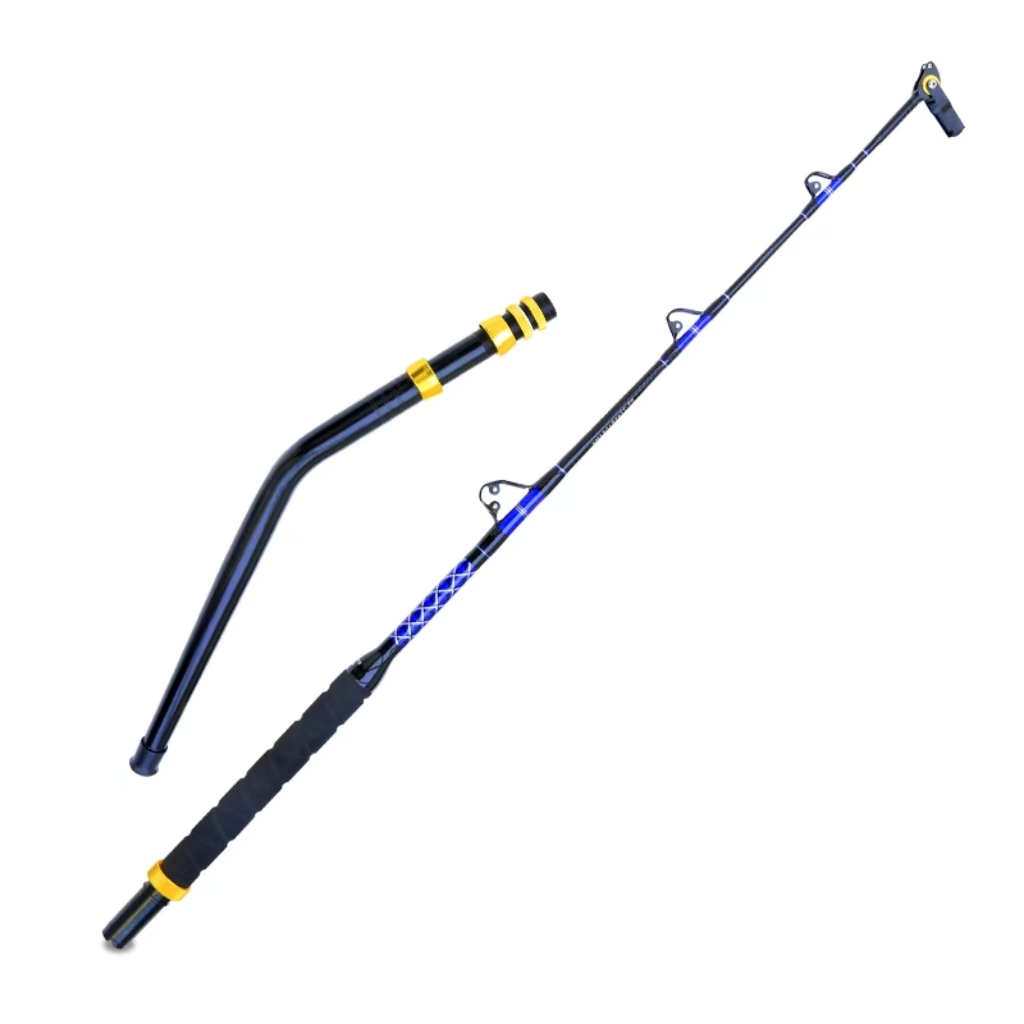
Trolling reels are designed for deep-water fishing, saltwater fishing, ocean fishingwhere you pull bait or lures behind a moving boat. These reels have high line capacities and strong drag systems, allowing you to reel in large fish such as tuna, marlin, or wahoo. Trolling reels are built to handle the stresses of pulling heavy lines at high speeds, making them an essential tool for big-game anglers.
Key Components of a Fishing Reel
A fishing reel consists of several components, each playing a vital role in its performance. Understanding these parts will help you maintain and repair your reel when necessary.
- Spool
The spool is the part of the reel that holds the fishing line. It’s essential to ensure the spool is free of any nicks, grooves, or damage, as this can cause the line to tangle or wear prematurely. Regular cleaning and inspection of the spool will help maintain smooth line retrieval. - Drag System
The drag system is responsible for controlling the amount of resistance when a fish pulls on the line. A smooth, well-maintained drag system is crucial for avoiding line breakage during a fight with a big catch. Regular lubrication and inspection of the drag washers can help prevent issues like sticky or uneven drag performance. - Gears
The gears inside the reel work together to move the spool and retrieve the line. Over time, gears can wear down, leading to rough or inefficient operation. Keeping the gears properly lubricated and ensuring there are no signs of rust or corrosion will help maintain smooth functionality. - Bearings
Bearings allow the spool and other moving parts to rotate smoothly. High-quality bearings are essential for reducing friction, making your reel easier to handle. Be sure to clean and lubricate bearings regularly to keep them from seizing or becoming stiff, especially after exposure to saltwater.
By understanding the types of fishing reels and the components that make them work, you’ll be better equipped to perform regular maintenance and identify potential issues. Whether you’re using a spinning, baitcasting, or trolling reel, knowing your reel inside and out will ensure its longevity and top-notch performance.
3. Basic Steps for Fishing Reel Maintenance
Proper maintenance is key to ensuring your fishing reel lasts and performs at its best. By following a few essential steps, you can keep your reel in prime condition, preventing unnecessary repairs and extending its lifespan. Here’s a breakdown of the most important tasks involved in fishing reel maintenance:
Regular Cleaning
Why Cleaning Your Reel Is Important
Cleaning your fishing reel regularly helps prevent the build-up of dirt, saltwater, and grime, which can cause corrosion, reduce performance, and wear down components. Regular cleaning not only keeps your reel functioning smoothly but also prevents line tangles and drag malfunctions.
Step-by-Step Guide to Cleaning a Fishing Reel
- Disassemble the Reel: Remove the spool, handle, and other removable parts to access the internal components.
- Clean the Exterior: Use a soft cloth to wipe down the exterior of the reel, removing dirt and dust. For stubborn grime, a small brush can help.
- Clean the Spool and Bearings: Use a soft brush or compressed air to clean the spool and bearings. Be careful not to damage any small parts.
- Wash with a Cleaning Solution: If your reel has been exposed to saltwater, rinse it gently with warm, fresh water. A mild cleaning solution can be used for tougher grime. Avoid submerging the reel completely.
- Dry and Reassemble: After cleaning, dry all parts thoroughly to prevent moisture from causing rust or corrosion. Reassemble the reel once it’s completely dry.
Materials and Tools Required
- Soft cloth or microfiber towel
- Small brush (e.g., a toothbrush)
- Cleaning solution or mild soap
- Compressed air or air blower
- Freshwater for rinsing
Lubrication and Oil Application
Importance of Lubrication for Smooth Performance
Lubricating your fishing reel is vital to ensure smooth operation and reduce friction. Proper lubrication helps maintain the internal moving parts, allowing the spool, gears, and bearings to function without unnecessary wear. Without regular lubrication, these parts can seize, leading to poor reel performance and potential damage.
Best Types of Oils and Greases for Different Reel Components
- For Bearings: Use light oil specifically designed for fishing reels to ensure smooth rotation and minimal friction.
- For Gears: Use a heavier grease designed for reel gears to ensure proper lubrication and protection from wear.
- For Drag System: Apply drag-specific grease to washers to maintain smooth drag performance and prevent sticking.
How Often Should You Lubricate Your Reel?
Lubrication frequency depends on how often you fish and the conditions you fish in. As a general rule:
- After every use in freshwater: Lubricate the reel every 10-15 fishing trips.
- After exposure to saltwater: Always rinse and lubricate the reel after each use.
- Annually: Even if you don’t use the reel often, perform a full lubrication at least once a year.
Inspecting and Replacing Parts
Signs of Wear and Tear
Over time, components like gears, drag washers, and line guides can wear down, especially with regular use. Here are some signs that maintenance or replacement may be necessary:
- Gears: If your reel is making grinding or squeaking noises during retrieval, it could be a sign that the gears need lubrication or replacement.
- Drag Washers: If your drag feels uneven or sticky, it could indicate that the washers need cleaning or replacing.
- Line Guides: Check for wear or damage on the line guides, which could cause tangling or line damage.
When to Replace Parts
While regular maintenance can extend the life of your reel, certain parts will eventually need to be replaced:
- Bearings: If the reel feels stiff or doesn’t spin freely, the bearings may need to be replaced.
- Bushings: Worn bushings can cause the reel to wobble or feel unsteady during use.
- Drag Washers: If the drag isn’t functioning smoothly or is slipping, it’s time to replace the drag washers.
By regularly inspecting and replacing parts as necessary, you can keep your reel in peak condition, ensuring that it performs reliably and lasts for years.

4. How to Store Your Fishing Reel Properly
Proper storage of your fishing reel is just as important as regular maintenance. Storing your reel incorrectly can lead to corrosion, wear, and performance issues, especially if it’s exposed to harsh conditions like moisture, dust, or extreme temperatures. By following the best practices for fishing reel storage, you can extend its life and ensure it’s ready to perform at its best when you need it.
Importance of Proper Storage to Prevent Corrosion and Damage
Fishing reels, especially those used in saltwater, are highly susceptible to corrosion if not stored properly. Even the smallest amount of moisture can cause rust and damage to key components like the gears, drag system, and bearings. Storing your reel in a way that protects it from humidity, dirt, and physical impact is essential for maintaining its longevity and functionality.
By taking a few simple steps to store your reel correctly, you can avoid common problems such as:
- Corrosion and rust on internal parts, particularly after exposure to saltwater.
- Drying out or stiffening of lubricants, which affects smooth operation.
- Damage to delicate components, including the drag washers and bearings.
Best Practices for Storing Reels During the Off-Season
When you’re not using your fishing reel regularly, it’s important to prepare it for the off-season and ensure it stays in top condition. Here are some tips for storing your fishing reel when it’s not in use:
- Clean and Dry the Reel: Before storing your reel, give it a thorough cleaning to remove any dirt, salt, or debris. Dry it completely to prevent moisture from causing rust or corrosion. If you’ve used your reel in saltwater, it’s especially crucial to rinse it with freshwater and let it dry thoroughly before storage.
- Lubricate the Reel: Apply a light coat of lubrication to the moving parts, such as the bearings, gears, and drag system. This will protect them from moisture and keep everything running smoothly when you’re ready to use it again.
- Remove the Line: If you plan on storing the reel for a long period, consider removing the fishing line. Storing the line on the reel for extended periods can lead to memory issues or tangling. It also allows you to inspect the spool for any damage.
- Store the Reel in a Protective Case: Use a reel case or protective bag to keep dust, dirt, and moisture away. This is especially important for reels with sensitive components like a baitcasting reel’s brake system or the drag washers in trolling reels.
Recommended Storage Locations and Conditions
To ensure your fishing reel stays in good condition during the off-season, it’s important to store it in the right environment. Here are some key factors to consider:
- Cool, Dry Place: Store your reel in a cool, dry location away from direct sunlight, heat, or humidity. A temperature-controlled area, such as a closet or storage cabinet, is ideal. Avoid storing your reel in places with high moisture levels, such as garages, basements, or damp sheds.
- Avoid Extreme Temperatures: Extreme heat or cold can damage the delicate internal components of your reel. Store your reel at room temperature or in an environment with a stable, moderate temperature to prevent any issues.
- Keep Away from Chemicals or Harsh Substances: Avoid storing your reel near harsh chemicals, cleaning products, or solvents, as these can damage its finish or internal parts. It’s best to store your reel in a place where it won’t come into contact with any potentially harmful substances.
- Use a Reel Stand: If you don’t have a protective case, you can store your reel on a reel stand to keep it upright and safe from potential damage. This prevents pressure from being placed on sensitive parts like the spool or drag system.
Fishing Reel Care Tips for Storage
- Always inspect your reel before storing it for long periods to make sure it’s in good working condition.
- If you store your reel in a case or bag, make sure it’s breathable to avoid trapping moisture inside.
- For reels used in saltwater, consider applying a thin layer of anti-corrosion lubricant or spray on the exterior before storage to add an extra layer of protection against rust.
By following these fishing reel storage tips, you’ll ensure your reel stays in excellent condition, ready to deliver top-notch performance the next time you head out on the water.
5. Common Fishing Reel Problems and Troubleshooting
Even with regular maintenance, fishing reels can sometimes encounter issues that affect their performance. Whether you’re dealing with a squeaky reel, a slipping drag, or tangled lines, it’s important to know how to troubleshoot and address these common problems. In this section, we’ll cover the most frequent issues anglers face with their reels and provide solutions to get your reel back in working order.
Common Issues
- Squeaking or Grinding Noises One of the most common issues with fishing reels is squeaking or grinding noises during retrieval. This can happen when the internal gears or bearings are not properly lubricated or are worn out over time. A squeaky reel can make fishing frustrating and reduce the reel’s efficiency.
- Drag Slipping A slipping drag can be a major problem, especially when you’re reeling in a big fish like tuna or marlin fish. This issue occurs when the drag system fails to maintain consistent tension on the line, causing it to slip or become inconsistent. This could be caused by worn-out drag washers, insufficient lubrication, or a misadjusted drag system.
- Line Tangling Line tangling, also known as “backlash” in baitcasting reels, can be one of the most frustrating problems for anglers. It occurs when the spool spins faster than the line is released, causing the line to wind incorrectly and create tangles or knots. This issue is common with baitcasting reels but can also affect spinning reels under certain conditions.
How to Troubleshoot and Fix These Problems
- Squeaking or Grinding Noises
- Cause: Likely due to dry or worn bearings or gears.
- Fix:
- Lubricate the Reel: Apply appropriate oil to the bearings and gears to reduce friction. This should alleviate the squeaking noise.
- Clean and Re-grease: If the noise persists after lubrication, disassemble the reel and clean the gears and bearings. Apply fresh grease to the gears and oil to the bearings.
- Replace Worn Parts: If the noise continues despite lubrication, the bearings or gears might be worn out and need to be replaced.
- Drag Slipping
- Cause: Worn drag washers, improper drag adjustment, or lack of lubrication.
- Fix:
- Clean and Lubricate the Drag System: Remove the drag washers and clean them to remove any dirt or debris. Apply a thin layer of drag-specific grease to the washers.
- Adjust the Drag: Ensure the drag is set correctly for the type of fishing you’re doing. A too-tight drag can cause slipping, while too loose will lead to insufficient resistance.
- Replace Drag Washers: If cleaning and lubricating don’t solve the issue, replace the drag washers, as they may have worn out.
- Line Tangling (Backlash or Bird’s Nest)
- Cause: This usually occurs when the spool spins faster than the line is released, leading to a tangled mess. It’s more common with baitcasting reels but can also occur with spinning reels under heavy load or improper line spooling.
- Fix:
- Adjust the Brake System: For baitcasting reels, ensure the brake system is set correctly. Tighten the spool tension knob to slow down the spool, which helps prevent overrun.
- Use the Right Line: Ensure that the line is not too heavy or too light for the reel. Also, avoid using old, brittle line that can easily tangle.
- Practice Your Cast: Sometimes, backlash can occur due to poor casting technique. Practice smooth, controlled casts to avoid excessive spool rotation.
- Check for Line Spool Issues: Make sure the line is spooled correctly on the reel. Improper line spooling can also contribute to tangling. Re-spool the line if necessary.
When to Consult a Professional Reel Technician
While many common reel problems can be resolved with some basic troubleshooting, there are situations where it’s best to consult a professional technician:
- Internal Damage: If you suspect internal damage to the gears, bearings, or drag system that requires disassembly beyond basic cleaning, it’s best to take the reel to a technician.
- Persistent Problems: If you’ve tried troubleshooting and the issue persists (e.g., drag slipping despite cleaning), a professional will be able to identify underlying issues, such as worn components that need replacing.
- Saltwater Corrosion: Reels used in saltwater environments are particularly susceptible to corrosion. If corrosion has set in or is affecting performance, it’s best to consult a technician for a deep cleaning and parts replacement.
- Reel Calibration: If your reel is off-calibration or experiencing precision issues that affect casting or retrieval, a technician can help restore its performance.
By understanding how to troubleshoot common fishing reel problems, you can fix many issues on your own. However, for more complex problems, seeking the expertise of a professional will ensure your reel stays in top condition for years to come.

6. Tips for Extending the Life of Your Fishing Reel
To get the most out of your fishing reel, regular care and attention are essential. By following a few simple tips, you can extend the life of your reel and maintain its peak performance for many years. Whether you’re fishing in fresh or saltwater, these strategies will help you keep your reel in top shape and ready for every cast.
Regular Maintenance Schedule
One of the best ways to extend the life of your fishing reel is to establish a regular maintenance schedule. Regular maintenance helps prevent issues from developing and ensures your reel is always operating at its best.
- Seasonal Care: At the start of each fishing season, perform a full inspection and maintenance routine, including cleaning, lubricating, and checking for worn parts. After every fishing season, do a more thorough checkup to address any wear and tear accumulated over time.
- Post-Use Care: After every fishing trip, especially if you’ve been out in saltwater, always rinse your reel with fresh water to remove any salt or debris. Wipe down the exterior and apply lubrication to the moving parts. This prevents corrosion and ensures smooth performance on your next outing.
Protecting Your Reel from Saltwater and Dirt
Saltwater is one of the biggest threats to the longevity of your fishing reel. It can cause corrosion, rust, and wear down the internal components. Dirt, mud, and sand also pose a risk, as they can affect the reel’s movement and cause friction.
- Rinse After Use: Always rinse your reel thoroughly with fresh water after using it in saltwater. Pay extra attention to the drag system, spool, and bearings to wash away salt and grime.
- Use Protective Covers: When transporting or storing your reel, use protective covers to shield it from dirt, sand, and moisture. This is especially important if you’re fishing in areas with high dust or salt exposure.
- Avoid Submerging the Entire Reel: Never submerge the entire reel in water unless it’s specifically designed for that purpose. Instead, gently rinse the exterior, being careful not to allow water to seep into the internal mechanisms.
Storing Your Reel Properly During Winter Months
When the fishing season winds down, proper winter storage is critical to maintaining your reel’s performance. Storing your reel incorrectly can lead to rust, corrosion, or other damage during the off-season.
- Clean and Dry Thoroughly: Before storing your reel for the winter, give it a thorough cleaning to remove any remaining dirt or saltwater residue. Dry it completely to prevent moisture from causing internal rust.
- Lubricate Moving Parts: Apply a light coat of lubricant to the reel’s gears, bearings, and drag system before storing it. This keeps the components from drying out and ensures they remain smooth and functional.
- Store in a Cool, Dry Place: During the winter months, keep your reel in a temperature-controlled, dry environment. Avoid storing it in places where it could be exposed to extreme cold or humidity, such as garages, basements, or sheds.
- Use a Reel Case or Bag: For added protection, store your reel in a padded reel case or protective bag. This keeps it safe from dust, dirt, and potential impacts.
By following these tips for proper maintenance, protection, and storage, you can significantly extend the life of your fishing reel and maintain its performance year after year.
7. Conclusion
Fishing reel maintenance is crucial for ensuring your reel performs at its best and lasts for many fishing seasons to come. Regular care, proper storage, and the right maintenance practices will not only prevent common problems but also enhance your overall fishing experience. By following the tips outlined in this guide, you can keep your reel in top condition and enjoy smoother, more reliable fishing outings.
Remember, a well-maintained fishing reel translates to better performance on the water, whether you’re casting for bass in freshwater or trolling for marlin in the open sea. Taking the time to clean, lubricate, and inspect your reel regularly will help you avoid unexpected issues and make every fishing trip more enjoyable.
Ready to Upgrade Your Gear?
If you’re in the market for the best fishing reels or looking to add some high-quality accessories to your collection, check out our premium options at Topline Fishing Tackle. We offer top-notch fishing reels and accessories designed for both amateurs and seasoned pros. Get in touch with us today to find the perfect gear for your next adventure!
8. FAQs (Frequently Asked Questions)
How often should I clean my fishing reel?
It’s recommended to clean your fishing reel after every fishing trip, especially if you’ve been using it in saltwater. If you fish in freshwater, cleaning your reel every 5–10 trips should suffice. Regular cleaning helps prevent corrosion, dirt buildup, and ensures smooth operation, extending the life of your reel.
What type of oil should I use for my fishing reel?
Use high-quality, reel-specific oil for lubricating the bearings and other moving parts. For the gears, a thicker grease designed for reels is best. Avoid using general-purpose oils or household lubricants, as these can damage your reel over time. Always follow the manufacturer’s recommendations for the best lubricants for your specific reel type.
How do I prevent corrosion on my reel?
To prevent corrosion, always rinse your reel with freshwater after each use in saltwater. Dry it thoroughly and apply anti-corrosion oil or lubricant to key components like the bearings, gears, and drag system. Storing your reel in a dry, cool environment away from moisture is also essential to prevent rust.
Can I use my fishing reel in saltwater?
Yes, but if you plan to use your reel in saltwater, make sure it’s specifically designed for saltwater fishing. Saltwater reels are typically made with corrosion-resistant materials like stainless steel and have special coatings to protect against rust. After each use, rinse the reel with freshwater to remove salt and prevent corrosion.
-

-

-
Sale!
 Out of stock
-
Sale!
