Search
Close this search box.
Search
Close this search box.
Home » Blog

Blog

Fiberglass vs Carbon Fiber Trolling Rod: Which Is Better for Offshore Fishing?

H2: Introduction Offshore trolling puts steady, heavy pull on your fishing rod all day long. Choose the wrong rod material, and you can ruin your trip or lose a trophy fish. Fiberglass and carbon fiber dominate offshore trolling rod blanks. Neither material is perfect. Each carries unique strengths and weaknesses for saltwater trolling. The better …

Fiberglass vs Carbon Fiber Trolling Rod: Which Is Better for Offshore Fishing? Read More »
How Much Drag Can a Heavy-Duty Trolling Rod Handle?

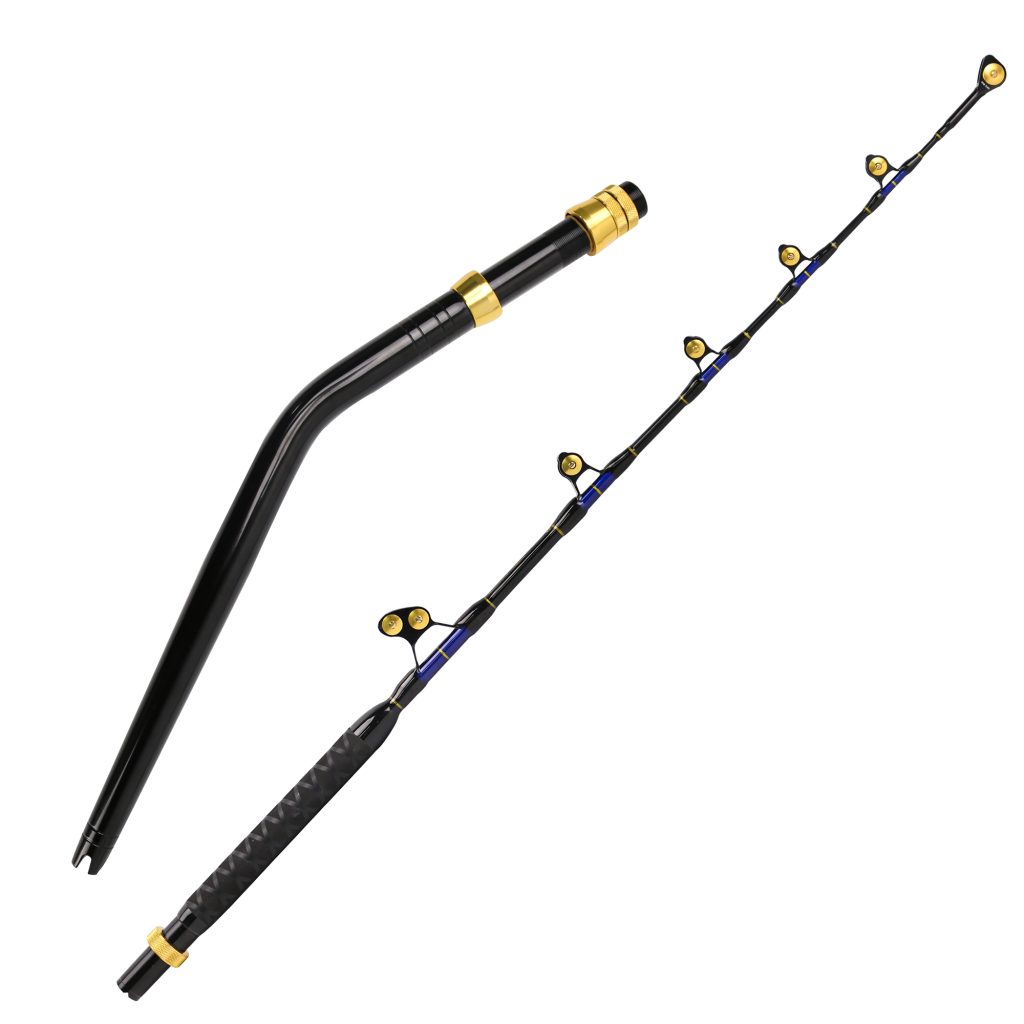
Introduction: How Much Drag Can a Heavy-Duty Trolling Rod Handle? A heavy-duty trolling rod can handle substantial drag pressure, but its safe limit depends on the rod’s design and the entire fishing setup. There is no universal drag limit for every heavy-duty trolling rod. Line class, rod power, blank construction, reel drag settings, rod angle, …

How Much Drag Can a Heavy-Duty Trolling Rod Handle? Read More »

What Trolling Rod Length Is Best for Offshore Fishing?

What trolling rod length is best for offshore fishing? There is no single best length for every offshore angler. In general, a 5’6″ to 7’6″ trolling rod covers many offshore trolling applications. The right length depends on your target species, boat size, trolling method, lure setup, line class, and fighting style. A shorter trolling rod, such as …

What Trolling Rod Length Is Best for Offshore Fishing? Read More »

How to Choose the Right Trolling Rod for Saltwater Fishing

Introduction How do you choose the right trolling rod for saltwater fishing? Start by matching the rod to your target species, fishing environment, line class, rod power, action, length, lure weight, guides, and reel. Each factor affects how the rod performs and how well your complete tackle system handles pressure. Saltwater trolling puts continuous load on …

How to Choose the Right Trolling Rod for Saltwater Fishing Read More »

Are Aluminum Jigging Reels Worth It? Benefits, Features, and Buying Tips

Introduction Are aluminum jigging reels worth it? For many offshore anglers, the answer is yes. An aluminum jigging reel can offer the rigidity, strength, and durability needed for demanding saltwater fishing. Its solid construction also helps the reel handle heavy loads with less frame flex, making it a strong option for anglers targeting powerful fish with heavy …

Are Aluminum Jigging Reels Worth It? Benefits, Features, and Buying Tips Read More »

How to Choose the Right Jigging Reel for Tuna and Other Big Game Fish

Introduction Tuna and other big game fish demand more from fishing tackle than smaller offshore species. Their powerful runs can quickly strip line from a reel, while heavy jigs, deep water, and strong currents add even more load during a fight. Anglers also need enough drag pressure to control powerful fish without sacrificing smoothness or …

How to Choose the Right Jigging Reel for Tuna and Other Big Game Fish Read More »

How Gear Ratio and Drag Power Affect Jigging Reel Performance

How Gear Ratio and Drag Power Affect Jigging Reel Performance When choosing a jigging reel, two specifications deserve close attention: gear ratio and drag power. These features directly affect how the reel retrieves line, controls the jig, and handles powerful fish. A well-matched combination can make jigging more efficient and help you maintain control throughout …

How Gear Ratio and Drag Power Affect Jigging Reel Performance Read More »

Jigging Reel Buying Guide: Key Features Every Angler Should Know

Introduction: How to Choose the Right Jigging Reel Choosing the right reel can make a major difference when you are jigging. A jigging reel is designed to handle repeated vertical retrieves, heavy jigs, and powerful fish. Unlike a general-purpose fishing reel, a dedicated jigging fishing reel needs enough strength, drag power, and line capacity to perform reliably …

Jigging Reel Buying Guide: Key Features Every Angler Should Know Read More »

Contact Us