
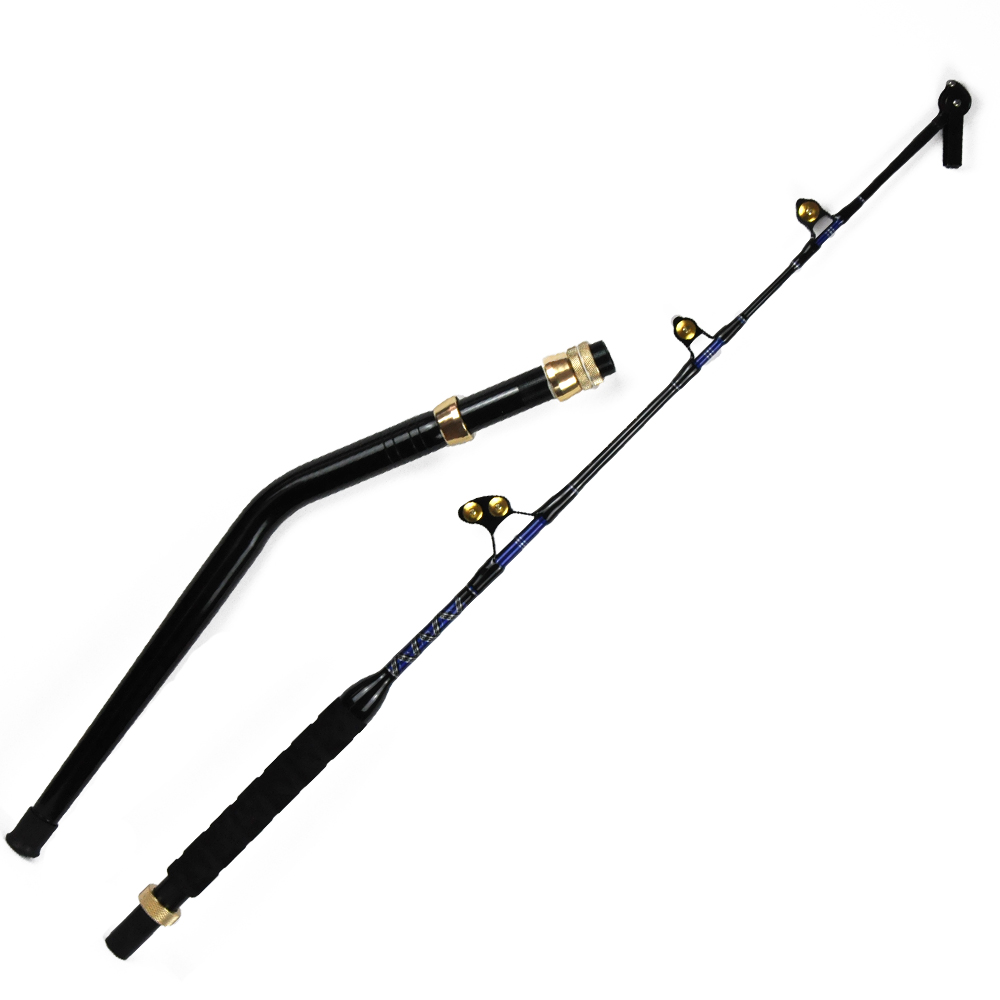
H2: What Is Trolling, and What Features Does a Good Trolling Rod Need?
Trolling means you drag baits or lures slowly behind a moving boat. It works for inshore and offshore fishing. Unlike casting or jigging, your rod holds steady under constant pull for hours. That unique workload sets trolling rods apart from other fishing rods. The best trolling rod checks specific boxes before you even pick carbon fiber or fiberglass.
H3: Core requirements for trolling rods
- Backbone / lifting power: You need solid backbone to hoist heavy fish up from deep water. Weak rods bend too far and lose control when a big fish fights below the surface.
- Shock absorption: Your boat rocks nonstop on waves. Fish also make sudden, hard runs. The rod must soak up these shocks so your line does not snap.
- Durability against repeated stress: Trolling puts steady, ongoing tension on the blank, guides, and reel seat. A good rod handles this repeated load without failing early.
- Weight for all-day boat use: Many anglers troll for hours. Heavy rods wear out your arms fast. Light, balanced builds cut fatigue on long trips.
- Sensitivity to detect subtle bait strikes: Some bites are soft and faint. The rod needs to send that small vibration from the lure straight to your hand.
- Compatibility with downriggers, outriggers, planer boards: Most serious trolling setups use these accessories. The rod should mount cleanly and work well with the extra pull these tools create.
H2: Quick Overview: Carbon Fiber Fishing Rods for Trolling
Carbon fiber trolling rods grow popular with anglers who value feel and quick response. But carbon fiber behaves very differently under trolling’s steady pull, so it is not the right fit for every boat setup.
H3: How carbon fiber rod construction works
Makers layer thin carbon fiber sheets over a mandrel. They add resin and bake the blank hard. More carbon fiber usually makes the blank stiffer and lighter. Manufacturers often mix small amounts of other materials to tweak flex and strength.
H3: Pros of carbon fiber trolling rods
- Lightweight for long days on the water: Carbon fiber cuts down overall rod weight. Your arms stay fresh through hours of steady trolling.
- Higher sensitivity to light bites: Small taps and faint strikes travel easily through the stiff blank. You feel subtle bites you might miss on heavier rods.
- Fast action, responsive: The rod recovers quickly after bending. It lets you set the hook fast when a bite comes.
H3: Cons of carbon fiber trolling rods
- Brittle, prone to snapping under heavy shock or rough handling: Carbon fiber does not give much under sudden, sharp force. A hard jolt can crack or snap the blank.
- Less flex / shock absorption for violent big-game runs: It lacks soft, forgiving bend. Big, rushing fish can snap your line faster.
- Usually higher price point: Raw carbon fiber material and precise manufacturing push costs up.
- Risk of damage from boat bumps, tackle impacts: Knocks against gunwales, coolers or other tackle can create hidden cracks. Those cracks often fail later mid-fight.
H3: Best trolling scenarios for carbon fiber rods
Pick a carbon fiber trolling rod for inshore trips. It shines when you target smaller species and run light to medium tackle. Choose it if bite detection matters more than raw shock resistance.
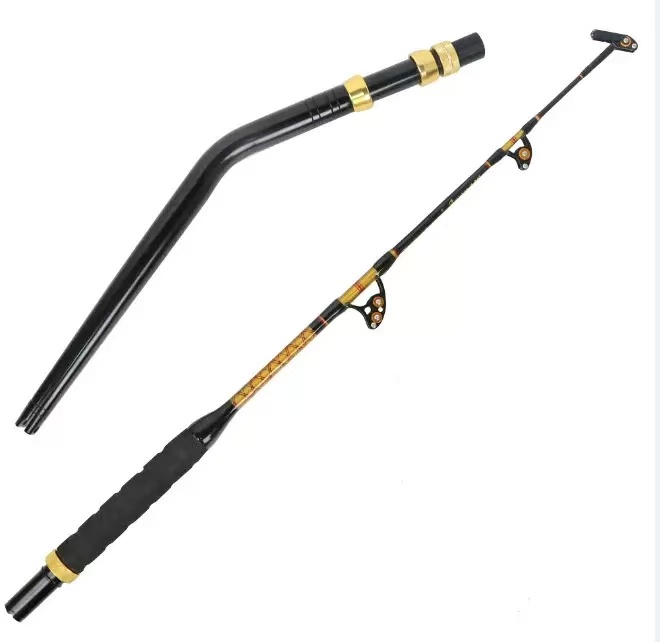
H2: Quick Overview: Fiberglass Fishing Rods for Trolling
Fiberglass trolling rods have been a go-to for trolling anglers for decades. Their natural bend matches the steady pull and sudden bursts common when dragging baits behind a boat.
H3: How fiberglass rod construction works
Builders weave fiberglass strands and coat them with resin. They wrap this material around a mold to form the rod blank. Fiberglass bends easier than carbon fiber by design. Makers adjust the thickness and layup to tune power and flex.
H3: Pros of fiberglass trolling rods
- Superior flex and shock absorption (huge advantage for trolling): The blank stretches smoothly under load. It soaks up wave movement and fish runs to protect your line and hooks.
- Forgiving, hard to snap under sudden loads: Fiberglass gives instead of breaking. It handles surprise heavy hits that would crack many carbon rods.
- Affordable: Raw fiberglass and production cost stay low. You get a reliable trolling rod without a big budget.
- Consistent slow/moderate action ideal for trolling lures: This gentle bend keeps lures running at a natural pace. It avoids pulling baits out of their swim pattern.
- Handles constant pull from downriggers well: It holds steady under long, steady tension. It works reliably with downrigger, outrigger and planer board setups.
H3: Cons of fiberglass trolling rods
- Heavier during all-day trolling: Fiberglass weighs more than carbon fiber. Long hours holding or watching the rod tire your arms faster.
- Lower sensitivity; harder to feel soft bites: Thick, flexible fiberglass blanks dampen small vibrations. Faint nibbles often never reach your hand.
- Slower recovery: The rod takes more time to straighten after bending. It responds slower when you need a quick hook set.
H3: Best trolling scenarios for fiberglass rods
Choose a fiberglass trolling rod for offshore big-game trips and deep trolling runs. It pairs perfectly with heavy tackle. It works great for new trollers or days when waves kick up and conditions turn rough.
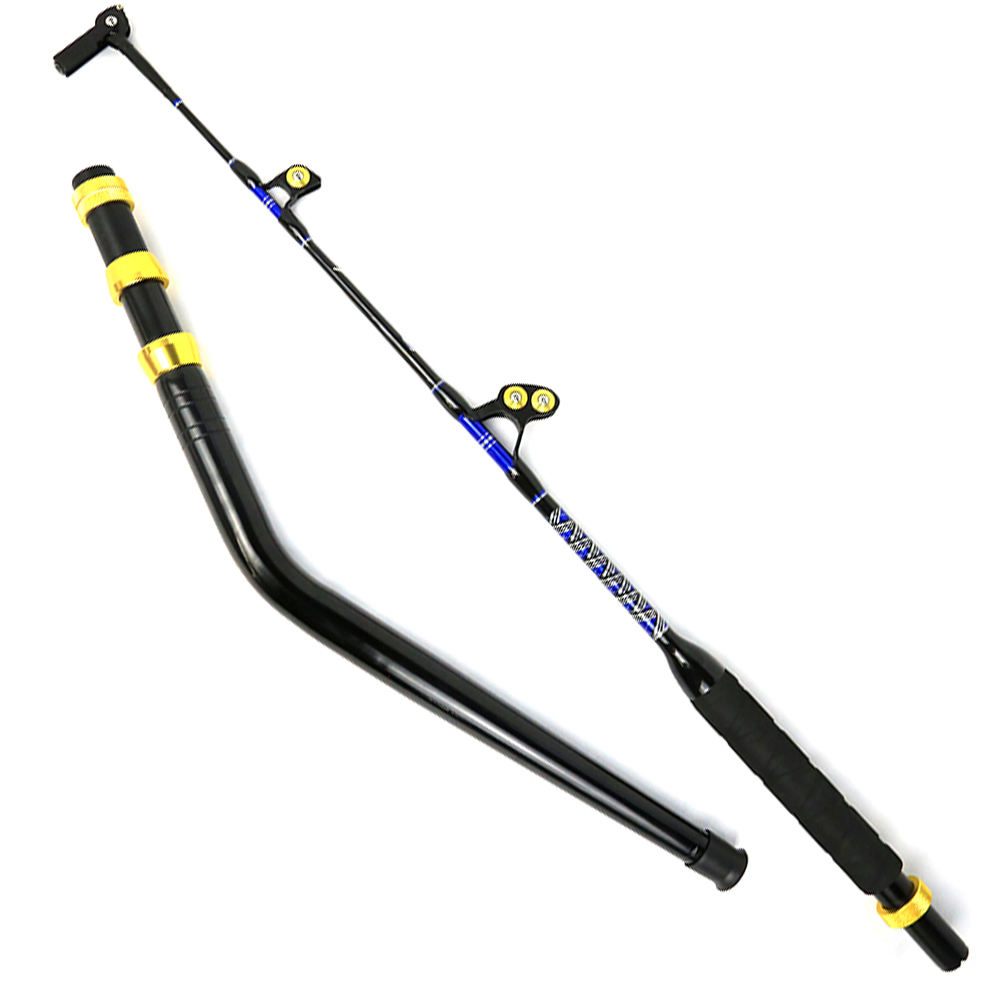
H2: Side-by-Side Comparison Table: Carbon Fiber vs Fiberglass Trolling Rods
This quick table breaks down key differences between carbon fiber and fiberglass trolling rods. Use it to scan and match a rod to your fishing style.
表格
| Metric | Carbon Fiber Trolling Rod | Fiberglass Trolling Rod |
| Weight | Light. Easier on your arms for long trips. | Heavier. Causes more fatigue after hours of trolling. |
| Sensitivity | High. You catch faint, soft bites easily. | Low. Small nibbles are hard to notice. |
| Flex & Shock Absorption | Stiff with limited give. Poor at soaking up violent runs. | Great smooth flex. Absorbs wave shock and sudden fish bursts. |
| Break Resistance | Brittle. Sharp shocks or hard knocks can snap it. | Very forgiving. Handles sudden heavy loads without breaking. |
| Action | Fast action. Snappy recovery for quick hook sets. | Slow to moderate action. Keeps lures swimming naturally. |
| Price | Higher. Materials and manufacturing cost more. | Budget-friendly. Solid performance at a lower price. |
| Ideal Species | Smaller inshore fish like trout, small salmon, walleye. | Big offshore game fish such as mahi, kingfish, tuna, wahoo. |
| Downrigger Suitability | Works for light downrigger setups. Risk of shock damage with heavy loads. | Excellent choice. Handles steady downrigger pull reliably. |
The table shows no clear winner overall. Carbon fiber wins for light feel and bite detection. Fiberglass wins for shock control and tough, steady performance. Your fishing location, target fish and tackle weight decide which fits you better.
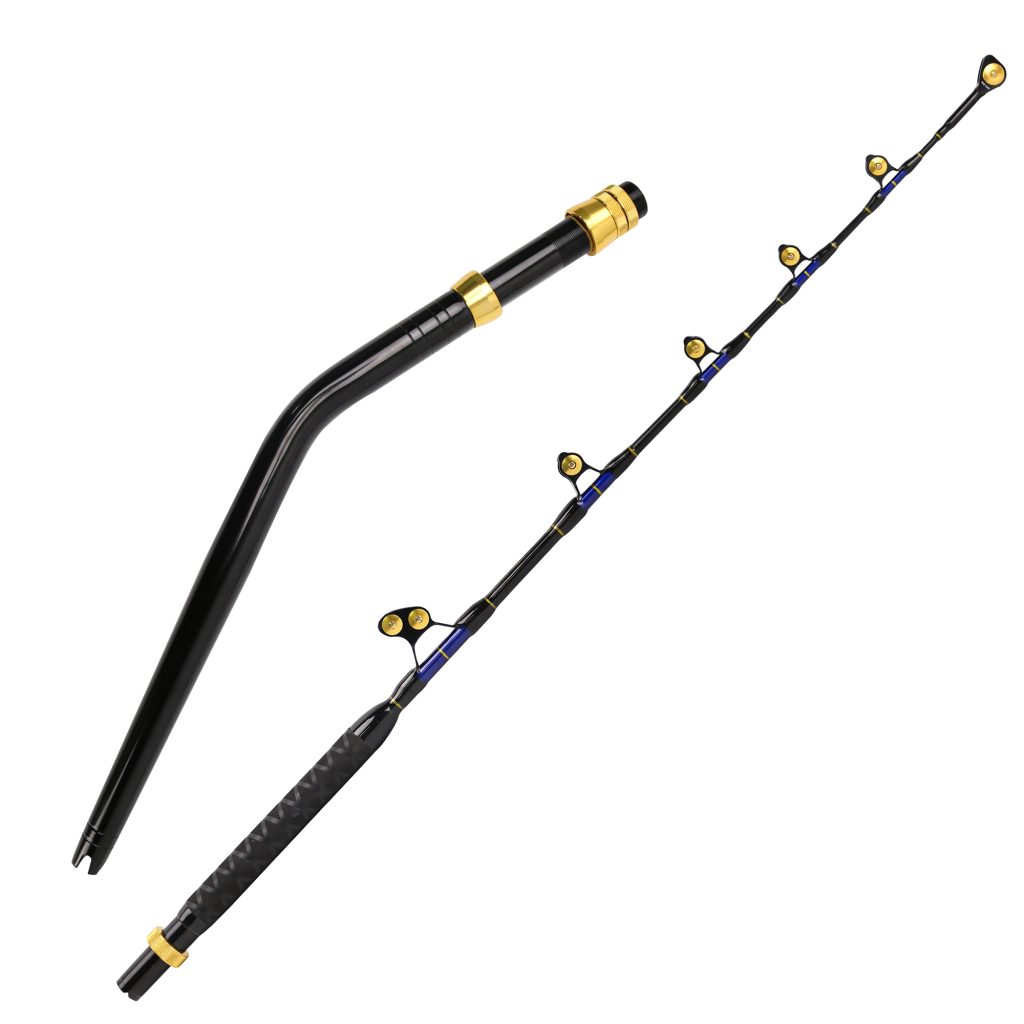
H2: Common Trolling Scenarios: Which Rod Material Should You Pick?
Your fishing environment and setup make the biggest difference. One material will work far better than the other depending on what you chase and how you troll.
H3: Inshore light trolling (trout, salmon, small walleye)
Go with carbon fiber for inshore light trolling. These species often deliver soft, subtle bites. Carbon fiber’s sharp sensitivity helps you feel light taps you would miss on fiberglass. Trips usually stay shorter, so the rod’s brittleness is less risky. Pair it with light line and small lures for clean hook sets.
H3: Offshore big-game trolling (mahi, tuna, wahoo, kingfish)
Pick fiberglass for offshore big-game trolling. Big fish make explosive, unpredictable runs. Waves also create constant jarring tension. Fiberglass’s forgiving flex absorbs these shocks and protects your line. It handles heavy tackle and long fights without snapping. You care more about reliability than ultra-light weight out here.
H3: Downrigger trolling vs planer board trolling
Fiberglass works best for most downrigger trolling. Downriggers lock your bait at a fixed depth and create steady, ongoing pull. Fiberglass holds up well under that constant load. Sudden releases or fish strikes won’t shock-break the blank.
Carbon fiber can work for planer board trolling with light tackle. Planer boards spread lines wide and put lighter sustained pressure on rods. If you target small fish and watch closely for soft bites, carbon fiber’s sensitivity gives you an edge. Just avoid hard impacts or heavy strikes.
H3: Beginner trolling anglers vs experienced captains
New trollers should start with fiberglass. Beginners bump rods against the boat, misjudge fish runs, and rush hook sets. Fiberglass forgives these mistakes. It costs less too, so you lose less money if you damage gear while learning.
Experienced captains can choose carbon fiber when it fits their target. Seasoned anglers handle gear carefully and know how to read bite signals. They can leverage carbon fiber’s lightweight feel and sensitivity for finicky fish. They also understand its limits and avoid risky heavy-shock setups.
H2: Myths About Carbon Fiber and Fiberglass Trolling Rods
Lots of anglers repeat these common claims about trolling rod materials. Many of them miss how trolling actually works on the water. Let’s break them down.
Myth 1: Carbon fiber is always better and stronger Carbon fiber is not universally stronger. It is stiffer and lighter, but it breaks easier under sudden heavy shock. Strength depends on the job. Carbon fiber shines for light bites. Fiberglass outperforms it when big fish make violent runs or gear takes hard knocks. “Better” only makes sense when you match the rod to your trolling style.
Myth 2: Fiberglass rods are outdated and low-performance Fiberglass is not old junk. It still dominates many serious trolling boats for a reason. Its slow, forgiving flex fits trolling’s steady pull perfectly. It absorbs shocks and protects your line during long battles. Many pro trolling captains keep fiberglass rods on board even with newer carbon options. It delivers reliable performance where it counts.
Myth 3: All trolling rods need maximum sensitivity Sensitivity helps for soft bites, but it is not always your top priority. If you chase large offshore gamefish, you watch rod tip thumps instead of tiny nibbles. Shock absorption and lifting power matter far more here. Chasing maximum sensitivity can even hurt you. Overly sensitive, stiff carbon rods snap easier under the constant stress of trolling.
H2: Bonus Buying Tips for Trolling Rods Beyond Material
Rod material is important, but other features decide how well your rod performs on the water. Use these tips to narrow your final pick.
H3: Rod power & action ratings for trolling
Do not only shop by material. Match power and action to your target fish. Light and medium power works for small inshore species. Heavy or extra-heavy power handles big offshore game fish. Slow and moderate action fits most trolling setups. It keeps lures swimming naturally and cushions fish runs. Fast action only makes sense if you chase light-biting fish and need quick hook sets.
H3: Rod length for trolling
Shorter rods (6–7 feet) work well in small boats or tight spaces. They give strong lifting power for downriggers. Longer rods (8–10+ feet) spread lines wider. They create more separation when you run multiple rods with planer boards. Longer rods also deliver better shock leverage during fights.
H3: Reel seat, guides, roller guides for big game
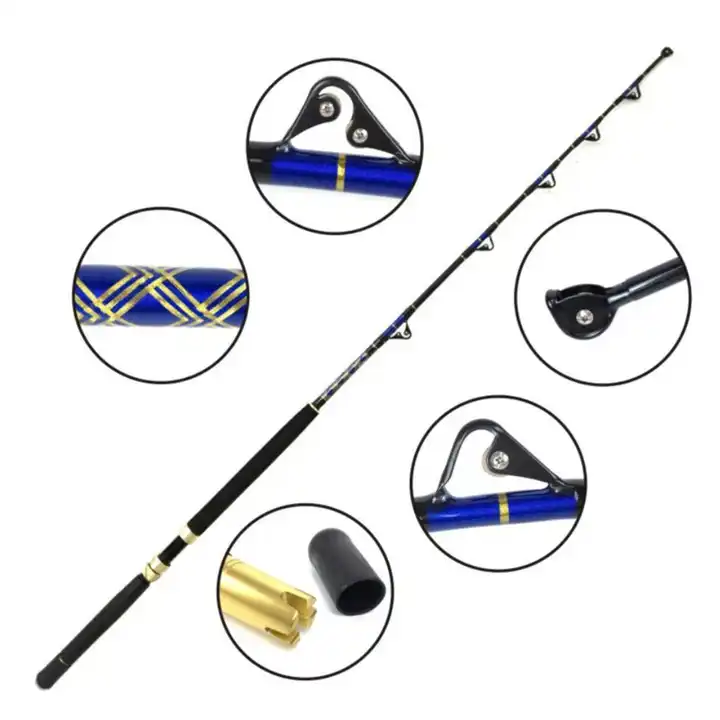
Pick a solid reel seat that locks your reel tight. Wobbly seats slip under steady trolling pull. Standard ceramic guides suit light and medium trolling. They cut friction and protect your line. Go for roller guides if you target large, hard-running fish like tuna or wahoo. Roller guides reduce line heat and wear during long, powerful runs. They cost more but save your line on big fights.
H3: Maintenance tips for carbon fiber and fiberglass rods
Rinse your whole rod with fresh water after saltwater trips. Salt eats away guides and reel seats fast. Check carbon fiber rods often for tiny cracks. Even small knocks can create hidden damage. Stop using it if you spot a crack. Fiberglass rods resist impact better, but scratches still matter. Deep scratches let water seep into the blank and weaken it over time. Store rods on racks. Never leave them leaning loose or stacked under heavy gear.
H2: Frequently Asked Questions (FAQ Section – Critical SEO Block)
Q1: Are fiberglass rods good for trolling?
Yes, fiberglass rods are excellent for trolling. Their soft, forgiving flex absorbs shock from waves and charging fish. They hold steady under the constant pull of downriggers. Most offshore and big-game trollers rely on fiberglass for reliable performance.
Q2: Do carbon fiber rods break easily when trolling?
Carbon fiber rods break more easily from sudden sharp shocks. They handle steady tension fine, but hard knocks or violent fish runs can crack the blank. They stay safe if you use light tackle and avoid rough handling.
Q3: Is a carbon or fiberglass rod better for salmon trolling?
It depends on your setup. Pick carbon fiber if you target light-biting salmon inshore and want to feel faint taps. Choose fiberglass for deep salmon trolling with downriggers. Fiberglass soaks up sudden runs and handles steady pressure better.
Q4: Can you use a carbon fiber rod with a downrigger?
You can, but it works best only for light downrigger setups. Heavy pulls or sudden releases send sharp shock through the blank. That shock raises the risk of cracking or snapping the carbon rod. Fiberglass is the safer default for downrigger work.
Q5: Are composite trolling rods better than pure carbon or fiberglass?
Composite rods mix carbon fiber and fiberglass. They land in the middle ground. They weigh less than full fiberglass and offer more flex than pure carbon. They are a solid pick if you want balanced performance, but they do not outmatch pure carbon for sensitivity or pure fiberglass for heavy shock resistance.
-

-

-
Sale!
 Out of stock
-
Sale!
