
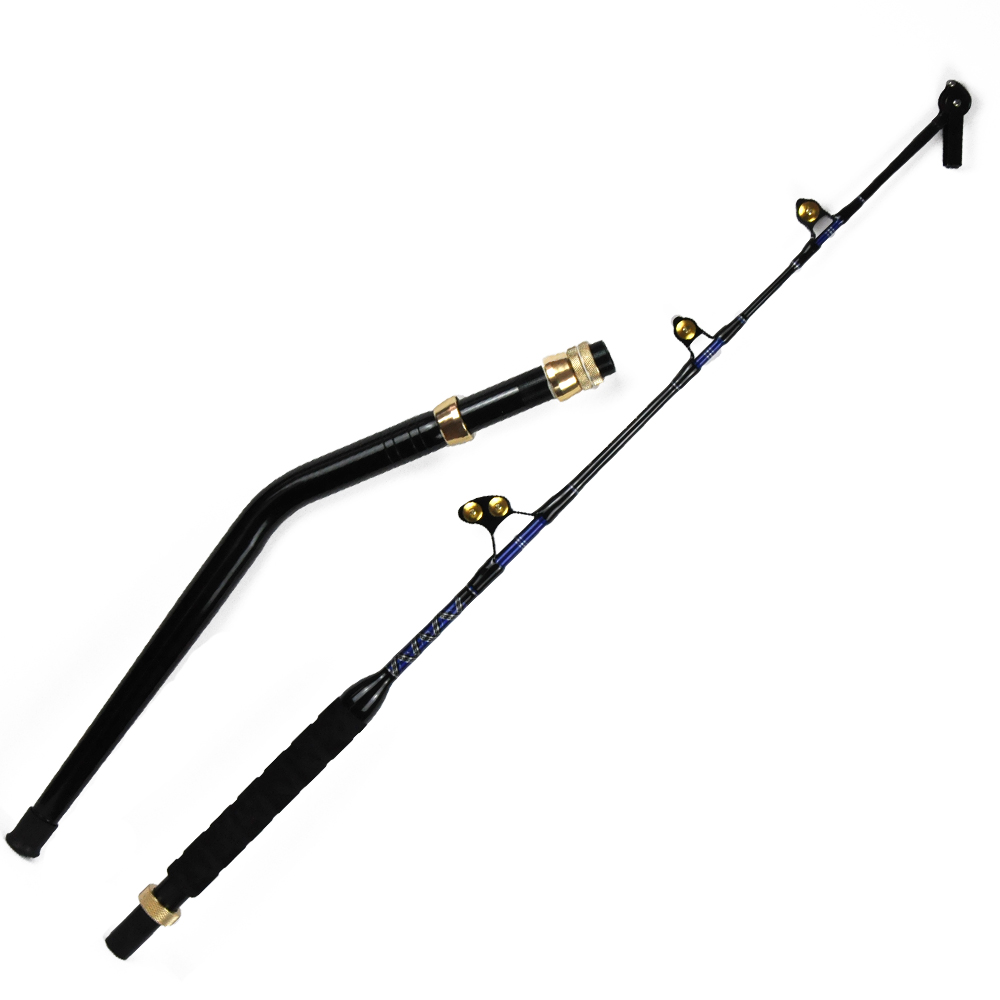
Yellowfin tuna unleash blistering runs and bone crushing deep dives. Cheap, low quality trolling rods will buckle or snap under this raw offshore power mid fight. If you chase these hard fighting offshore fish, you need the best trolling rod for yellowfin tuna built to handle non stop pressure and sudden explosive surges.
This buying guide breaks down all critical features you need for a yellowfin tuna trolling rod. We go over rod blank specs, line ratings, and key hardware. We also compare stand up and fighting chair rod designs, walk through frequent buying mistakes, share a practical checklist, and answer common fishing questions to help you pick gear that holds up when a big yellowfin smashes your lure.
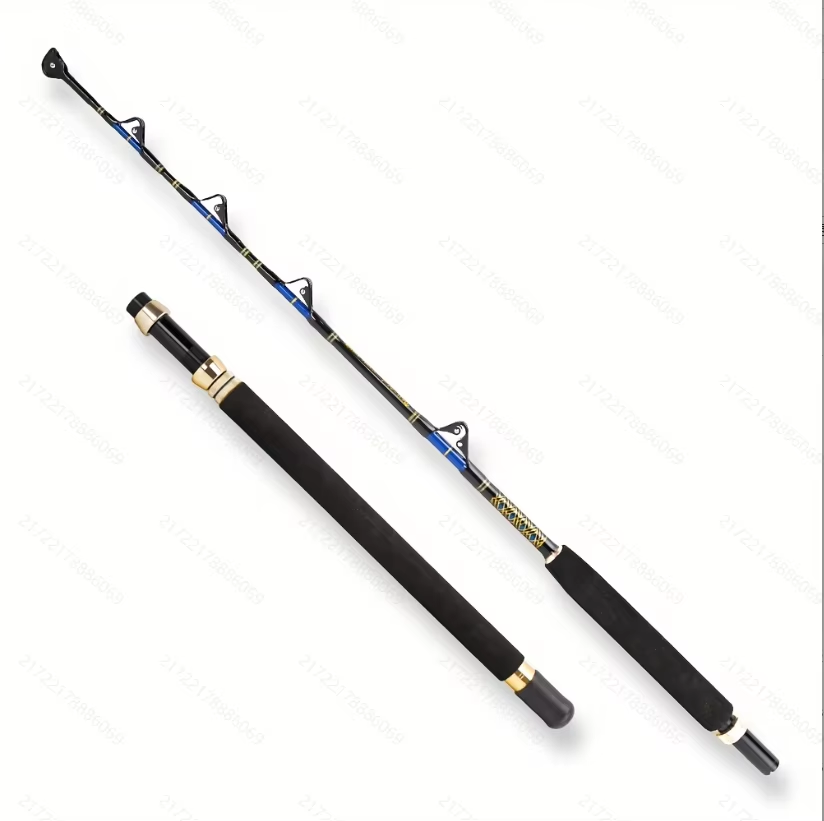
H2: How Yellowfin Tuna Trolling Rods Differ From General Purpose Saltwater Rods
H3: Unique fighting characteristics of yellowfin tuna
Yellowfin tuna fight with relentless, brute force. They burst across the surface and hammer down into deep water the second they feel hook pressure. These fish weigh anywhere from school size specimens up to heavy trophy class tuna. They use their streamlined bodies to pull hard against your whole fishing setup. Regular saltwater rods do not have the backbone to resist this constant, unrelenting pull.
H3: Dual stress: constant trolling load + sudden deep diving runs
Trolling creates ongoing strain before you even hook a fish. Your rod holds steady tension from lures dragging behind your boat for hours on end. When a yellowfin strikes, it instantly makes a violent deep dive. Your rod has to manage that steady background load and absorb jarring shock all at once. Generic saltwater rods are built for short casts or quick fights. They cannot withstand this two part stress cycle.
H3: Why inshore or light offshore rods cannot handle yellowfin tuna
Inshore and light offshore rods work great for smaller near shore species. They feature thinner blanks, lighter guides and lower line weight limits. They cannot handle the high drag settings yellowfin demand. Even if you manage to hook a tuna on one of these rods, you risk bent hardware, cracked blanks, or snapped line. Save these lighter rods for coastal fishing. Never rely on them when targeting yellowfin tuna offshore.
H2: Core Must Have Features of the Best Trolling Rod for Yellowfin Tuna
H3: Rod Blank Material & Construction
Blank material directly changes how your rod performs against yellowfin tuna. Solid fiberglass blanks deliver outstanding shock absorption and raw strength. They soak up hard dives without failing. Carbon fiber composite blanks cut down overall rod weight. They feel lighter during long fishing days, but they are more prone to cracking under extreme sudden loads.
You need the right balance between backbone and tip. A strong lower blank supplies deep bending power to stop diving tuna. A softer, sensitive tip keeps your trolling lures swimming naturally. Too stiff tips kill lure action and transfer every sharp shock straight to your line.
Most yellowfin trolling rods fall between 5’0” and 6’8”. Shorter blanks give you tight leverage and work well for stand up fighting. Longer blanks maintain better lure spread behind the boat. However, longer rods feel clumsy and harder to control when a big tuna bolts for deep water.
H3: Line Weight & Drag Rating (Most Important Specification)
Yellowfin trolling uses these popular line classes: 20lb, 30lb, 50lb, and 80lb. Pick your class based on whether you chase school size fish or heavy trophy yellowfin.
Always match your rod rating to your reel’s maximum drag output. A 30lb class rod pairs with a reel tuned for 30lb drag. Mismatched ratings create critical weak points in your setup.
An under rated rod brings real danger during long tuna dives. Yellowfin can hold steady pressure for minutes on end. The blank fatigues under loads it was never built for. It may crack or snap right in the middle of a fight.
H3: Guides: Roller Guides vs Ceramic Guides for Tuna Trolling
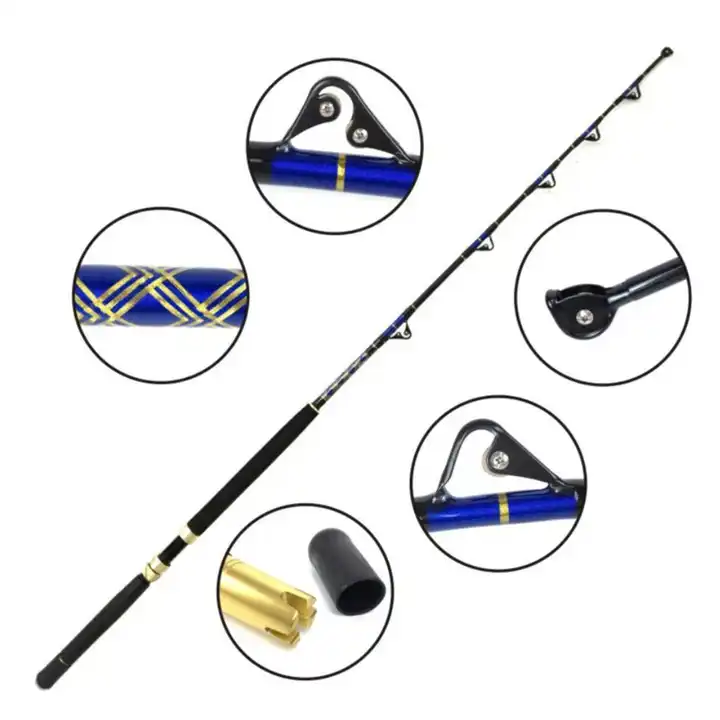
Ceramic guides handle light trolling fine, but they struggle with big yellowfin. Hard pulling tuna generate massive line friction. Ceramic inserts wear quickly and cause line burn. Roller guides spin freely to reduce friction. They protect mono and braided line through long, grinding runs.
Stainless steel and aluminum frames hold up best in saltwater. Cheap thin frames bend easily under heavy load and corrode rapidly.
Pay attention to guide size and spacing. Choose large enough openings to pass thick leaders. Even spacing spreads stress evenly across the blank. It stops excessive wear from concentrating on just one guide.
H3: Reel Seat and Gimbal Build
Avoid flimsy metal or plastic reel seats. Go for heavy duty locking aluminum reel seats. A solid lock keeps your reel fixed firmly. It will not twist or shift when a tuna surges.
You have two main gimbal styles. Fighting belt gimbals work for anglers who stand and fight fish. Fighting chair gimbals lock into the mount of an offshore fighting chair.
Saltwater corrosion resistance is non negotiable. Salt spray eats unprotected metal. Look for coated hardware to fight rust, even though you should rinse all gear after every trip.
H3: Rod Action & Power Curve for Yellowfin Tuna Trolling
Big game rod action tells you where the rod bends. Fast action rods bend mostly near the tip. Slow action rods bend deep down toward the rod butt.
Target a forgiving tip paired with a powerful lower backbone. The flexible tip preserves natural lure movement. The sturdy lower section generates force to turn a diving yellowfin.
Stay away from overly stiff “broomstick” rods for yellowfin. These rigid models do not absorb shocks. Every sharp dive transfers stress directly onto your leader and line. You face far higher risk of popped lines and lost fish.
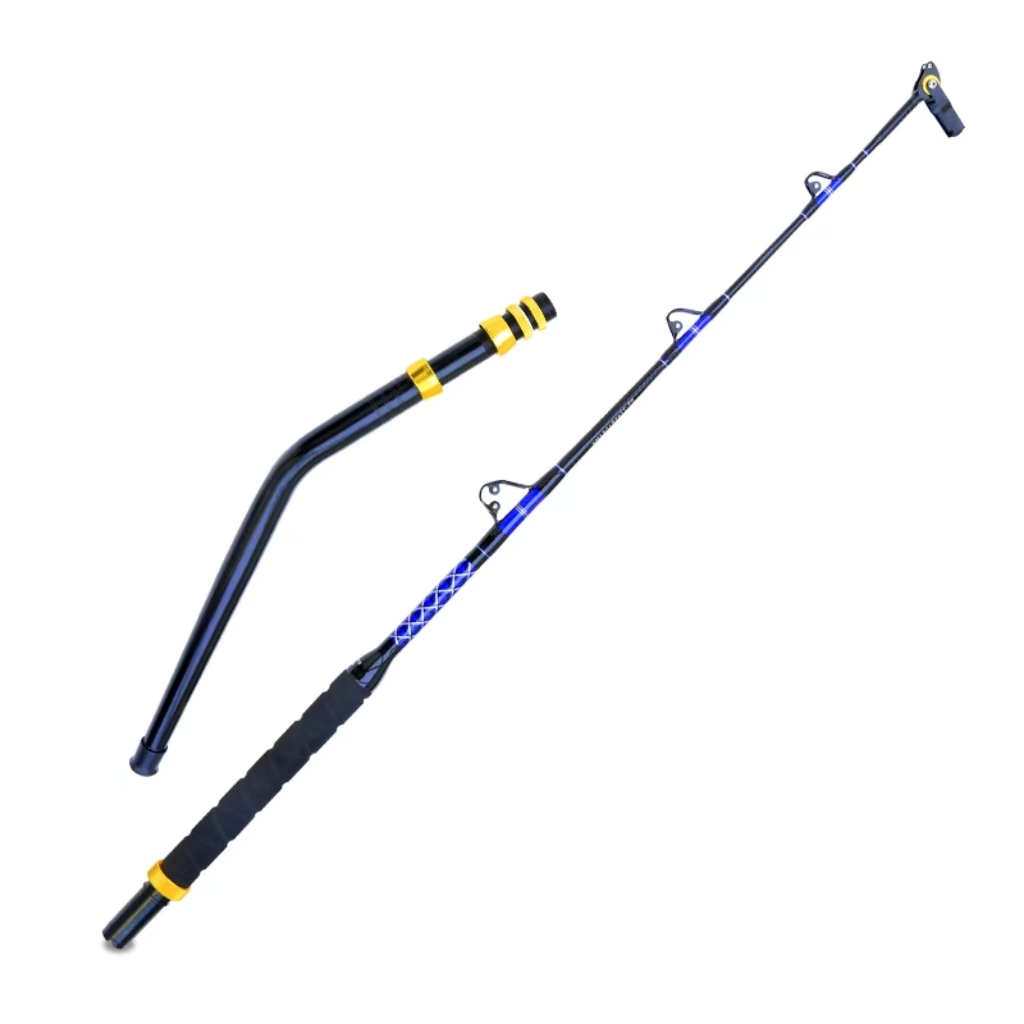
H2: Stand Up Trolling Rod vs Fighting Chair Rod for Yellowfin Tuna
H3: Stand up yellowfin trolling rods: use cases, pros and downsides
Stand up yellowfin trolling rods are made for anglers fighting fish on their feet with a fighting belt. They shine for chasing school sized to medium yellowfin. You move freely around the boat and react fast when tuna change direction.
These rods are shorter and lighter. You get quick, snappy control through sudden runs and dives. You do not need extra bulky chair hardware to get into the fight.
This style has clear drawbacks. Your legs and core absorb nearly all the tuna’s pulling force. Long battles drain your energy quickly. Stand up rods also cannot produce the same raw leverage you get from a fighting chair setup. They become tough to handle against extra large trophy yellowfin.
H3: Fighting chair yellowfin trolling rods: leverage and power profile
Fighting chair rods pair with a mounted offshore fighting chair. The chair takes most of the heavy pull off your body. You focus on reeling and steering the tuna instead of bracing against its strength.
These rods run longer and carry higher power ratings. Their power profile delivers consistent leverage during deep, prolonged dives. They excel when you target big trophy yellowfin that can fight for hours.
You give up deck mobility for that power. Once locked into the chair, you cannot shift positions easily. This setup works best on larger sportfishing boats with permanent chair installations.
H2: Bonus Durability & Comfort Features
Saltwater wrecks unprotected metal parts in short order. Look for rods with salt resistant surface coating on every metal component. This coating defends reel seats, guide frames and gimbals against salt spray and rust. Always rinse your gear after trips, but factory applied protection adds a critical first line of defense.
A quality non slip foregrip and rear grip make a huge difference out on the water. Your hands stay wet and you usually wear fishing gloves offshore. Solid grip material stops slips during sudden, hard tuna runs. Skip thin, smooth grips — they can let you lose hold when you need it most.
Butt padding eases pressure where the gimbal presses against your fighting belt or chair cup. Yellowfin pull hard and create sharp, repeated jolts. This small feature cuts discomfort and lowers fatigue through multiple long fights.
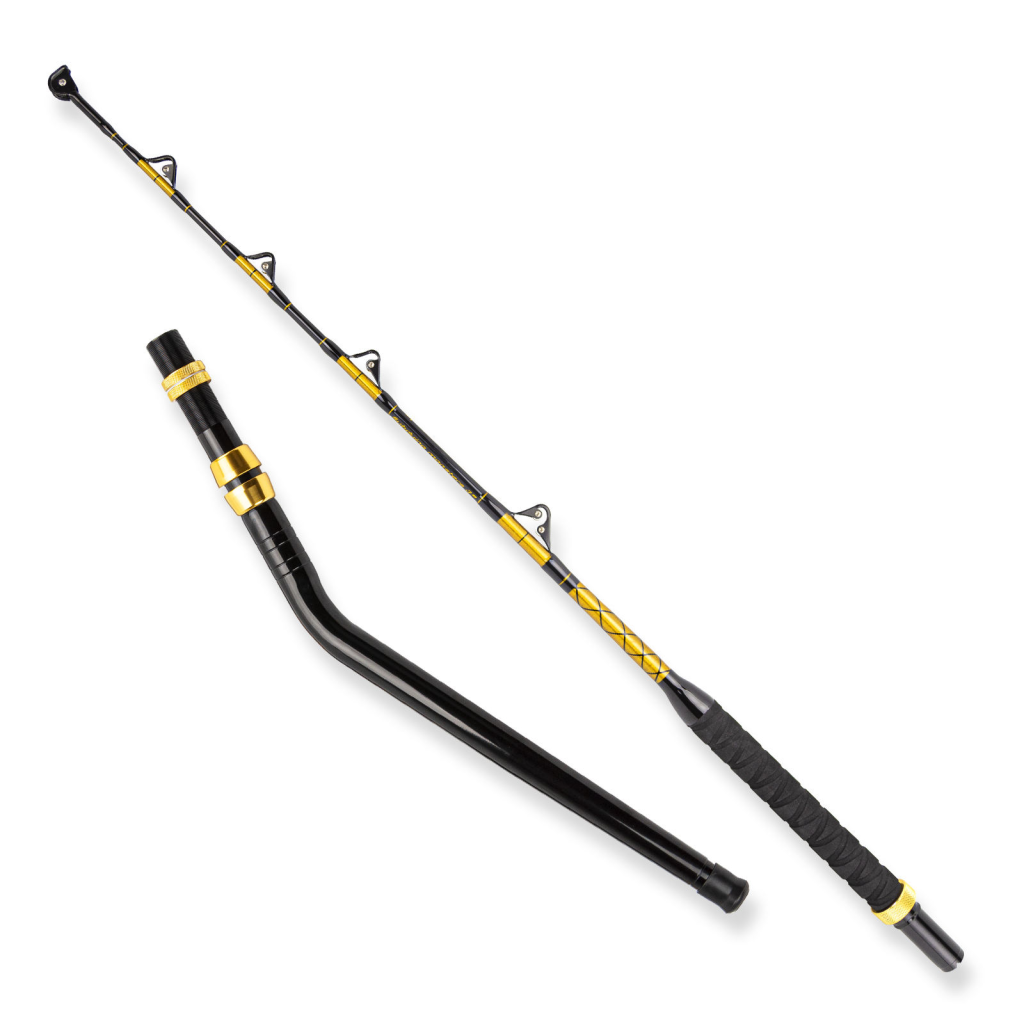
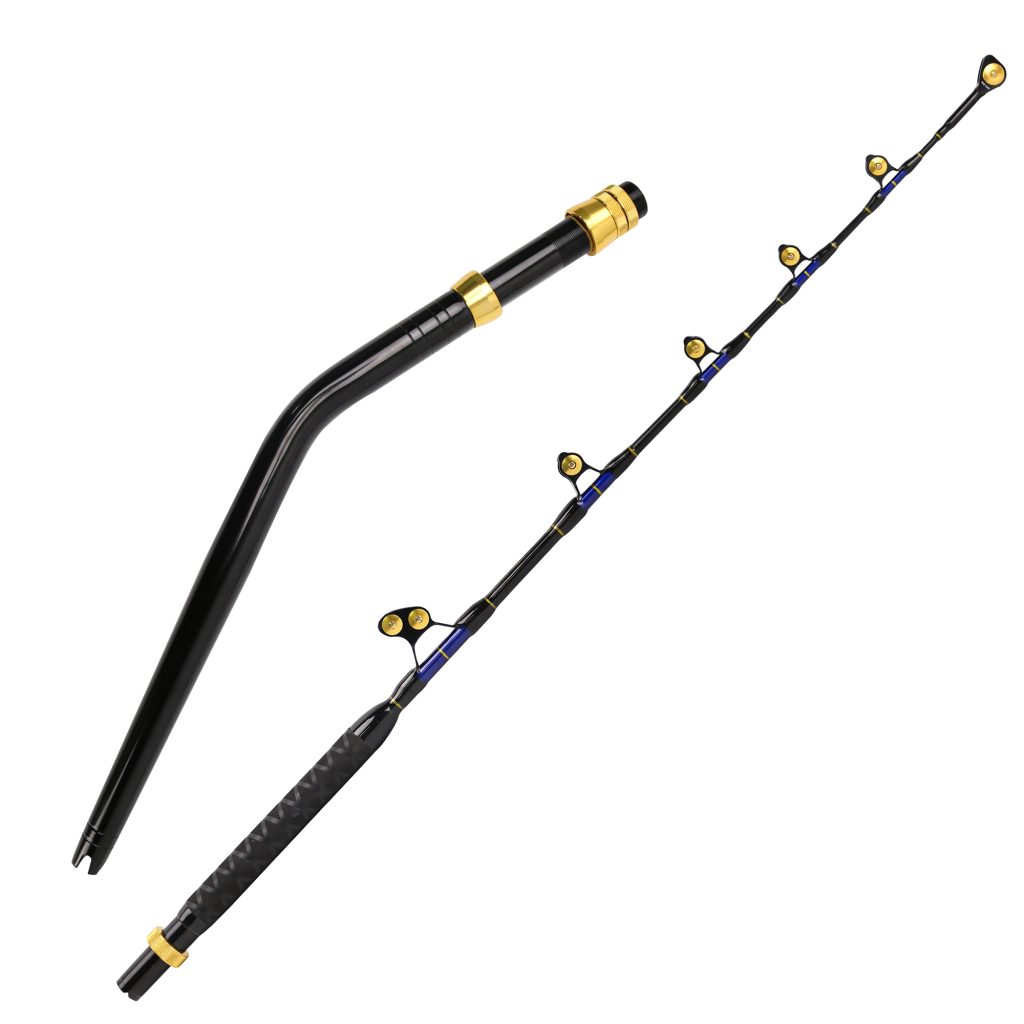
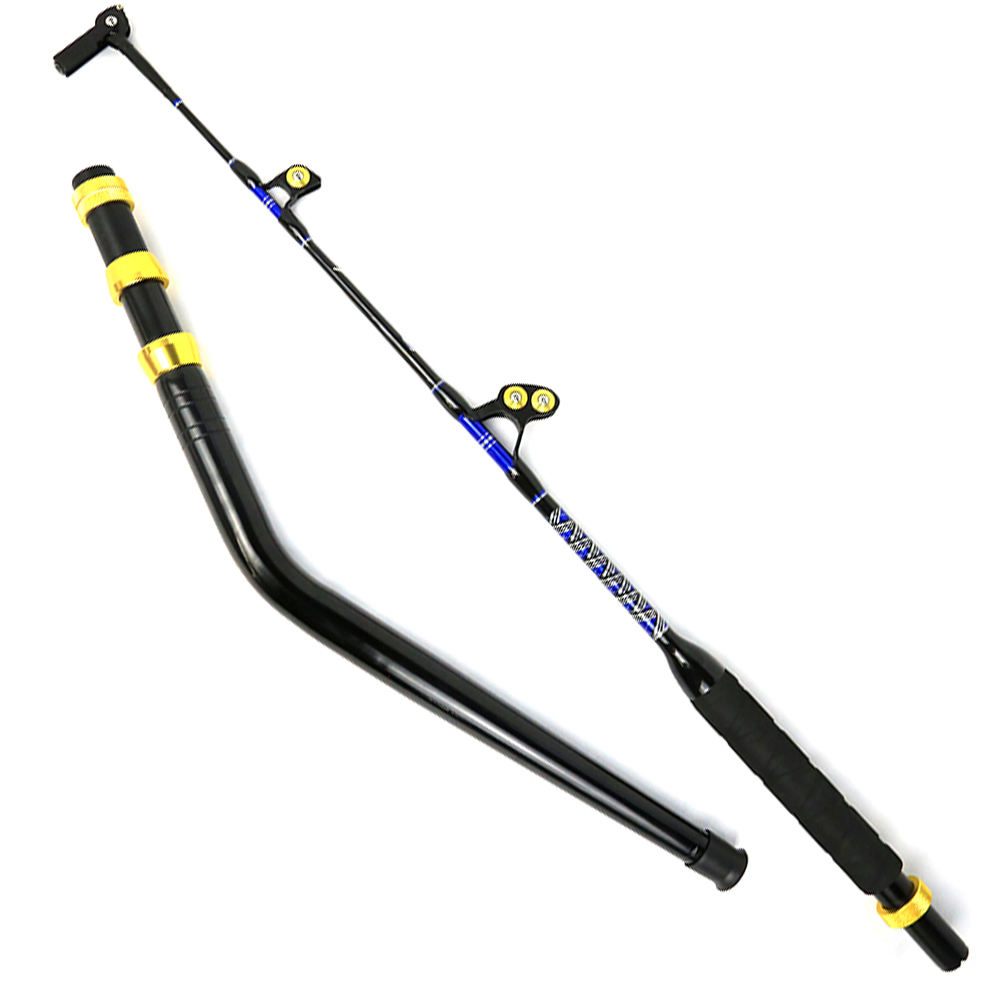
One piece and two piece trolling rods each trade strength for portability. One piece blanks have no connecting joint. They deliver full, uninterrupted strength and handle heavy drag reliably. Their big downside is storage. Many smaller boats lack space for these long single piece rods.
Two piece models split apart to fit compact rod lockers and travel bags. The ferrule joint makes transport simple. Even so, the connection point acts as a potential weak spot. Only choose two piece rods built with high grade ferrules. Avoid cheap joints that shift or fail under tuna level loads.
H2: Common Mistakes When Buying a Yellowfin Tuna Trolling Rod
Do not trust brand name alone when you shop for a tuna rod. Well known brands do not always match your fishing needs. Always check the printed line class rating on the rod blank. A popular model can still fail if it cannot handle the drag you run for yellowfin.
Many anglers mix up casting or jigging rods with trolling specific rods. Casting and jigging rods are built for throwing lures or vertical dropping. They lack the deep bending backbone for hours of steady trolling tension. They can crack when a big yellowfin makes a hard dive.
Some shoppers try to save money by skipping quality roller guides. Cheap ceramic guides seem like a fine swap at first. But yellowfin’s long grinding runs create massive line friction. You risk line burn, damaged line, or even losing a trophy fish offshore.
Double check gimbal compatibility before purchasing. A mismatched gimbal will not sit securely inside your fighting belt or chair cup. It slips and wobbles mid fight. You lose valuable leverage, and your whole setup becomes unstable.
Avoid picking the wrong rod power for your gear setup. Heavy lures or fast trolling put constant extra load on your rod. An under powered blank strains under that weight. On the flip side, an over heavy rod kills lure action when you troll small baits at slower speeds. Match rod power to your usual lures and trolling speed.
H2: Frequently Asked Questions (FAQ — high SEO snippet potential)
H3: What line class rod works best for yellowfin tuna trolling?
Pick your line class based on the size of yellowfin you target. 20lb and 30lb classes work great for school size yellowfin. 50lb is the most versatile all round option for most offshore trips. Grab an 80lb class rod if you chase large trophy grade yellowfin. Always align the rod rating with your reel’s maximum drag capacity.
H3: Are roller guides required for yellowfin trolling rods?
Roller guides are not strictly mandatory, yet they are strongly recommended. Ceramic guides hold up fine for small fish and short strikes. Long, screaming yellowfin runs generate heavy friction. Ceramic inserts wear fast and cause line burn. Rollers spin freely to cut friction and protect your mono or braided line. Most serious yellowfin anglers stick with roller guides.
H3: Can I repurpose a marlin rod for yellowfin tuna fishing?
You can catch yellowfin on a marlin rod, but it is not an ideal choice. Marlin rods are built for much higher line classes and extreme loads. These heavy blanks feel stiff and clumsy for average sized yellowfin. They dampen lure action while trolling. Save your marlin rod for big billfish. Use a properly sized tuna rod for better feel and performance.
H3: What is the ideal rod length for yellowfin offshore trolling?
Most yellowfin trolling rods land between 5’0” and 6’8”. Choose shorter 5’0” 6’0” rods for stand up fighting. They deliver snappy control during quick runs and dives. Go with 6’2” 6’8” rods for fighting chair setups. They create better leverage and keep lures separated across your trolling spread.
H3: Should I pick one piece or two piece trolling rod for yellowfin?
One piece rods give you full, uninterrupted blank strength with no weak ferrule joint. Choose this if you have enough boat storage space. Two piece rods break down small for easy transport and compact rod lockers. Stick to high quality two piece models. Their ferrules remain a potential failure point, so inspect the joint after every fishing trip.
Conclusion
The best trolling rod for yellowfin tuna comes down to several core buying priorities. Focus on a solid blank backbone, correct line rating, heavy duty roller guides, proper gimbal fit, and whether you need a stand up or fighting chair style. These core features decide whether your rod holds up through brutal yellowfin runs and deep dives.
Ignore flashy cosmetic extras that add zero real world strength. Always prioritize build quality over fancy looks. Shiny decorative parts fail quickly under saltwater and big game pressure.
Complete your fishing setup for reliable offshore results. Pair your new trolling rod with a well matched offshore reel and high quality leader. This full combo delivers steady, consistent performance on your next yellowfin tuna trolling trip.
-

-

-
Sale!
 Out of stock
-
Sale!
