
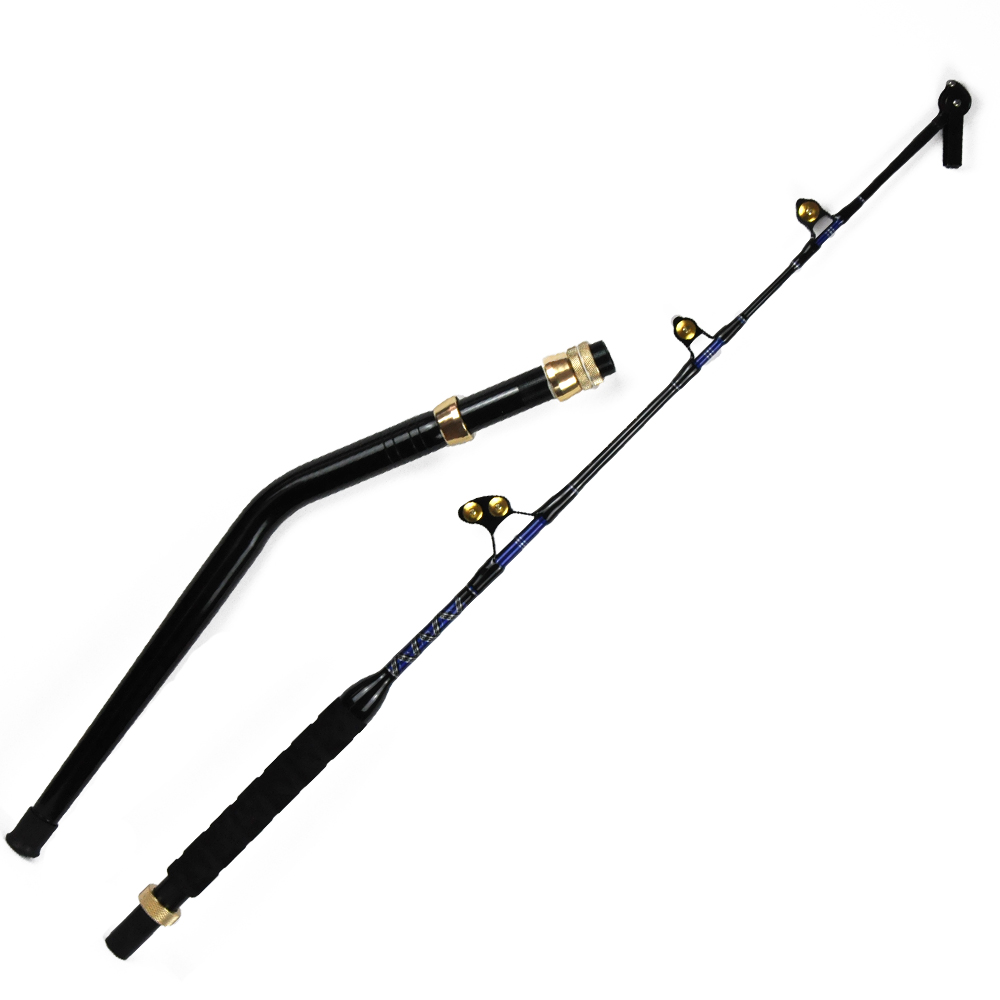
Whether you’re chasing tuna, mahi-mahi, or grouper, your offshore fishing rod is your lifeline to the catch of a lifetime. But for many new offshore anglers, rod mistakes can lead to missed strikes, broken gear, and expensive lessons.
Here are the 7 most common mistakes beginner offshore anglers make with their rods — and how you can avoid them.
1. Choosing the Wrong Rod for the Target Species
Many new offshore anglers grab the wrong rod for the job. A rod that’s too light can snap under pressure, while one that’s too stiff kills sensitivity and makes it harder to feel bites.
Why It Matters:
Each fish species fights differently. Tuna and amberjack hit hard and dive deep. They demand strong rods with enough backbone to absorb the fight. On the other hand, snapper or grouper respond better to medium-power rods that offer more sensitivity and control.
What to Do Instead:
Before you head out, research the fish you’re targeting. Then, choose a rod built to match that species. Look for rods rated for the right line strength, lure weight, and rod power.

2. Ignoring Rod Power and Action Ratings
Many beginners overlook rod specs. But ignoring power and action leads to poor performance and lost fish.
Rod power tells you how much weight the rod can handle. It ranges from light to extra heavy. Rod action describes where the rod bends and how quickly it returns to shape. Fast-action rods bend near the tip. Slow-action rods bend closer to the handle.
Why It Matters:
A rod that’s too soft for the job won’t set the hook well. It also struggles to control strong fish. For example, using a slow-action rod while jigging for fast-striking fish like tuna or king mackerel? You’ll likely miss the strike or pull the hook mid-fight.
What to Do Instead:
Learn how to read rod specs. Match your power and action to your fishing style and target species. If you’re vertical jigging, choose a fast-action, medium-heavy, or heavy rod. For live bait or trolling, moderate action might be the better choice.

3. Using Freshwater Rods Offshore
At first glance, freshwater rods may seem fine for offshore use. But they’re not designed for the harsh conditions or the power of saltwater fish.
Why It’s a Problem:
Saltwater quickly corrodes weak rod components—guides rust. Reel seats seize up. On top of that, a freshwater rod isn’t built to handle the fight from a 30-pound kingfish or a hard-hitting mahi. It could snap under pressure.
What to Do Instead:
Use rods made specifically for saltwater. These rods feature corrosion-resistant guides, stronger blanks, and more durable hardware. They’re built to handle heavier tackle and aggressive fish.

4. Skipping Post-Trip Rod Maintenance
Saltwater is tough on gear. If you don’t clean your rod after every trip, it won’t last long. Rust builds up, guides weaken, and performance drops fast.
Why It Matters:
Even a high-end rod can fail if you ignore basic care. Salt and moisture eat away at metal parts. Corroded guides can fray your line. Over time, your gear becomes unreliable and expensive to replace.
What to Do Instead:
Make rod maintenance a habit after every trip.
Rinse your rod with freshwater to remove salt.
Dry it completely to prevent rust.
Inspect the guides for cracks or rough spots.
Check reel seats and hardware for corrosion.
Apply a light oil to metal parts like guide frames and reel seats.
5. Not Matching Rod and Reel Correctly
Rod and reel combos need to work together. If your reel is too big for your rod, the setup feels awkward, casts poorly, and may even break under pressure.
Why It Matters:
An unbalanced combo reduces sensitivity and wears you out faster during long fights. A light rod can’t support the weight or drag power of a heavy reel. You’ll lose control, accuracy, and efficiency.
How to Match Your Gear:
Match reel size to rod power (e.g., 5000-size reel for a medium-heavy rod).
Check line rating compatibility on both rod and reel.
Test the physical balance by holding the setup in hand—it should feel stable, not top- or bottom-heavy.
6. Holding the Rod Incorrectly During a Fight
Many beginners grab the rod too high or use poor technique when battling a fish. This leads to quick fatigue, lost fish, or even a broken rod.
Why It Matters:
Gripping above the reel seat reduces leverage and control. Jerky, aggressive movements stress the rod and tire you out fast. Offshore fish fight hard—you need the smart technique to win.
What to Do Instead:
Grip the rod below the reel seat to maximize leverage.
Use a fighting belt or harness for added support.
Keep movements smooth—pump the rod up, then reel down.
Let the rod do the work. It’s built to bend and absorb the fight.

7. Transporting Rods Without Protection
Tossing rods into the back of a truck or boat cabin might seem convenient, but it’s a fast way to damage them. Cracked guides, bent tips, and broken blanks often happen before you even hit the water.
Why It Matters:
Offshore rods aren’t cheap, and even minor damage can ruin a fishing trip. A single cracked guide can fray your line. A bent tip throws off your casting and sensitivity.
Best Practices for Rod Transport:
Use a rod tube or padded case to protect from impact.
Secure rods with straps or holders when on a boat or vehicle.
Keep rods off the deck where they can be stepped on or crushed by gear.

-

-

-
Sale!
 Out of stock
-
Sale!
